When people talk about improving audio quality, they usually focus on microphones, recording environments, or editing software. These things matter, but they are not where most audio problems begin.
For podcasts, interviews, and recorded conversations, the biggest issue is often a lack of structure from the start. Raw audio files are captured as continuous streams, even though conversations themselves are made up of distinct voices, roles, and moments.
When everything is bundled together into a single track, editing becomes reactive instead of intentional.
The Cost of Unstructured Audio
A typical multi-speaker recording contains more complexity than it appears on the surface. Speakers talk at different volumes. Some pause frequently, others speak quickly. Interruptions happen naturally, especially in interviews or group discussions.
When editors work with unstructured audio, every small change becomes risky. Removing filler words might cut into another speaker’s sentence. Adjusting clarity for one voice can introduce distortion for others. Even identifying where one person stops and another begins can take repeated listening.
This slows production and increases fatigue. Over time, teams may publish less frequently or avoid audio-based content altogether.
Rethinking Audio as a Set of Components
One way to address this problem is to stop treating audio as a single block. Conversations are already structured by nature. Each speaker contributes independently, even if their voices overlap at times.
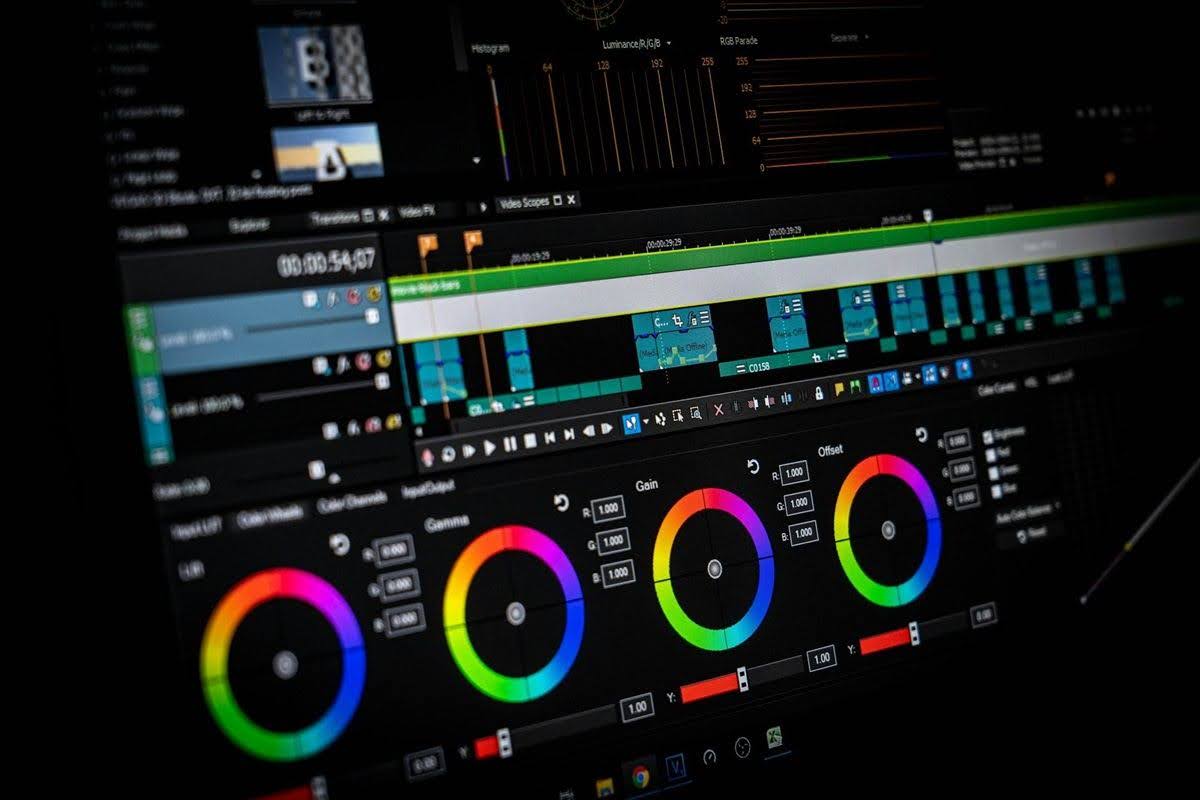
Separating speakers early allows editors to work with audio the same way they work with text or video layers. Each voice becomes its own component that can be adjusted, muted, or enhanced without affecting the rest of the recording.
This shift changes the editing mindset. Instead of fixing problems after they appear, editors start with a clearer foundation.
Why Speaker Separation Improves More Than Editing
While speaker separation is often associated with editing, its benefits extend far beyond that stage.
Once speakers are separated:
- Transcripts become easier to read and verify
- Quotes can be attributed accurately
- Highlights and clips are faster to create
- Collaboration between editors and writers improves
For teams repurposing audio into articles, newsletters, or social content, this clarity saves hours of review time.
Speaker separation also improves accessibility. Clear transcripts and captions help audiences engage with content in different ways, expanding reach without extra production effort.
The Role of AI in Making This Practical
In the past, separating speakers required advanced tools and manual effort. Editors had to listen carefully, split tracks by hand, and label each section themselves. This process worked, but it did not scale.
Recent advances in AI have made speaker identification far more efficient. Machine learning models can now analyze audio characteristics such as pitch, cadence, and timing to distinguish between voices automatically.
This has led to the rise of browser-based tools that handle speaker separation without requiring technical expertise. Users can upload recordings and receive organized outputs in minutes.
One example is SpeakerSplit, which is used to automatically split multi-speaker recordings into individual tracks. By handling speaker detection at the start of the workflow, tools like this remove a significant amount of manual labor from the process.
Supporting Faster Content Pipelines
For creators and teams producing content regularly, speed matters. Publishing delays often happen not because ideas are lacking, but because production workflows become too heavy.
Speaker separation supports faster pipelines by simplifying downstream tasks. Editors spend less time cleaning audio. Writers spend less time correcting transcripts. Review cycles shorten because content is clearer from the beginning.
This efficiency compounds over time. Teams that adopt structured audio workflows can produce more content without increasing workload.
A Better Fit for Remote and Hybrid Work
Remote recordings introduce additional challenges. Participants use different microphones, environments, and connection qualities. These inconsistencies are difficult to address when all audio is merged into one track.
Separating speakers allows teams to handle each voice individually. One participant’s background noise can be reduced without affecting others. Volume differences can be corrected precisely.
This makes recorded meetings and interviews more useful as long-term resources, not just one-time playback files.
From Technical Cleanup to Editorial Control
Perhaps the most important benefit of speaker separation is the shift it creates in how teams approach audio. Instead of spending time on technical cleanup, they gain editorial control.
Editors can focus on pacing, clarity, and message. Writers can extract insights more easily. Content strategists can repurpose recordings into multiple formats without friction.
This aligns audio workflows more closely with how other content types are handled. Structure comes first, refinement follows.
Speaker Separation as a Standard Practice
As audio continues to grow as a primary communication medium, expectations around clarity and usability will increase. Workflows that rely on manual fixes will struggle to keep up.
Speaker separation is no longer a niche feature for audio specialists. It is becoming a standard practice for anyone working with multi-speaker recordings at scale.
By organizing audio before editing begins, creators and teams set themselves up for smoother production, clearer content, and more sustainable publishing habits.