Why Classic Card Games Still Feel at Home in the Digital Age

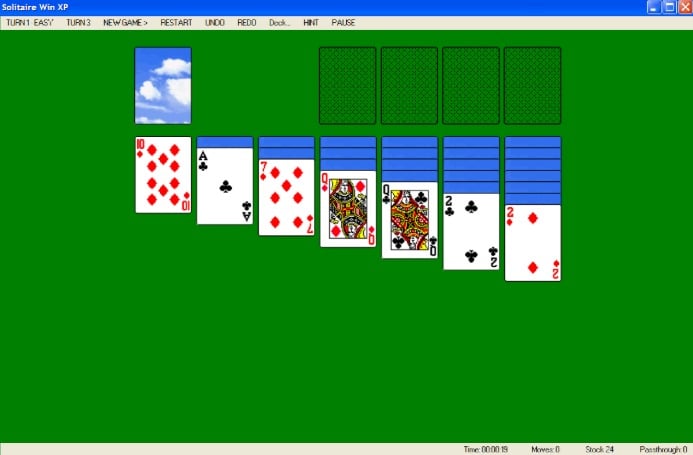
Gaming technology has changed dramatically over the past two decades. Today, players have access to massive open-world adventures, competitive multiplayer games, cloud gaming platforms, and highly realistic graphics. Yet some of the most memorable computer games remain surprisingly simple. Classic card games, especially Solitaire, continue to attract players because they offer something modern games sometimes overlook: easy access, familiar rules, and relaxing gameplay.
For many people who regularly used computers during the 2000s, Solitaire was one of the first games they played on a PC. There was no complicated installation process, online account, or lengthy tutorial. Players could simply open the game, shuffle the virtual deck, and begin playing.
That simplicity became part of its appeal.
A Game Connected to Early Computer Memories
Solitaire became closely associated with the everyday computer experience. People played it during work breaks, at home after school, or simply while learning how to use a mouse and navigate a desktop computer.
Unlike action games, Solitaire did not require fast reflexes or expensive hardware. Instead, players had to think about card placement, available moves, and how to uncover hidden cards. Each game presented a small puzzle that could be completed in a few minutes or continued for longer depending on the layout.
Modern browser-based gaming has made this classic experience even easier to revisit. Players looking for that familiar card-game atmosphere can Learn more and experience Solitaire directly through a modern web browser.
Why Solitaire Still Works Today
One reason Solitaire has remained relevant is that its core gameplay does not depend on graphics or advanced technology. The challenge comes from organizing cards, planning moves, and deciding which cards should be moved first.
This makes the game easy to understand but surprisingly engaging.
There is also very little commitment required. A player does not need to join a multiplayer lobby, complete a long campaign, or spend hours learning game mechanics. Solitaire can be played for five minutes during a break or for much longer when someone wants to relax.
That flexibility fits particularly well with modern digital habits.
Nostalgia Meets Modern Web Gaming
Browser technology has given older games a new life. Games that people once associated with desktop computers can now be accessed from laptops, tablets, and other connected devices without relying on old operating systems.
For players who remember the computer games of the 2000s, returning to Solitaire can feel like opening a small piece of digital history. The cards, familiar rules, and methodical gameplay provide a strong sense of nostalgia while still functioning perfectly as a casual game today.
At the same time, younger players can discover why such a simple card game became so widely recognized.
Classic Games Do Not Need to Disappear
The gaming industry will continue moving toward better graphics, artificial intelligence, virtual worlds, and increasingly advanced technology. However, technological progress does not automatically make older games irrelevant.
Sometimes the best games are the ones that require almost no explanation.
Solitaire demonstrates how strong gameplay can survive generations of technological change. Whether someone plays it because of nostalgia, relaxation, or the challenge of completing another deck, the classic card game remains a reminder that enjoyable gaming does not always need to be complicated.
Penguin Solitaire: A Strategic Online Card Game
Card games are a simple way to relax while also keeping the mind active, and Penguin Solitaire offers a refreshing twist on traditional solitaire. This open-information card game gives players a clear view of the cards from the beginning, making each move a matter of planning, strategy, and careful decision-making.
The game uses a standard 52-card deck arranged into seven tableau columns. Unlike many familiar solitaire variations, the cards are built downward by suit rather than by alternating colors. The first card dealt is known as the “Beak,” and its rank determines where the four foundation piles begin. Players must gradually move cards to the foundations while working through the full sequence, including the wraparound from King to Ace.
One of the most useful features is the seven-card Flipper area, which provides temporary storage when a card needs to be moved out of the way. However, these spaces should be used carefully because filling them too quickly can limit future moves. Empty tableau columns can also be valuable for reorganizing cards, although only a specific rank can be placed into an empty column.
For anyone looking for a convenient browser-based card game, Penguin provides several practical features. Players can start a new game without downloading software, use the Undo option to reverse moves, and access hints when they need assistance. Statistics can also help players keep track of their progress and winning streaks. The game supports desktop and mobile play, making it easy to enjoy a quick challenge from different devices.
Overall, Penguin Solitaire combines the familiar appeal of classic solitaire with a more strategic, open-information format. It is a good choice for players who enjoy thinking several moves ahead and solving card puzzles at their own pace.