Introduction
Milos is a Greek island renowned for its dramatic coastline, volcanic landscapes, and secluded beaches. While many travelers explore the island by car or on foot, the full scope of Milos’ natural beauty is best revealed from the water. A day spent at sea offers access to hidden coves, striking cliffs, and crystal-clear waters that are often unreachable by land. The combination of scenic variety, flexibility, and immersive experiences makes boat exploration an unparalleled way to discover the island.
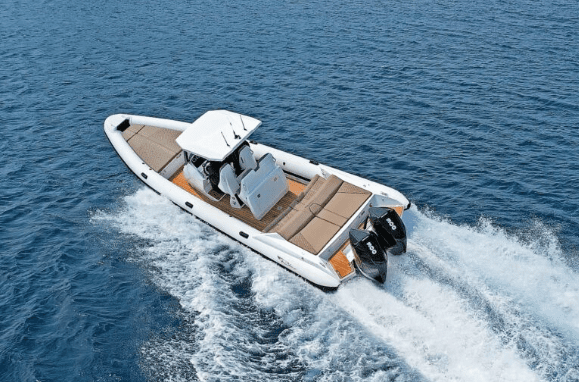
Private boat hire services operating from Pollonia Bay provide travelers with the opportunity to craft a personalized itinerary. Guests can choose to navigate independently if licensed or rely on knowledgeable skippers who understand local conditions and optimal routes. This flexibility allows visitors to focus on their interests, whether swimming, snorkeling, sightseeing, or photography. Boats are equipped for comfort, with shaded areas, storage, and amenities that enhance the experience.
Planning a sea-based adventure also allows for careful consideration of timing. Morning departures take advantage of calm waters, midday stops encourage swimming and relaxation, and afternoon exploration offers ideal lighting for photography. Travelers can tailor the day to match both their energy levels and their interests.
Accessing Milos by boat also provides a perspective that highlights the island’s geological diversity. Volcanic cliffs, rock formations, and colorful beaches reveal a landscape shaped by millennia of natural processes. Approaching these features from the sea emphasizes scale and detail, providing an immersive encounter with Milos’ unique environment.
Ultimately, sea-based exploration transforms a simple visit into a full sensory experience. Water, light, and coastal textures combine to create a journey that feels both adventurous and restorative. For those seeking to understand Milos fully, a day on the water offers unrivaled freedom and discovery.
How the Island’s Coastline Shapes the Experience
Milos’ coastline is one of the island’s defining characteristics, shaping the way travelers experience the island. The shore is irregular and dramatic, with deep bays, steep cliffs, and volcanic formations creating a variety of landscapes. By boat, these features can be appreciated in a continuous journey, as each turn or inlet offers a new visual composition. Land-based travel, by contrast, often limits views to specific vantage points, missing the interplay of water, light, and geology.
The coastline is also highly varied in terms of accessibility. Some coves are hidden behind cliffs or are located far from roads. Boats allow travelers to reach these secluded locations effortlessly. Accessing these areas enhances privacy and provides opportunities for swimming, snorkeling, or simply enjoying untouched scenery.
Navigating along the coast also reveals the scale of Milos’ formations. White pumice cliffs, jagged lava rocks, and colorful sediment layers all become more striking from the water. Boats allow passengers to approach at a measured pace, giving time to observe textures, shadow, and reflections. This perspective conveys the island’s volcanic history in a tangible way, making geology an interactive part of the experience.
The shape of the coastline also influences trip planning. Travelers can choose routes that maximize calm waters for swimming or explore more exposed areas for dramatic scenery. Skippers and experienced guides help determine which segments suit the day’s conditions and the passengers’ interests. Proper planning ensures a smooth, enjoyable, and safe journey.
Finally, the coastline fosters a sense of discovery. Hidden beaches, sea caves, and natural arches remain unseen from land but become focal points from the boat. The journey itself becomes as compelling as the destinations, highlighting why a water-based exploration is an essential way to understand Milos.
Accessing Secluded Spots Away from Crowds
One of the primary advantages of exploring Milos by boat is the ability to reach secluded locations. Many of the island’s most beautiful beaches, coves, and rock formations are not accessible by road or footpaths. Boats offer direct entry, allowing travelers to experience areas that remain untouched by large crowds. This exclusivity enhances both the comfort and the quality of the visit.
Remote anchorages are ideal for swimming and snorkeling. Clear waters and sheltered conditions create safe and enjoyable environments. Passengers can spend extended periods in these areas without concern for crowded conditions or limited space. These spots often reveal marine life and underwater formations that would go unnoticed at busier beaches.
Seclusion also provides opportunities for private moments. Families, couples, or small groups can enjoy tranquility on deck or in the water. The privacy of these locations allows for more relaxed exploration, photography, and leisurely activities. Travelers can pause, swim, or sunbathe at their own pace.
Accessing these areas requires local knowledge. Experienced skippers are familiar with tides, currents, and safe approaches to hidden coves. Following their guidance ensures safe navigation and prevents environmental disruption. This expertise allows travelers to experience the island fully without compromising safety or ecological responsibility.
Ultimately, secluded spots offer both discovery and reflection. The combination of isolation, natural beauty, and calm waters creates experiences that are rare and memorable. By including hidden coves and remote beaches in an itinerary, visitors gain a deeper appreciation for Milos and the advantages of exploring it by sea.
Comparing Coastal Road Trips vs Sea Routes
Traveling along Milos by road offers convenience and access to villages and inland attractions, but it cannot replicate the experience of navigating the coastline by boat. Roads often follow indirect routes, limiting both the perspective and the sense of continuity along the shore. Boats provide uninterrupted views of cliffs, beaches, and coves, revealing details that are hidden from land-based travelers. The ability to approach formations directly allows for immersive experiences that combine visual, sensory, and recreational elements.
Coastal road trips are excellent for exploring towns, cultural landmarks, and tavernas. They facilitate quick stops and provide logistical ease for travelers carrying luggage or supplies. However, road access often excludes smaller beaches and secluded spots, which are the highlights of a sea-based itinerary. Boats bridge this gap by allowing passengers to reach locations inaccessible on foot or by vehicle.
Another key difference is pacing. On a road trip, travelers are constrained by traffic, parking, and designated stops. Sea travel enables flexible scheduling, allowing for extended pauses at swimming areas or photographic opportunities. Travelers can adjust speed, route, and stop duration to match energy levels, sunlight, or tidal conditions. This freedom creates a personalized experience tailored to individual preferences.
Safety considerations also differ. Roads can present navigation challenges, particularly on narrow, winding routes, while boats require attention to currents, wind, and anchoring. Knowledgeable skippers manage these variables to maintain comfort and security.
Ultimately, exploring Milos by sea complements land travel rather than replacing it. Coastal roads allow access to cultural highlights, while boats provide the freedom to experience natural features at a personal pace. Combining both approaches offers a comprehensive understanding of the island’s character, making a day on the water an essential complement to inland exploration.
Ideal Boat Sizes for Different Group Types
Selecting the appropriate boat size is critical for comfort, safety, and overall enjoyment during a day at sea around Milos. Small groups or couples benefit from compact vessels that are easier to maneuver and anchor in secluded areas. These boats provide sufficient seating and storage while remaining efficient in fuel consumption and navigation. The intimate size also fosters a closer connection to the surrounding environment, emphasizing privacy and personalization. Travelers looking for guidance on boat rentals Milos can rely on local operators to recommend the best options for group size and activity preferences.
Medium-sized boats accommodate families or groups of six to ten passengers. These vessels often feature multiple seating arrangements, shaded areas, and enhanced storage compartments. They balance comfort with versatility, allowing guests to carry refreshments, snorkeling gear, and photography equipment. Stability and space on medium boats make them ideal for combining relaxation with active exploration.
Larger groups or events require bigger vessels with expanded deck space and additional amenities. These boats offer multiple zones for seating, sunbathing, and dining. Onboard features may include refrigeration, freshwater showers, and even bathrooms, which enhance the full-day experience. Adequate space ensures that all passengers can move freely without crowding or discomfort.
Choosing the right boat also depends on intended activities. Travelers focusing on snorkeling or swimming may prefer smaller boats that allow easy water access, while photography enthusiasts might value stability and viewing platforms provided by larger vessels. Skippers and rental operators can advise on optimal sizes for both comfort and safety.
Ultimately, boat selection should align with the group’s size, interests, and planned itinerary. Properly matching the vessel to the passengers ensures an enjoyable, efficient, and memorable day at sea. Comfort, accessibility, and functionality are all enhanced when the right boat size is chosen for the experience.
Best Swimming Areas Around the Island
Milos is renowned for its clear waters and diverse coastal formations, making swimming a highlight of any sea-based exploration. Certain areas of the island offer sheltered bays ideal for calm water activities, while others present deeper waters suitable for diving or snorkeling. Accessing these locations by boat allows travelers to enjoy optimal conditions for swimming without navigating crowded shorelines.
Popular swimming spots include beaches with sandy entry points and gentle slopes, which are ideal for families and less experienced swimmers. Hidden coves often provide calm water and excellent visibility for observing marine life. Boats can anchor nearby, enabling quick and safe water access. These stops offer opportunities for both relaxation and active swimming without the limitations of public access.
Sea caves and rocky inlets add variety to the swimming experience. Entering from the water provides a perspective impossible from land. Calm mid-day conditions enhance safety while highlighting the clarity of the sea. Travelers can explore multiple locations in a single day, alternating between open-water swims and sheltered areas.
Safety considerations remain paramount. Proper anchoring and maintaining awareness of the boat’s position prevent accidents. Life jackets or flotation devices are recommended for less confident swimmers. Skippers ensure safe access and provide guidance on the best entry points, currents, and water depth.
Choosing ideal swimming areas enhances the overall experience of Milos. The combination of secluded bays, clear water, and natural scenery transforms each stop into a memorable interlude. Swimming becomes more than an activity; it is an opportunity to immerse fully in the island’s unique coastal environment.
Photography Opportunities from the Water
The unique vantage points offered by a boat create exceptional photography opportunities around Milos. Approaching cliffs, coves, and beaches from the sea provides angles and perspectives unavailable from land. Photographers can capture the scale of volcanic formations, the texture of cliffs, and the interplay of sunlight on water. The dynamic environment encourages experimentation with composition, reflections, and lighting.
Morning and late-afternoon light are particularly favorable for photography. Soft illumination enhances shadows and highlights on cliffs, revealing subtle colors in volcanic rocks. Calm sea surfaces produce reflections that add depth to images. Passengers can move to different positions on the boat to find the optimal angle for each shot.
Marine life and underwater visibility also enhance photographic potential. Anchoring in clear, shallow waters allows swimmers and snorkelers to capture images of fish, seabeds, and submerged formations. These underwater scenes complement above-water photography, creating a diverse portfolio of experiences. Equipment such as waterproof cameras or drones may expand possibilities while maintaining safety.
Flexibility is another advantage. Unlike land-based photography constrained by fixed paths and roads, boats allow spontaneous stops at visually striking locations. Passengers can adjust timing to coincide with ideal light or tide conditions. Experienced skippers guide access to locations that maximize photographic potential while ensuring safety and environmental respect.
Photography from the water transforms the journey into a visual exploration. Travelers capture not only scenery but the essence of Milos’ coastline, light, and marine environment. Each image reflects the interaction of land, sea, and sunlight, documenting experiences that are otherwise inaccessible. Incorporating photography into the itinerary enriches both memory and understanding of the island.
Environmental Respect While Exploring by Boat
Respecting the environment is a central component of a responsible boating experience around Milos. The island’s coastline is home to delicate ecosystems, including rocky reefs, underwater flora, and diverse marine life, all of which can be easily disrupted by careless behavior or improper anchoring. Passengers and skippers alike share responsibility for preserving these areas while still enjoying the unparalleled access that a boat provides. Understanding and following environmental best practices ensures that Milos’ natural beauty is maintained for future visitors and protects the habitats that make the island unique. Being aware of one’s impact is as important as choosing the right route or vessel for the day.
Proper anchoring is one of the most effective ways to minimize environmental impact. Anchoring directly on reefs, sea grass beds, or fragile seabeds can damage marine habitats and disturb wildlife. Knowledgeable skippers are trained to select safe, designated anchor points that provide stability while avoiding sensitive areas. Passengers must follow guidance when entering or exiting the water, particularly in regions with fragile rock formations or coral-like structures. Even minor missteps, such as jumping or standing on underwater vegetation, can have lasting consequences.
Waste management is another critical factor. All trash, including plastics, packaging, and food waste, should remain onboard until proper disposal can occur onshore. Boats should be equipped with bins or compartments to keep waste secure and prevent accidental spillage. Even biodegradable materials, such as fruit peels or paper, can affect water quality and marine life if discarded improperly. By adhering to strict waste protocols, passengers maintain the health of the marine environment while enhancing the safety and cleanliness of the vessel itself.
Behavior in and around the water is equally important. Swimmers and snorkelers should avoid touching rocks, coral, or marine creatures, and always maintain a respectful distance from animals. Educating passengers on local ecosystems fosters awareness and encourages responsible practices. Simple actions, like refraining from chasing fish or disturbing seabeds, significantly reduce human impact.
Combining enjoyment with environmental stewardship ensures a sustainable experience. Travelers who follow these guidelines contribute directly to the long-term preservation of Milos’ coastal regions. Observing proper anchoring, waste management, and mindful water behavior transforms a pleasurable boat trip into an ethical, memorable, and environmentally conscious adventure. Visitors leave with not only vivid memories but also the knowledge that they have helped maintain the island’s pristine natural conditions for years to come.
Seasonal Differences in Sea Conditions
The time of year significantly influences sea conditions around Milos, shaping both the safety and enjoyment of boat-based exploration. Each season brings unique weather patterns, water temperatures, and wind behaviors that directly affect navigation, swimming, and other activities. Summer typically offers calm waters, consistent winds, and warm air and sea temperatures, making it the most popular period for visitors. These conditions are ideal for swimming, snorkeling, and long stops in sheltered coves, as the predictable weather allows passengers to plan extended exploration. High summer also coincides with peak daylight, giving travelers ample time to explore multiple coastal locations in a single day.
Spring and early autumn present a quieter alternative with fewer crowds, creating a more secluded and relaxed experience. Winds can be more variable during these seasons, and water temperatures may be slightly cooler than in the summer. Travelers need to pay closer attention to weather forecasts and be prepared to adjust routes accordingly. Despite the occasional swell, reduced tourist traffic often makes hidden beaches and remote bays feel almost private. These conditions encourage slower cruising, more deliberate photography, and extended time at each stop, allowing for a richer and more personal connection with the island.
Winter brings a different set of challenges, including stronger winds, rougher seas, and shorter daylight hours. Long excursions may be limited, and safety becomes a higher priority, leading some rental operators to reduce services or restrict certain routes. Nevertheless, adventurous visitors can experience the dramatic, rugged beauty of Milos under winter conditions. The raw, untamed landscapes, combined with storm-driven waves and moody skies, offer photography and sightseeing opportunities that are impossible during the calmer months.
Water clarity and marine life activity also fluctuate seasonally. During summer, sunlight and calm seas create crystal-clear waters ideal for snorkeling and swimming. In spring, visibility is generally high, but occasional swells may slightly affect the experience. Understanding seasonal differences allows travelers to tailor activities to their preferences, whether they prioritize calm water for swimming, optimal conditions for photography, or scenic coastal cruising. Experienced skippers adjust routes, stops, and timing according to seasonal patterns to maximize comfort and safety. By considering these differences, passengers can ensure a smooth, rewarding, and fully immersive day at sea.
Who Should Consider a Sea-Based Exploration
Sea-based exploration around Milos is ideally suited for travelers seeking an immersive, flexible, and private experience of the island. Visitors who value calm, secluded settings and the freedom to explore hidden coves and beaches will find boat excursions particularly rewarding. Families, couples, or small groups benefit from private or semi-private vessels tailored to their size, ensuring comfort, safety, and a personal connection with the environment. Unlike crowded beaches or scheduled tours, private sea exploration allows each participant to move at their own pace and create a personalized itinerary. The freedom to stop where and when desired adds a unique dimension to any visit.
Adventurous travelers, including swimmers, snorkelers, and photographers, gain special advantages. Many of the island’s most vibrant marine environments and secluded coastal features are inaccessible by land. Boats allow access to clear waters, underwater rock formations, and hidden bays that are ideal for swimming and snorkeling. Photography enthusiasts benefit from uninterrupted vantage points and the ability to follow changing light and water conditions, capturing moments that would be impossible from shore.
Even those with limited boating experience can enjoy the benefits of sea exploration. Knowledgeable skippers provide guidance, safe anchoring, and expert navigation, while independent navigation is available for licensed operators. This combination of professional support and autonomy accommodates a wide range of skill levels and preferences. Passengers can enjoy security without sacrificing freedom, creating a relaxed and confident atmosphere onboard.
Travelers interested in geology or marine ecology will find the sea perspective invaluable. The coastline, cliffs, and volcanic formations reveal patterns and layers that are difficult to appreciate from land. Observing these features up close enhances understanding of the island’s natural history while providing context for its scenic beauty.
Ultimately, anyone seeking a blend of exploration, relaxation, and scenic immersion should consider a boat-based approach. Milos offers its most compelling features from the water, and a thoughtfully planned sea itinerary ensures full engagement with the island’s landscapes and marine environment. A well-executed day at sea creates lasting memories, blending adventure, observation, and tranquility into an unforgettable experience.
Conclusion
Exploring Milos by boat offers an unparalleled perspective of the island’s coastline, geology, and hidden beaches. Water-based travel provides access to secluded areas that are otherwise difficult or impossible to reach, offering flexible itineraries and immersive experiences not achievable from land. Each journey combines sightseeing, swimming, snorkeling, photography, and relaxation into a seamless and engaging day. The combination of careful planning, knowledgeable guidance, and appropriate vessel selection ensures that passengers experience both comfort and safety while fully engaging with the island’s natural beauty.
Private boat hire services from Pollonia Bay provide options for guided tours with experienced skippers or independent navigation for licensed operators. Skippers bring expertise in route selection, weather monitoring, anchoring techniques, and ecological stewardship. This allows passengers to focus entirely on discovery, with minimal logistical concerns. Modern vessels are well-equipped with seating, shade, storage, and amenities to facilitate extended exploration without compromising comfort. The design of the boats ensures that even full-day excursions remain enjoyable and practical for all participants.
Effective planning is essential to maximize enjoyment. Choosing the right route, managing fuel, and timing stops strategically influence both safety and overall satisfaction. Travelers can adjust their itinerary according to sea conditions, weather changes, or personal preferences, making each journey highly adaptable. Including periods of swimming, snorkeling, and photography enhances the connection to the island, creating a multi-layered experience rather than a simple sightseeing trip.
Environmental respect is a core part of responsible sea exploration. Proper anchoring, conscientious waste management, and mindful interaction with marine life help maintain Milos’ delicate ecosystems. Responsible practices ensure that the island remains pristine for future visitors while allowing current travelers to enjoy its natural beauty fully.
Ultimately, sea-based exploration transforms a visit into a holistic and memorable encounter with Milos. The combination of visual beauty, physical activity, and flexible planning results in a meaningful and unforgettable journey. Access to secluded areas, unique photography perspectives, and immersive swimming opportunities creates a richer understanding of the island. A thoughtfully executed day at sea leaves visitors with vivid memories, enhanced appreciation for the natural environment, and an experience that cannot be replicated on land.