
Why a Mini Excavator Outperforms Hand Digging on Small Sites

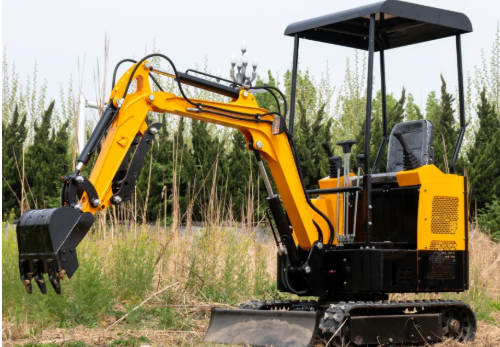
Small excavation jobs have a way of eating whole weekends. A twenty-meter trench for a garden irrigation line looks like an afternoon of shoveling on paper, but by hour three the crew is negotiating rocks, tree roots, and a soil profile that hardened overnight. The economics only get worse on paying jobs, where labor hours pile up faster than progress. That is where a compact machine changes the picture entirely.
This article is written for landscapers taking on residential hardscape work, small building contractors expanding into groundworks, and rental fleet operators fielding weekend inquiries from ambitious homeowners. The focus is practical: what tasks a mini excavator handles well, which attachments genuinely earn their place on the trailer, and how to think about tail swing, transport, and running costs without getting sold a machine that is too big for the driveways it needs to enter. By the end, choosing between hand digging and mechanical excavation will feel like a clear calculation instead of a guess.
Where Compact Excavators Actually Save the Day
The tasks that reward mechanical excavation are the ones that combine repetitive digging with load-carrying. Trenching for drainage, water mains, or electrical conduit falls squarely into this category, as does foundation prep for garden rooms, small extensions, and retaining walls. A skilled operator with a compact mini excavator can complete in a morning what a two-person shovel team would spread across two days, and the trench walls come out cleaner and more consistent for the crew that follows.
Landscaping and Hardscape Projects
Water features, patio bases, and tree removal are natural fits. The bucket removes topsoil in controlled layers, the thumb attachment picks up rocks that would otherwise need to be rolled or pried, and the blade at the front of the machine backfills without the operator ever leaving the seat. On sloped gardens, tracked undercarriages hold traction where a wheeled machine would slip, and the low ground pressure keeps lawn damage to a minimum.
Utility Trenching and Repair
Utility work rewards precision more than raw power. A narrow trenching bucket, typically between 200 and 400 millimeters wide, produces clean vertical walls that meet code without over-excavating. That matters on repair jobs, where the goal is to reach a broken pipe without disturbing surrounding surfaces or nearby services. Careful operators mark existing utilities before starting and dig the final centimeters by hand once the machine is close to the target depth.
Choosing the Right Size Class
Mini excavators typically span from about one to six tons in operating weight, and the difference between the smallest and largest is not just power but access. A one-ton machine passes through a standard garden gate, which opens up backyard work that no larger machine can reach. Three-ton units strike a balance for most residential contractors, offering usable digging depth and lift capacity while still fitting on a small trailer behind a work truck.
Tail Swing Considerations
Zero tail swing and reduced tail swing models keep the counterweight within the width of the tracks, which lets the machine work along walls, fences, and parked vehicles without swinging into them. Conventional tail swing machines are usually cheaper and slightly more stable when digging at full reach, but the extra care they demand near obstacles quickly cancels out the savings on tight urban sites.
Transport and Site Access
Weigh the machine against your existing trailer and towing vehicle before falling in love with a spec sheet. A machine that requires a plant trailer and a truck upgrade shifts the total cost of ownership significantly. For crews already running a light commercial vehicle, staying under the three-ton mark usually keeps the transport setup practical and legal without special licensing.
Attachments That Multiply the Machine
The bucket that comes on the machine is only the starting point. Hydraulic breakers turn the excavator into a demolition tool for concrete slabs and stubborn boulders. Augers drill fence-post and deck-footing holes at a fraction of manual time. Grading buckets clean up finished trench bottoms and shape drainage falls. Compaction plate attachments finish the very trench the machine just dug, which saves loading and unloading a separate compactor for the same job.
Quick Couplers and Downtime
A quick coupler that lets the operator swap attachments from the seat pays for itself within the first month of active work. Manual pin-changes waste ten to fifteen minutes each swap, and on a job with three or four attachment changes, that adds up to nearly an hour of billable time. When comparing machines from suppliers like MMS INDUSTRIAL, ask about coupler compatibility with common attachment brands so the fleet does not get locked into a single vendor.
Operating Costs and Running the Numbers
Fuel burn on a mini excavator is modest compared with larger construction machinery, typically two to four liters an hour depending on load. The bigger cost drivers are hydraulic oil changes, track wear, and cutting-edge replacement on buckets. Rubber tracks last around fifteen hundred hours under mixed conditions, and replacing them proactively is cheaper than replacing an idler that failed because a torn track was allowed to run too long.
Renting Before Buying
For contractors adding excavation to an existing service list, renting for the first season is a sound way to test which size class actually fits the work coming in. Log every job, note the digging depth and reach used, and only commit to a purchase once the utilization rate justifies it. Buying a machine that sits on the trailer three days a week is a hidden loss that shows up in year-end numbers, not daily invoices.
Turning Small Excavation Into Predictable Work
A compact excavator is not simply a smaller version of a full-size machine. It is a category built around access, precision, and low disturbance, and those traits reward operators who plan the job before turning the key. Match the size class to the tightest access point, invest in the two or three attachments that map to your recurring work, and track running costs from the first month. Do that consistently, and small excavation stops being the unpredictable part of the schedule and becomes the segment where margins are widest and callbacks are rare. The machine is a tool, but the discipline around choosing and operating it is what turns groundworks into a repeatable line of business.







Comment