- Commissions aren’t the full story: Many futures brokers advertise low per-contract fees, but total trading costs often include platform subscriptions, market data, and exchange fees.
- Fixed monthly fees add up: Platform fees can range from $99 to $1,000+ per month, with real-time market data adding $40 or more, regardless of trading activity.
- Transparency matters: Hidden or conditional fees can outweigh commission savings, especially for moderate-volume traders.
Plus500 Futures simplifies pricing:
- $0.49 per micro contract (per side)
- $0.89 per standard contract (per side)
- $0 platform fees
- $0 market data fees
Predictable costs, any volume: Plus500’s all-inclusive model removes subscription uncertainty and keeps trading costs consistent.
Understanding Total Cost of Trading
The U.S. futures brokerage market offers a wide range of platforms, pricing models, and trading tools. While many brokers promote low per-contract commissions, industry research shows that commissions are often only one part of the overall cost equation.
In practice, traders may also encounter:
- Monthly platform subscription fees
- Market data and exchange fees
- Additional charges tied to premium tools or advanced access
At some established brokers, platform fees can range from $99 to over $1,000 per month, with real-time market data adding $40 or more in recurring costs. For many traders, these fixed fees can significantly outweigh any savings from lower advertised commissions.

A Transparent Pricing Approach
Plus500 Futures takes a simplified, transparent approach to pricing:
- $0.49 per micro contract (per side)
- $0.89 per standard contract (per side)
- $0 platform fees
- $0 market data fees
This all-inclusive structure removes the uncertainty often associated with futures trading costs. Traders do not need to calculate whether their monthly volume justifies platform subscriptions or data packages; the pricing remains consistent regardless of activity level.
By comparison, a trader placing 20 standard contracts per month would pay approximately $17.80 in commissions with Plus500 Futures. On subscription-based platforms, even lower per-contract rates may be offset by monthly fees of $99 or more, making them less cost-effective for moderate-volume traders.
Start Trading Futures
Platform Accessibility and Trading Experience
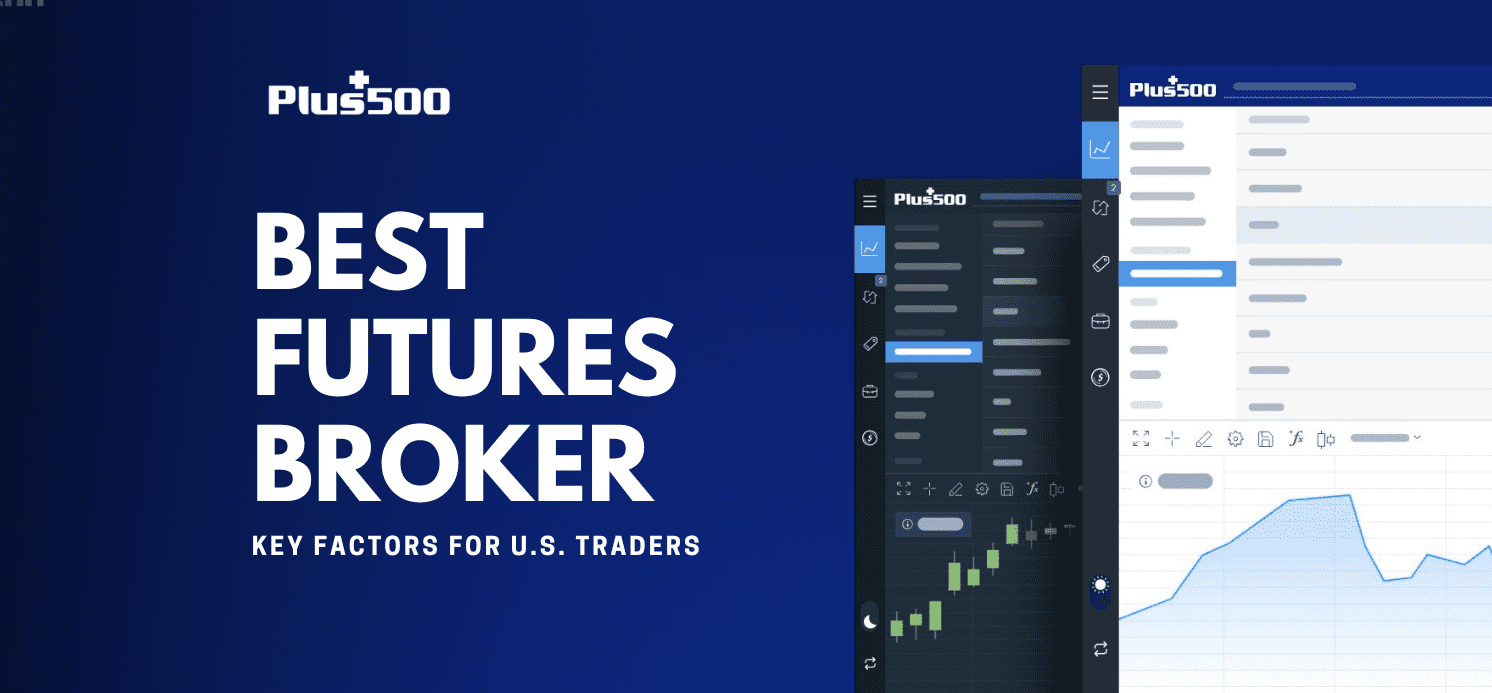
Today’s traders expect flexibility. Web-based trading platforms allow users to monitor markets, manage positions, and execute trades from any device with internet access, without installing additional software.
Some traditional brokers still rely heavily on desktop-only platforms or offer limited mobile functionality. This can restrict accessibility for traders who value mobility, multi-device access, or the ability to react quickly while away from their primary workstation.
Regulation, Security, and Peace of Mind
All U.S. futures brokers must comply with strict regulatory requirements. Reputable firms are registered with the Commodity Futures Trading Commission (CFTC) and are members of the National Futures Association (NFA).
Plus500 Futures operates under these regulatory standards and maintains segregated client accounts, alongside robust security protocols, providing traders with confidence in both operational integrity and account protection.
Open a Plus500 Futures Account
How to Evaluate a Futures Broker
When comparing futures brokers, U.S. traders should assess more than headline pricing. Key factors include:
- Total trading costs: Commissions, platform fees, and market data combined
- Pricing transparency: Clear, predictable fee structures with no hidden charges
- Platform accessibility: Web and mobile functionality across devices
- Market access: Availability of desired futures contracts and trading hours
- Regulatory standing: Proper registration and investor protection measures
Conclusion
There is no universal answer to the question, “Who is the best futures broker?” The right choice depends on trading style, volume, and cost sensitivity.
For traders who value fee transparency, predictable costs, and platform accessibility, brokers with all-inclusive pricing models can offer a compelling alternative to subscription-based platforms. High-volume traders may still benefit from ultra-low commission structures, even when additional fees apply.
Ultimately, conducting a comprehensive cost analysis—based on real trading behavior rather than advertised rates, remains the most effective way to identify the best futures broker for individual needs.
Trade Now
Trading in futures involves the risk of loss and is not suitable for every investor.
Frequently Asked Questions
What are the typical commission rates for futures trading?
Futures commission rates range from $0.25 to $1.50 per contract per side, with micro contracts generally commanding lower fees than standard contracts.
Do all futures brokers charge platform fees?
No. Some brokers include platform access in their commission structure, whilst others charge separate monthly subscriptions ranging from $99 to $1,499 for premium access.
What are market data fees?
Market data fees provide access to real-time price information from exchanges. These charges vary by exchange and data package, potentially adding $20 or more to trading costs monthly at certain brokers.
How do I calculate my total trading costs?
Multiply your average monthly contract volume by the per-contract commission, then add any platform subscription fees, market data charges, and periodic account maintenance fees to determine total monthly expenses.