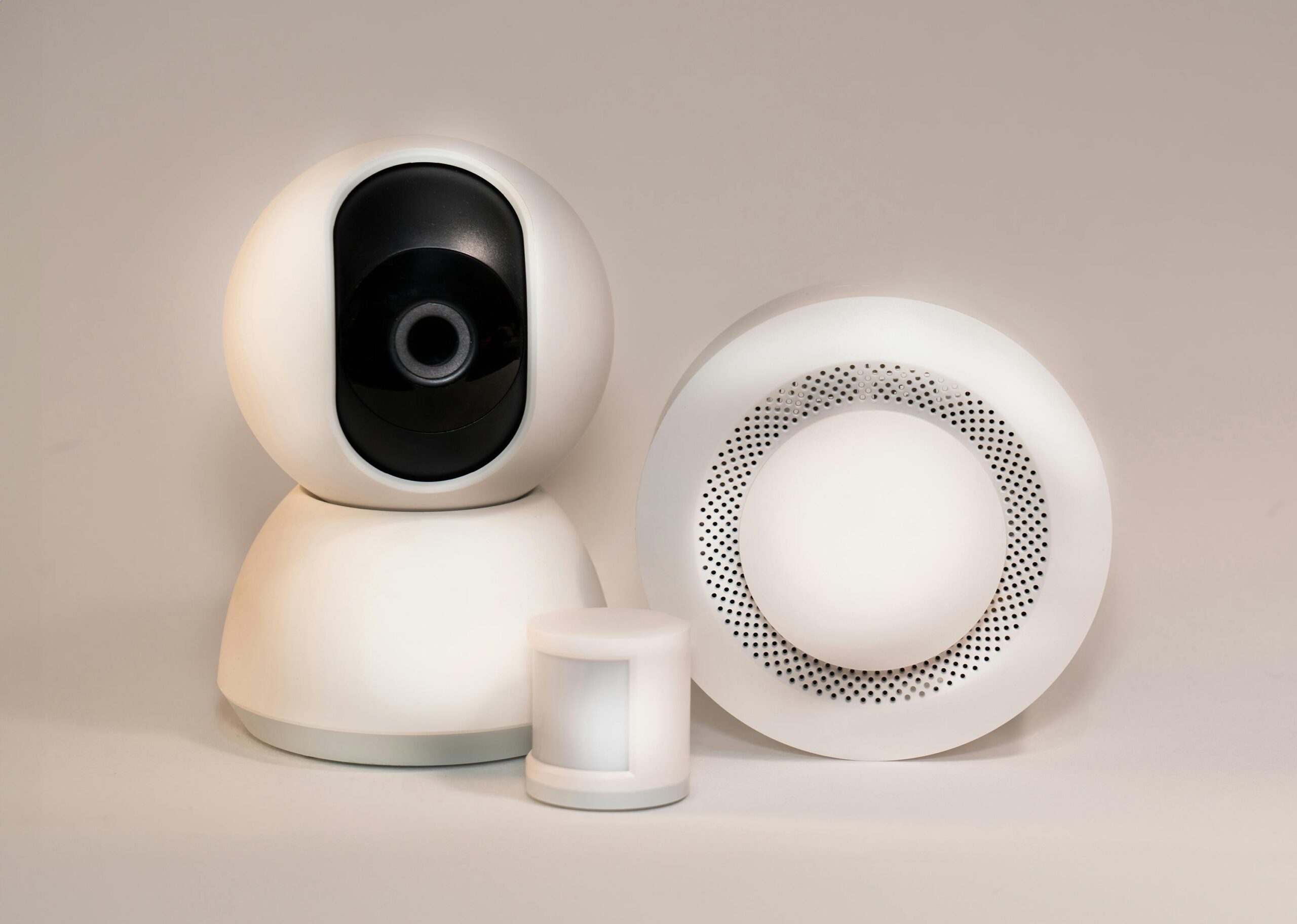
Choosing to install a home alarm system is one of the most effective steps you can take to protect your property, your belongings, and your personal safety. However, with so many burglar alarms, smart security systems, and monitoring options available, many homeowners understandably ask the same question: which intruder alarm system is best for your home?
The answer depends on your property type, budget, lifestyle, and security expectations. A detached house will have different requirements from a flat. Someone who travels often may prioritise professional monitoring, while others may prefer self-monitoring and lower ongoing costs.
This guide explains the main types of intruder alarms, how they work, what they cost, and which features matter most, helping you make informed decisions and take immediate action with confidence.
Understanding the Main Types of Intruder Alarm Systems
There are fundamentally three key types of home intruder alarms to choose from:
- Wired vs wireless systems
- Monitored vs bells-only alarm systems
- Do-it-yourself (DIY) installation or professional installation
Each of these decisions will have an impact on performance, cost, flexibility and long-term suitability.
Wired vs Wireless Alarm Systems
Wired Alarm Systems
A wired alarm system uses physical cabling to connect all the sensors and the central control panel to the siren. Wired alarm systems are steady and reliable and are often used in permanent installations.
Best suited for:
If you’ve got a new build home, a large detached house, or are renovating your home, wired alarm systems are the way to go.
Advantages
- Signal stability is extremely reliable
- No reliance on radio signals means you don’t have to worry about interference
- No need to replace batteries in the sensors
Considerations
- Professional installation is usually required
- The installation process can increase the overall cost
- Less flexibility for changes or upgrades
Wired systems provide excellent long-term reliability but are generally less convenient once installed.
Wireless Alarm Systems
A wireless alarm system uses encrypted radio signals to communicate between the sensors and the control panel. Wireless alarm systems are now the most popular type of home security system.
Best suited for:
Existing homes, rented properties, smaller homes or those who want flexibility are all good candidates for wireless alarm systems.
Advantages
- Fast and non-disruptive installation
- Ideal for DIY or a professional installation
- Easy to expand and upgrade with additional devices or smart home integration
- Compatible with smart home devices
Considerations
- Sensors require battery changes
- There’s a slight risk of interference, but this is minimised with good-quality equipment
Wireless systems are the number one choice for most home security setups due to their flexibility, smart features and competitive pricing.
Monitored vs Bells-Only Alarm Systems
Bells-Only Alarm (Unmonitored)
A bells-only alarm makes a loud siren sound (often louder than 100 dB) when it’s triggered, but does not contact a monitoring centre.
Best for:
If you’ve got a lower-risk home or are on a tight budget, a bells-only alarm is a good option.
Key points
- No monthly fees to pay
- You can get a bells-only alarm system for around £120.
- It relies on your neighbours coming to your aid, which isn’t always going to happen.
- No police response guaranteed
While bells-only alarms are a good deterrent, they don’t offer much reassurance when you are away from home.
Monitored Systems (Professional Monitoring)
A monitored system connects to a 24/7 monitoring centre, which will take action when it’s triggered.
Benefits
- Emergency services or keyholders contacted
- Faster response times
- Reduced false alarms through verification
- Often required for police response
Costs
- Monitoring fees range from £7.99 to £40 per month.
- Some services can be as high as £60 a month, depending on features.
- Initial equipment costs start at around £269 plus installation
Many insurers are now offering premium discounts for accredited monitored systems, especially those approved by bodies such as the National Security Inspectorate (NSI).
DIY vs Professional Installation
DIY Installation
DIY installation is popular due to affordability and control.
Advantages
- Starter kits can be had for under £200
- No mandatory contracts
- Self-monitoring options
- Easy upgrades and flexibility
DIY installation is perfect for tech-savvy homeowners who want control and a good price.
Professional Installation
Professional installation offers a hassle-free approach.
Advantages
- Expert assessment of your site
- Sensors are placed in the best possible locations
- Reduced risk of user error
- Good option for complex properties or those unfamiliar with technology
Professional installation is recommended for high-value homes or those who aren’t comfortable with technology.
Smart Alarm Systems and Smart Home Integration
Modern smart alarm systems do more than just detect intruders; they integrate with smart home security features.
Key Smart Features to Look For
- Smartphone app control
- Remote arming and disarming
- Push alerts for break-in events
- Integration with Google Home and Google Assistant
- Compatibility with smart locks and smart devices
Many systems also support smart home automation, enabling features like outdoor cameras that turn on when the alarm is armed.
Sensors and Security Equipment That Matter Most
An effective home alarm relies on the right combination of sensors and deterrents.
Core Components
- Door sensors and window contacts
- Motion sensors/motion detector units
- Loud siren (internal and external)
- Central panel / main control panel
Optional Enhancements
- Security camera units and indoor cameras
- Video doorbell integration, get real peace of mind
- Outdoor cameras and a full video surveillance package
- Add on Smoke alarms and environmental sensors to get the full picture
Quality equipment reduces false alarms and ensures reliable performance.
Costs: What Should You Expect to Pay?
Costs vary widely based on system type and features.
- Bells-only systems: from ~£120
- DIY wireless alarm kits: under £200
- Smart security systems: around £224 for smaller homes
- Professionally installed systems: £500–£1,000+
- Monthly monitoring: £7.99–£60
Some alarm companies offer financing options to spread equipment costs, but always factor in long-term subscription fees.
Choosing the Best System for Your Property Type
- Flats / smaller homes: Wireless, smart alarm, optional monitoring
- Detached houses: Monitored wireless or hybrid systems
- Frequent travellers: Professional monitoring strongly recommended
- Budget users: DIY wireless or bells-only alarm
Conducting a survey of vulnerable entry points helps determine the right system coverage.
So, Which Intruder Alarm System Is Best for Your Home?
There is no single “best” system for everyone, but there is a best system for your circumstances.
- Choose wireless systems for flexibility and modern smart features
- Choose monitored systems for maximum safety and police response support
- Choose DIY installation for affordability and transparency
- Choose professional installation for complex or high-risk properties
The most effective intruder alarm systems in 2026 prioritise installation style, monitoring options, smart home integration, and quality equipment.
Final Thoughts
Protecting your home is about more than buying an alarm; it is about choosing a security system that suits your lifestyle, property, and budget. With the right setup, you gain peace of mind, reduce risk, and ensure immediate action if a break-in occurs.