Homeowners often assume that improving safety means installing an expensive alarm system and calling it a day. In reality, the most effective home security upgrades are layered, practical, and designed to reduce the opportunity for crime while increasing peace of mind. Some upgrades focus on deterrence, others on detection, and a few on response. The biggest difference comes from choosing improvements that work together and fit your home, neighborhood, and lifestyle. Below is a breakdown of the home security upgrades that deliver the strongest impact, starting with the most influential and working down to smart enhancements that round out a complete system.
Reinforced Doors and Quality Locks
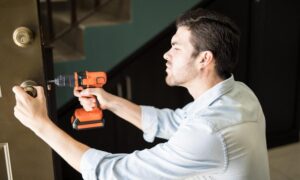
The front door is the most common entry point for burglars, and it is also one of the easiest places to improve security. Hollow core doors, weak frames, and low-grade locks make forced entry surprisingly easy. Upgrading to a solid core or steel door immediately raises the difficulty level for anyone attempting to break in. Pair that with a reinforced strike plate and longer screws that anchor into wall studs, and you dramatically reduce kick-in risk.
High-quality deadbolts are another foundational upgrade. Look for single cylinder deadbolts with ANSI Grade 1 or Grade 2 ratings. These locks resist drilling, picking, and brute force far better than builder-grade options. Smart locks can also be part of this upgrade if they include strong mechanical components and not just electronic convenience. As home security upgrades go, door and lock improvements offer one of the best returns because they address the most common vulnerability directly.
Exterior Lighting That Eliminates Hiding Spots
Criminals prefer darkness and cover. Exterior lighting removes both. Motion-activated lights around entry points, walkways, garages, and side yards are one of the simplest yet most effective deterrents available. When a light suddenly turns on, it draws attention and increases the perceived risk of being seen.
Modern LED motion lights are affordable, energy-efficient, and easy to install. Many models allow you to adjust sensitivity and range so passing cars or small animals do not constantly trigger them. For even better coverage, combine motion lighting with dusk-to-dawn lights in darker areas of the property. Among all home security upgrades, lighting stands out because it works passively every night without requiring daily interaction.
Security Cameras That Are Visible and Strategic
Security cameras do more than record incidents after the fact. When placed visibly, they actively discourage criminal behavior. Studies and law enforcement feedback consistently show that burglars are far less likely to target homes with obvious camera coverage. The key is strategic placement rather than sheer quantity.
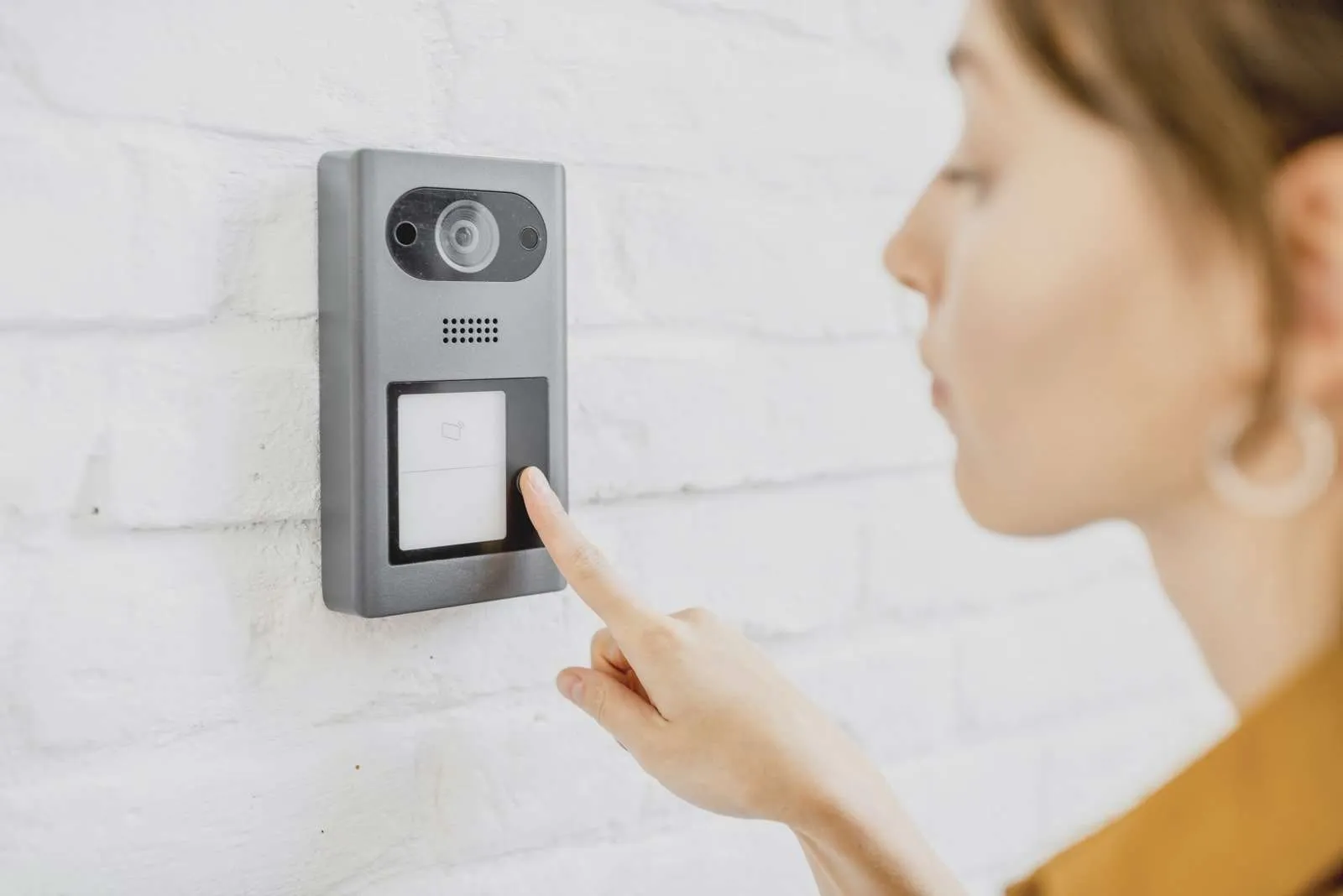
Focus cameras on front doors, back doors, driveways, and ground-level windows. Video doorbells are especially effective because they combine camera coverage with two-way audio and motion alerts. Modern systems offer high-resolution video, night vision, cloud storage, and mobile access, making it easy to check in from anywhere. As home security upgrades evolve, cameras have become more affordable and user-friendly, putting professional-level monitoring within reach for most homeowners.
Alarm Systems with Professional Monitoring
An alarm system adds an active response element to your security plan. Door and window sensors, glass break detectors, and motion sensors work together to detect unauthorized entry. When paired with professional monitoring, these systems ensure that alerts are not ignored. If an alarm is triggered, a monitoring center can contact you, dispatch emergency services, or both.
DIY alarm systems have improved dramatically, offering easy installation and flexible subscription options. Professionally installed systems still appeal to homeowners who want a fully customized setup and hands-off maintenance. Either approach can be effective as long as the system is properly configured and regularly used. Among home security upgrades, alarm systems provide reassurance that help is available even when you are not home.
Window Security Improvements That Go Beyond Locks
Windows are often overlooked because they seem less vulnerable than doors. In reality, ground-level and basement windows are frequent entry points. Standard window locks offer minimal resistance, so additional measures are often worthwhile.
Window security film is a popular upgrade that strengthens glass without changing its appearance. The film holds shattered glass together, making it much harder to break through quickly. This slows intruders and often causes them to abandon the attempt. Window sensors tied into an alarm system add another layer of detection. For homes in higher-risk areas, decorative security bars or reinforced frames may also be appropriate. These types of home security upgrades quietly strengthen weak spots that burglars commonly exploit.
Fencing and Gates That Define Boundaries
A well-designed fence does more than mark property lines. It creates a psychological and physical barrier that discourages casual access. Fences with locking gates signal that a property is private and monitored. While no fence is completely impenetrable, even modest fencing can redirect foot traffic and make your home less convenient to approach.
The most effective security fencing balances height, visibility, and durability. Solid fences provide privacy but can also create hiding spots if not paired with lighting. Open-style fences allow visibility while still limiting access. Gates should always be secured with quality hardware. When considered as part of broader home security upgrades, fencing helps establish controlled access and clear boundaries.
Smart Home Integration That Enhances Awareness
Smart home technology adds convenience, but it can also significantly improve security when used thoughtfully. Smart sensors, connected lights, and automation routines allow homeowners to simulate occupancy, receive instant alerts, and respond quickly to unusual activity.
For example, smart lighting can be programmed to turn on and off while you are away, making the home appear occupied. Smart garage door controllers let you check and close the door remotely. Integrated systems can trigger lights or cameras when motion is detected, increasing both deterrence and awareness. These home security upgrades are most effective when they are simple to use and integrated into daily routines rather than ignored after setup.
Landscaping Choices That Reduce Risk
Security is not just about technology. Landscaping plays a surprisingly important role. Overgrown shrubs, tall hedges, and poorly maintained trees can create concealment near windows and doors. Trimming vegetation to maintain clear sightlines removes hiding places and improves visibility from the street and neighboring homes.
Gravel pathways can also add a subtle security benefit by creating noise when walked on. Thorny plants beneath windows can discourage access without appearing overtly defensive. These low-cost home security upgrades complement more obvious measures and contribute to an overall sense of order and visibility that deters crime.
Neighborhood Visibility and Community Measures
While not a physical upgrade in the traditional sense, community awareness significantly amplifies the effectiveness of other security measures. Homes in neighborhoods where residents know each other and pay attention experience lower crime rates. Visible signs of participation in neighborhood watch programs or monitored alarm services can reinforce deterrence.
Combining community engagement with tangible home security upgrades creates an environment where suspicious activity is noticed quickly. This shared vigilance increases the perceived risk for anyone considering targeting the area.
Prioritizing the Upgrades That Matter Most
The biggest mistake homeowners make is focusing on a single solution instead of building layers. The most impactful approach starts with strong doors and locks, adds lighting and cameras for deterrence, incorporates alarms for detection and response, and then refines the system with smart technology and environmental design. Each layer compensates for the limitations of the others.
Not every home needs every upgrade, but every home benefits from a thoughtful combination. Budget, location, and personal comfort level should guide decisions. When chosen wisely, home security upgrades do more than protect property. They provide confidence, peace of mind, and a sense of control that makes a house truly feel like home.