Rising energy costs and growing environmental awareness have made energy efficiency a top priority for homeowners and businesses alike. While insulation, windows, and appliances often get most of the attention, electrical improvements can deliver some of the biggest efficiency gains when done strategically. The right electrical upgrades reduce wasted power, improve system performance, and often increase comfort and safety at the same time. This guide explores which electrical upgrades make the biggest impact, how they work, and why investing in energy-efficient electrical upgrades can pay off for years to come.
Why Electrical Upgrades Matter for Energy Efficiency
Electrical systems play a central role in how energy flows through a home or building. Older systems were designed for fewer devices, lower efficiency standards, and less automation. As technology advances, modern electrical components are able to deliver power more precisely, reduce losses, and adapt usage based on real needs. Upgrading electrical infrastructure helps ensure that energy is not wasted through outdated wiring, inefficient lighting, or poorly controlled systems. In many cases, these upgrades also prepare a property for renewable energy, smart devices, and future expansion.
LED Lighting Conversions
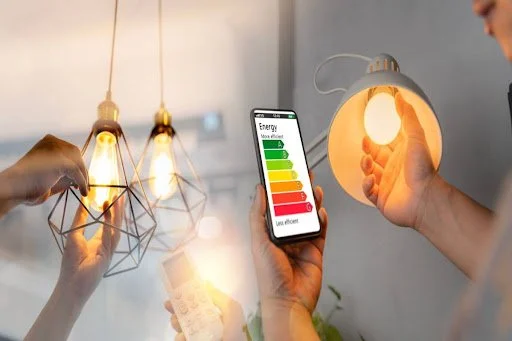
One of the most impactful and accessible upgrades is switching to LED lighting. Incandescent bulbs convert most of their energy into heat rather than light, making them highly inefficient. Compact fluorescent bulbs improved efficiency but still have limitations and shorter lifespans compared to modern LEDs. LED lighting uses significantly less electricity to produce the same brightness and can last many times longer than traditional bulbs.
Beyond simple bulb replacements, upgrading fixtures, recessed lighting, and outdoor lighting to LED-compatible designs can further improve efficiency. Smart LEDs that allow dimming and scheduling reduce energy use even more by ensuring lights are only on when needed. For many properties, lighting upgrades alone can reduce electricity consumption by a noticeable margin.
Smart Switches, Dimmers, and Controls
Lighting efficiency is not just about the bulb. Smart switches, motion sensors, occupancy sensors, and dimmers play a major role in eliminating unnecessary usage. Motion-activated switches ensure lights turn off automatically when rooms are empty, which is especially useful in bathrooms, hallways, garages, and commercial spaces. Dimmers reduce power draw by lowering light output when full brightness is not required.
Advanced lighting controls can also integrate with home automation systems, allowing centralized scheduling and remote control. These systems prevent lights from being left on accidentally and adapt usage patterns to daily routines. Over time, these small reductions add up to meaningful energy savings.
Electrical Panel Upgrades
An outdated electrical panel may not directly waste energy, but it can limit the efficiency of the entire system. Older panels were not designed to support modern energy-efficient technologies, high-efficiency HVAC systems, electric vehicle chargers, or solar connections. A new electrical panel improves load distribution, reduces the risk of overheating, and ensures power flows efficiently to all circuits.
Upgrading the panel also makes it easier to add energy monitoring systems, smart breakers, and dedicated circuits for high-efficiency appliances. These improvements support better control over energy use and prevent inefficiencies caused by overloaded or improperly balanced circuits.
Smart Electrical Panels and Energy Monitoring
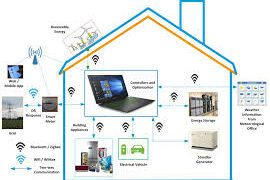
One of the fastest-growing trends in energy-efficient electrical upgrades is the smart electrical panel. These systems provide real-time data on how electricity is being used throughout the building. Homeowners can see which circuits consume the most power and identify devices that are wasting energy.
Smart panels allow users to schedule circuits, shut off unused loads, and receive alerts about abnormal consumption. Some systems integrate with solar panels and battery storage, optimizing when energy is used, stored, or sent back to the grid. By making energy use visible and manageable, smart panels empower better decisions and long-term efficiency improvements.
Upgraded Wiring and Reduced Energy Loss
Older wiring materials and installation methods can contribute to energy loss and safety risks. While modern wiring is primarily designed for safety, it also supports better efficiency by reducing resistance and heat buildup. High resistance connections waste energy as heat and can reduce the effectiveness of appliances and equipment.
Replacing aging or damaged wiring improves conductivity and ensures that electricity reaches its destination with minimal loss. This is especially important in older homes that have been expanded or modified over time without comprehensive electrical updates. Proper wiring also supports efficient grounding and stable voltage levels, which help appliances operate as designed.
High-Efficiency Electrical Appliances and Dedicated Circuits
Appliances account for a large share of electricity usage, and their performance depends heavily on proper electrical support. Installing dedicated circuits for major appliances such as refrigerators, HVAC systems, and laundry equipment ensures stable power delivery and prevents inefficiencies caused by voltage drops or shared loads.
Pairing dedicated circuits with Energy Star-rated appliances maximizes efficiency gains. Modern appliances are designed to use less power, but they perform best when supported by an updated electrical infrastructure. In some cases, upgrading circuits can also enable advanced features like variable speed motors and smart energy management functions.
Electric Vehicle Charging Infrastructure
As electric vehicles become more common, installing a properly designed EV charging circuit is both an efficiency and future-readiness upgrade. Level two chargers are far more efficient than standard outlets, delivering faster charging with less energy loss. A dedicated EV circuit reduces strain on the electrical system and ensures charging occurs at optimal efficiency.
Many EV chargers can be programmed to charge during off-peak hours when electricity rates are lower. Some integrate with solar and battery systems to use renewable energy directly. These features make EV charging a significant contributor to overall household energy efficiency.
Solar Ready Electrical Upgrades
Even if solar panels are not installed immediately, preparing the electrical system for future solar integration is a smart efficiency move. Solar-ready upgrades may include panel capacity increases, conduit installation, and inverter-compatible wiring. These improvements reduce the need for costly retrofits later and ensure that renewable energy can be used efficiently once added.
A well-designed electrical system allows solar energy to be distributed effectively throughout the building, reducing reliance on grid power. When combined with battery storage, these upgrades can further optimize energy usage by storing excess power for later use.
Power Factor Correction and Commercial Efficiency
For commercial and industrial properties, power factor plays a significant role in energy efficiency. Poor power factor increases energy losses and can result in higher utility charges. Power factor correction equipment improves how electrical power is used, reducing wasted energy and improving system performance.
While this upgrade is more common in commercial settings, it highlights the importance of system-wide electrical efficiency rather than focusing only on individual devices. Optimizing how power is delivered and used at the system level often produces the greatest savings.
The Long-Term Value of Electrical Efficiency
Energy-efficient electrical upgrades provide benefits beyond lower utility bills. They improve safety, increase property value, and enhance comfort and reliability. Many upgrades also qualify for rebates, tax incentives, or utility programs, making them more affordable upfront.
Perhaps most importantly, these improvements create a foundation for future technologies. Smart homes, renewable energy systems, and electrified transportation all rely on modern electrical infrastructure. Investing in efficiency today ensures that a property is ready for tomorrow while reducing environmental impact in the present.
Choosing the Right Upgrades for Maximum Impact
Not every upgrade delivers the same return in every situation. The most effective approach starts with an energy audit or professional electrical assessment. This process identifies inefficiencies, outdated components, and opportunities for improvement based on how the property actually uses electricity.
By prioritizing upgrades such as LED lighting, smart controls, panel improvements, and efficient wiring, property owners can achieve meaningful reductions in energy consumption. When combined thoughtfully, energy-efficient electrical upgrades work together to create a system that uses less power, performs better, and adapts to changing needs over time.