Careful timing plays a surprisingly important role when planning a whole-house generator purchase, especially for households that want reliable backup power without overspending. For many families, a generator is not about luxury but about keeping food fresh, medical devices running, and daily routines stable during outages. Prices, availability, and installation schedules can vary significantly throughout the year, often influenced by weather patterns and consumer demand. In this article, practical timing strategies are explained to help households choose the most cost-effective and stress-free moment to invest in a whole-house generator.
- Off-Season and Shoulder Months
Spring and late fall are often considered “shoulder seasons” for generator purchases, as they sit between extreme weather periods. During these months, demand tends to be lower because recent storms are no longer top of mind and the next season feels distant. Installers and suppliers are usually less booked, which can translate into more flexible scheduling and occasional price incentives. From a daily life perspective, this timing allows families to plan installations without rushing or rearranging work and school schedules. Buying in calmer months also provides time to understand system features and make informed decisions without pressure.
- Proactive Planning Before Peak Need
Install Before Hurricane or Storm Season
Installing a generator well before hurricane or storm season offers peace of mind that cannot be overstated. When severe weather warnings begin appearing, contractors are often fully booked and less able to accommodate last-minute requests. Early installation ensures that testing and adjustments can be completed under calm conditions. For everyday households, this means confidence that refrigerators, heating or cooling systems, and internet connections will remain functional if outages occur. Planning ahead also allows time to learn basic operation and maintenance without stress.
Schedule Before Major Weather Forecasts
Weather forecasts can strongly influence market behavior, even weeks in advance. Once long-range forecasts suggest increased storm activity, interest in backup power rises quickly. Scheduling a purchase before these forecasts dominate the news helps avoid reactive decision-making. It also allows families to compare system options more thoughtfully and choose capacity levels that match real household needs. This approach aligns generator ownership with long-term preparedness rather than short-term fear.
- Aligning with Home Improvement Projects
Coordinate During Renovations or Upgrades
Home renovations provide an ideal opportunity to integrate a whole-house generator seamlessly. Electrical upgrades, panel replacements, or solar additions often involve similar labor and permitting processes. Coordinating these projects can reduce overall disruption and streamline inspections. In daily life, this means fewer days with electricians on site and less repeated work around walls or outdoor spaces. Planning generator installation alongside renovations also ensures the system fits naturally into the home’s evolving energy setup.
Bundle with Other Electrical Work
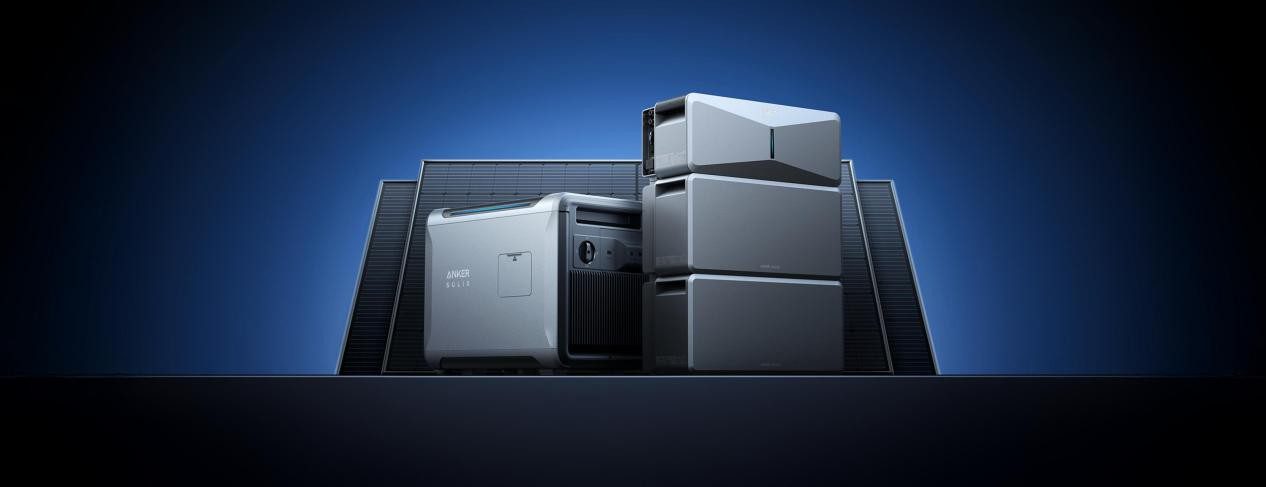
Bundling generator installation with other electrical projects can create both logistical and financial efficiencies. Shared labor reduces duplicated effort, and electricians can design systems more holistically. In households that rely on a mix of grid power and backup sources, pairing fixed electrical work with a flexible generator can improve overall resilience. For example, solutions like the Anker SOLIX Smart Generator 5500 are designed to integrate smoothly into broader home energy plans, offering up to 4,500W of DC charging power and supporting multiple fuel types, which helps households adapt to different outage scenarios without reworking existing wiring. This kind of coordinated setup supports stable daily energy use while leaving room for future upgrades.
- Financial and Incentive Timing

Look for Manufacturer Rebates and Sales
Manufacturer promotions often follow predictable cycles tied to inventory planning and seasonal demand. These rebates may appear during slower sales periods, offering meaningful savings. From a household budgeting perspective, this timing helps spread costs more comfortably across the year. Monitoring these opportunities allows families to invest in reliable backup power without compromising other financial priorities. Patience in timing can therefore translate directly into long-term value.
Consider Tax Credits or Utility Incentives
Some regions offer tax credits or utility incentives for energy systems that improve resilience or efficiency. These programs may change annually, making timing an important consideration. Aligning a generator purchase with incentive availability can significantly reduce net costs. For families balancing mortgages, education expenses, and daily living costs, such savings make preparedness more accessible. Staying informed about these programs turns generator ownership into a financially strategic decision rather than a purely reactive one.
- Practical Steps for Smart Timing
Get Multiple Quotes in Advance
Requesting quotes well ahead of need allows households to compare options calmly. Installers are more responsive during off-peak times, often providing clearer explanations and detailed assessments. This process helps families understand capacity requirements based on real daily usage, such as cooking, heating, and remote work needs. Comparing quotes also reveals realistic installation timelines and avoids unexpected delays. Preparation transforms the buying experience into a controlled and transparent process.
Plan for Lead Time and Installation
The whole house generators are complex systems that require manufacturing, delivery, and professional installation. Lead times can vary, especially during busy seasons. Planning months ahead ensures that delivery aligns with household schedules and avoids prolonged waiting periods. From a lifestyle perspective, this foresight minimizes disruption and ensures readiness before outages occur. Smart timing ultimately supports smoother daily routines and greater household confidence.
Conclusion
Choosing the best time to buy a whole-house generator is less about reacting to outages and more about understanding seasonal patterns, planning ahead, and aligning purchases with everyday life. Off-season buying, proactive scheduling, and thoughtful coordination with home projects all contribute to better outcomes. Financial incentives and early quotes further enhance value and reduce stress. By focusing on timing as a strategic tool, households can secure reliable backup power in a calm, cost-effective way that supports daily comfort and long-term resilience.