Returning to a car that has been struck while parked is frustrating, but how you respond in the first few minutes can make a real difference to how smoothly the aftermath goes. Whether the other driver left a note or drove off without a word, there is a clear sequence of steps worth following.
Check the Vehicle and Document the Scene
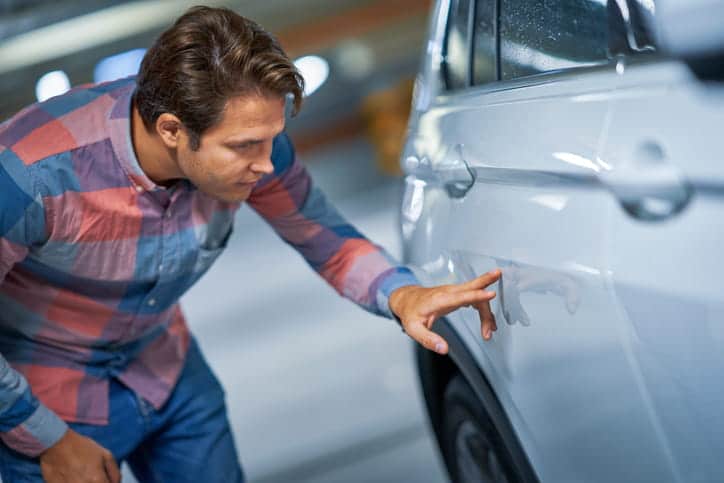
The first priority is to check that the vehicle is safe. If it is blocking traffic or poses a hazard, move it if you can do so safely, but only after taking photographs of its original position. Documenting the scene properly is one of the most important things you can do. Take wide shots showing both vehicles and the surrounding area, close-ups of the damage from several angles, and pictures of any relevant road markings, signage or CCTV cameras nearby. Note the date, time and exact location, since this information is easy to forget once the shock wears off.
Exchange Details if the Other Driver Is Present
If the person responsible for the damage is still present, exchange details in full: name, address, phone number, registration number, and insurance provider if they have it to hand. It is worth asking to see their driving licence to confirm the name matches, as disputes sometimes arise later over incorrect details. Witnesses can also be valuable, so if anyone saw the incident, politely ask for their contact information too.
Dealing With a Hit-and-Run
A hit-and-run, where the other driver leaves no details, is more complicated but not necessarily a dead end. Check nearby shops, businesses or homes for CCTV footage, since many owners are willing to share recordings if asked promptly, before the footage is overwritten. Look around for dashcam-equipped vehicles that may have been parked nearby, and consider posting in local community groups, as witnesses sometimes come forward this way. Whether or not the culprit is identified, it is worth reporting the incident to the police, particularly if the damage is significant, since some insurers require a crime reference number before processing a claim.
Contact Your Insurer Early
Contact your insurer as soon as possible, even if you are unsure whether you will claim. They can advise on your policy’s excess, no-claims protection and courtesy car provisions, and starting the process early avoids delays. If the other driver’s details are known and they accept liability, their insurer should cover the cost of repairs and any related expenses, meaning your own no-claims bonus need not be affected.
Get the Damage Properly Assessed
Once the claim is underway, get the damage properly assessed before committing to repairs. It is sensible to obtain more than one quote, ideally from body shops that specialise in accident repair work rather than general garages, since cosmetic damage such as dents, scratches and cracked panels needs specific tools and paint-matching expertise.Bodyshops with dedicated accident repair experience will typically offer a free assessment and can advise whether a repair is straightforward or involves structural work that needs closer inspection.
Keep Your Paperwork Together
Finally, keep every piece of paperwork together: photographs, correspondence, quotes and the final invoice. If you later need to challenge an insurer’s valuation or dispute liability, having a complete record from the outset makes the process considerably easier. Choosing a repairer experienced in insurance work can also help, as they are used to liaising directly with insurers and handling the paperwork on your behalf.
Being prepared, even mentally, for this kind of incident means that if it does happen, you can act calmly and protect your interests from the very first moment