
What to Do When You Experience a Dental Emergency

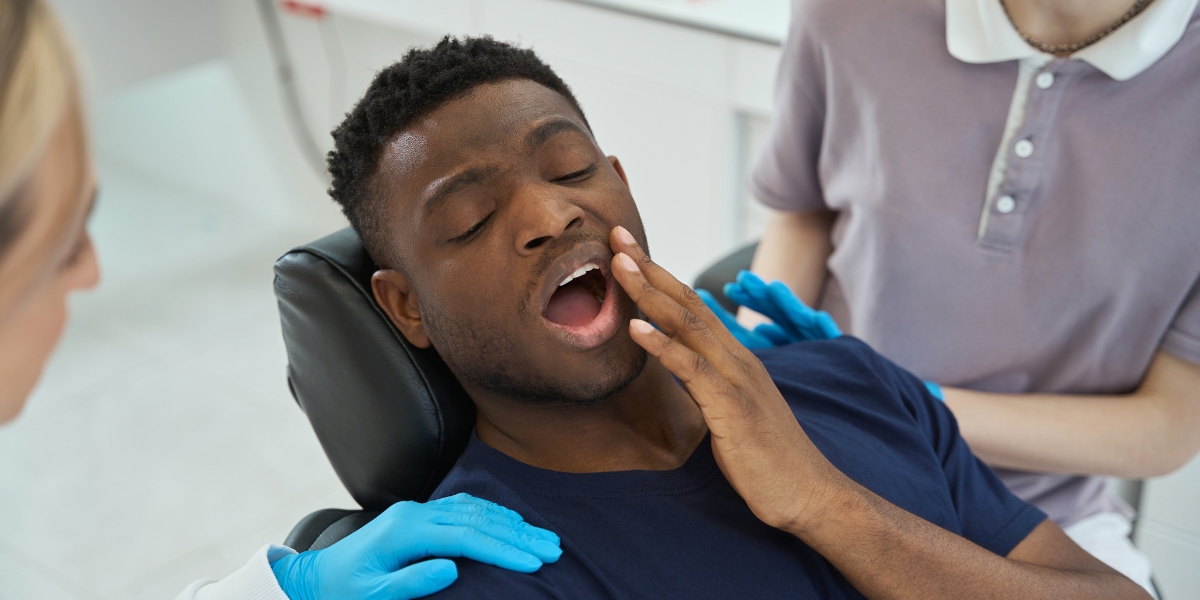
A dental emergency can happen when you least expect it. Tooth pain, accidents, or broken teeth often need quick attention. Knowing what to do right away can save your smile and ease your stress.
Keep reading to learn simple steps and solutions that can help!
What Is Considered a Dental Emergency?
A dental emergency is any problem that needs quick care to stop pain, bleeding, or further damage. It can happen suddenly and may need a dentist right away.
Common dental emergencies
Dental emergencies can happen anytime. Acting quickly can save your teeth and ease pain.
- Severe toothache: Sudden, sharp pain in a tooth may signal infection or decay. Seek help from an emergency dentist in Astoria immediately.
- Knocked-out tooth: If a tooth falls out, keep it moist and try placing it back in its socket. If not possible, store it in milk and visit a dentist right away.
- Cracked or broken tooth: A broken tooth may cause pain or make eating hard. Rinse your mouth with warm water to clean the area before seeing a dentist.
- Lost filling or crown: Losing a filling or crown can expose sensitive areas of the tooth to bacteria.
- Abscessed tooth: An abscess is a serious infection near the root of a tooth. It may cause severe pain and swelling, requiring immediate dental care.
- Injury to soft tissues: Biting your lip, tongue, or cheek can result in bleeding or swelling. Apply pressure to stop bleeding and seek help if needed.
- Objects stuck between teeth
Items stuck between teeth can lead to irritation or damage over time if untreated. Try flossing gently, but visit the dentist if removal fails.
Taking quick action during these situations can reduce damage and prevent long-term problems!
When to seek immediate care
Seek care right away for intense pain or bleeding that does not stop. Swelling in your face, mouth, or neck can also signal a serious issue.
A knocked-out tooth needs quick attention to save it. Broken teeth with sharp edges cutting your tongue or lips require urgent care too.
Causes of Dental Emergencies
Dental emergencies often happen unexpectedly. They can cause pain or damage that needs quick attention.
Accidents or trauma
Accidents can cause sudden dental emergencies. A fall or sports injury might knock out a tooth or crack it. Car crashes and fights can also damage teeth or gums.
Face trauma may lead to bleeding, swelling, or broken braces. Seek care if you experience severe pain or cannot close your jaw properly. Quick action helps prevent long-term issues.
Untreated dental issues
Untreated dental problems can lead to serious emergencies. Cavities that remain untreated may turn into painful tooth infections or abscesses. These infections can cause swelling, fever, and severe discomfort.
Gum disease is another ignored issue that can worsen over time. It may loosen teeth or even lead to tooth loss if not addressed quickly. Ignoring minor pain or damage could result in bigger problems requiring urgent care later on.
General Steps to Take During a Dental Emergency
Stay calm and act quickly to address the problem. Take simple steps to protect your teeth and mouth before seeing a dentist.
Stay calm and assess the situation
Take a deep breath. Focus on what happened to your teeth or mouth. Check if there is bleeding, pain, or swelling. Look for any lost or damaged teeth.
Check how serious the injury is. If it’s safe and easy, gather broken pieces of tooth or other objects carefully. Make sure not to panic as this helps you think clearly and act quickly.
Rinse your mouth with warm water
Clean your mouth with warm water to remove any debris or blood. Warm water helps soothe the area and prevent infection.
Swish gently, especially if a tooth is loose or gums are bleeding. Avoid using cold or hot water, as it may cause discomfort.
Use a cold compress to reduce swelling
After rinsing your mouth, applying a cold compress can help. Place it on the outside of your cheek near the injured area.
This reduces swelling and eases pain. Use a cloth-wrapped ice pack for 10-15 minutes at a time. Take breaks to avoid skin irritation.
How to Handle Specific Dental Emergencies
Act quickly to protect your teeth and gums. Take the right steps to control pain and prevent further damage.
Severe toothache
A severe toothache can happen suddenly. It may feel sharp, throbbing, or constant. Tooth decay is often the main cause. Other issues like an infection, gum disease, or a cracked tooth can also trigger pain.
Rinse your mouth with warm salt water to clean it. Floss gently to remove trapped food. Take over-the-counter pain medicine if needed, but avoid placing aspirin on your gums; it can burn them. Call your dentist right away for proper treatment.
Knocked-out tooth
Pick up the tooth by the crown, not the root. Gently rinse it with water if it’s dirty, but do not scrub or use soap.
Try placing the tooth back into its socket if possible. If you can’t, keep it moist in milk or your saliva. Visit a dentist immediately for the best chance of saving it.
Cracked or broken tooth
A cracked or broken tooth can cause sharp pain. Avoid chewing on that side to prevent more damage. Rinse your mouth with warm water to keep the area clean. If there’s bleeding, gently press gauze against it to stop the flow. For swelling, use a cold compress outside your cheek.
Save any pieces of the tooth if possible and bring them to your dentist. Cover sharp edges with dental wax or sugar-free gum until treatment. Call your dentist right away for an appointment; delaying care may lead to infection or further complications.
Bitten tongue, cheek, or lip
A cracked or broken tooth hurts, but biting your tongue, cheek, or lip can be just as painful. These soft tissue injuries often bleed a lot because the mouth has many blood vessels.
Clean the area gently with warm water to remove dirt or bacteria. Avoid scrubbing to prevent further damage.
Apply firm pressure with a clean cloth or gauze if bleeding continues. Use an ice pack wrapped in a towel on the outside of your face to reduce swelling and pain. If bleeding does not stop after 15 minutes, seek help from a dentist or emergency room right away.
When to Visit the Emergency Room
Go to the emergency room if you have severe bleeding or swelling. Serious injuries may need urgent medical care.
Signs that require medical attention
Dental emergencies can sometimes need more than a dentist. Knowing when to visit an emergency room is very important.
- Uncontrolled bleeding means you should seek help right away. This could happen after an injury or pulled tooth.
- Severe swelling in the face, mouth, or neck can block airways and needs urgent care. It might be caused by an infection or allergic reaction.
- A broken jaw is a serious issue that must be treated immediately. Symptoms include pain, difficulty closing your mouth, or misaligned teeth.
- High fever along with severe tooth pain may signal a dangerous infection. This could spread quickly if untreated.
- Trouble breathing due to oral issues requires fast attention at a hospital. It can become life-threatening within minutes.
- A deep cut inside the mouth that cannot stop bleeding needs immediate treatment too. This prevents further complications and infections.
- Pus-filled swelling under your gum or tongue signals a possible abscessed tooth that can lead to serious health risks if ignored.
- Numbness in the face or jaw might point to nerve damage after trauma.
Act fast during these emergencies by contacting medical professionals without delay!
Situations when a dentist is unavailable
If a dentist is unavailable, head to the emergency room for severe pain or swelling. These could be signs of infection spreading in your body. Emergency doctors can help manage pain and prevent complications.
For minor issues like small cracks or lost fillings, you can use temporary dental repair kits from a pharmacy. Over-the-counter pain relievers may ease discomfort until you see a dentist.
Avoid chewing on the affected area to prevent further damage.
How to Prevent Dental Emergencies
Take care of your teeth every day to keep them strong. Use safety gear during sports to protect your smile.
Proper oral hygiene practices
Brush your teeth twice daily using fluoride toothpaste. Spend at least two minutes to clean all areas of the mouth.
Floss once a day to remove food between teeth where brushes can’t reach. Avoid sugary foods and drinks that can harm your enamel.
Proper care reduces the risk of emergencies, leading to fewer problems like tooth decay or gum issues. Wear protective gear during sports activities for added prevention.
Wearing protective gear during sports
Good oral hygiene helps prevent many dental problems, but accidents can still happen during sports. Use proper protective gear to protect your teeth and mouth.
Mouthguards are essential for contact sports like football, hockey, or basketball. They cushion the impact and lower the risk of broken teeth or injuries to gums. Face shields or helmets provide added protection in some activities such as biking or skateboarding.
Ensure the gear fits well for maximum safety.
Preparing for Dental Emergencies
Plan ahead to handle dental emergencies better. Keep key tools and contacts ready for quick action.
Items to include in a dental first aid kit
A dental first aid kit can help during emergencies. It is smart to keep it in your home or car.
- Gauze pads: These help stop bleeding and protect injured gums.
- Small container with a lid: Use this to store a knocked-out tooth safely.
- Dental mirror: Check the damaged area in your mouth more easily with this small tool.
- Latex gloves: Protect your hands and avoid germs while treating injuries.
- Cotton balls or swabs: These clean minor wounds and apply medicine if needed.
- Pain relievers like acetaminophen: Reduce pain until you see a dentist quickly.
- Clove oil: This numbs pain caused by toothaches temporarily.
- Orthodontic wax: Cover sharp braces or wires to prevent cuts inside your mouth.
- Salt packets: Mix these with warm water for rinsing after an injury or swelling starts.
- Ice pack: Control swelling of lips, cheeks, or gums after trauma happens.
Keeping emergency contact numbers handy
A well-stocked dental first aid kit is helpful, but contact numbers are just as important. Keep your dentist’s phone number in a safe and easy-to-reach spot.
Save the number for an emergency dental clinic or health service on your phone. Write it down too in case your phone dies or gets lost. Having these numbers close can save time and get you faster care during a dental emergency.
Conclusion
Dental emergencies can be scary, but quick action helps. Stay calm and follow basic steps to ease the pain. Contact your dentist as soon as possible for proper care. Being prepared can make a big difference when accidents happen.
Take good care of your teeth to avoid these situations!







Comment