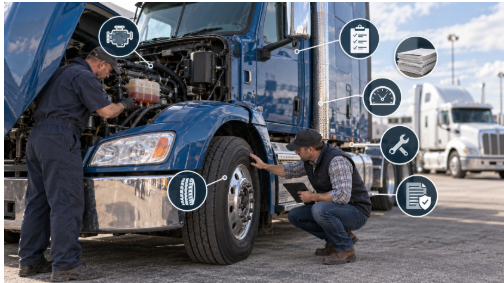
A used rig can look like a bargain on day one. Then one ugly roadside repair shows up and eats the profit you expected to keep. That is the part nobody likes to talk about, but every smart buyer should.
Used trucks make up 54% of the national MHD truck stock, with 32.3% of these used vehicles owned by small fleets. So if you searched for buying used semi truck advice before handing over money, you are already taking the right first step. A careful pre-owned semi truck inspection can protect your uptime, resale value, and cash flow.
Essential Pre-Purchase Steps for Buying a Used Semi Truck
When reliability and return on investment are the goal, begin with the things you can confirm. Paperwork may not reveal everything, but it often points you toward the areas that deserve a closer look.
Start With Ownership and Records
Do not let shiny paint or a spotless cab distract you. Ask for the title, lien release, maintenance records, accident history, and ownership trail.
Your semi truck checklist should also include VIN verification, odometer review, and proof that major repairs were handled by a qualified heavy-duty shop. If the seller cannot produce basic documentation, that does not automatically mean the truck is bad. But it does mean you should slow down and ask better questions.
Shop Where Support Exists
For Maryland buyers comparing semi trucks for sale, Beltway Companies’ Baltimore Used Truck Center offers a dealer experience where everything you may need—used inventory, parts, service, leasing, rentals, and collision repair—is available under one roof.
That kind of support can make the buying process smoother and more practical, especially if you want a high-touch experience instead of a handshake and a set of keys. After-sale support matters. Downtime rarely arrives at a convenient moment.
Next, make sure the truck’s condition lines up with the story you have been told.
Vehicle History and Structural Condition
Once the documents are in front of you, the real question is simple: does the truck look as honest in person as it does on paper? This is where patience can save you real money.
Read the History Like a Pattern
Look beyond one clean maintenance receipt. You want to see a pattern.
Maintenance gaps, repeat repairs, and several short ownership periods can all be warning signs. If you are wondering what to check before buying a semi truck, compare oil changes, brake work, tire replacements, emissions repairs, mileage, and actual use.
A truck that ran steady regional routes may tell a very different story from one that lived in harsh stop-and-go work. The records should make sense. If they do not, ask why.
Inspect the Frame, Cab, and Undercarriage
Get low. Look closely. Bring a flashlight if you have to.
Check for frame cracks, fresh undercoating, uneven welds, rust swelling, and mismatched body panels. These can point to accident damage, rushed repairs, or old problems dressed up for resale.
Fresh paint is nice. Hidden structural issues are not. If something feels off, trust that little voice and keep digging.
If the truck’s identity and structure check out, it is time to move into the parts that usually cost the most.
Critical Mechanical Checks for Pre-Owned Semi Trucks
Mechanical condition decides whether the truck works for you or drains your bank account. This is not the moment to hurry, even if the seller casually mentions that “another buyer is coming this afternoon.”
Engine and Transmission Health
A practical used semi truck buying guide should always begin with the engine. Pay attention to cold-start behavior, idle quality, exhaust smoke, leaks, blow-by, and fault codes.
The transmission deserves the same level of attention. It should shift cleanly, without grinding, hesitation, slipping, or harsh engagement under load. A short test drive around the block is not enough. You want to see how the truck behaves when it is warmed up and working.
Drivetrain, Brakes, and Tires
Inspect axles, differentials, suspension bushings, steering play, alignment, air leaks, brake linings, drums, and tire age. Uneven tread can say a lot. Sometimes it points to alignment problems. Other times, it hints at worn suspension or frame concerns.
Here is a simple comparison to keep the money side of the decision grounded before you move into compliance.
| Buying Path | Best Fit | Watch Closely |
| Pre-owned truck | Lower upfront cost and faster fleet growth | Inspection depth and repair history |
| New truck | Warranty comfort and latest systems | Higher price and depreciation |
| Lease or rental | Short-term projects or uncertain routes | Mileage limits and contract terms |
Now the truck has to be legal, connected, and ready for modern operations.
Advanced Technology and Compliance Considerations
A semi can run well and still become a problem if the electronics or emissions systems are unreliable. These details affect dispatching, roadside inspections, repair costs, and where the truck can legally operate.
ELDs, Sensors, and Cab Electronics
Test the electronic logging device, dashboard warnings, diagnostic ports, exterior lighting, cameras, navigation, and telematics. Do not assume everything works because the engine starts.
Fleet operators increasingly gravitate toward used semi-trucks as regulatory compliance costs for new vehicles escalate dramatically, with 2027 EPA-compliant tractors expected to cost 10-12% more than current models. That cost pressure is one reason pre-owned units remain attractive. Still, technology problems can turn a good deal into a frustrating one.
Emissions Rules and Future Access
Verify diesel particulate filter history, DEF system condition, regeneration records, and state-specific emissions rules. If the truck will run in California, serve ports, or handle certain local contracts, compliance requirements may be stricter than they are for a basic regional route.
Think about where the truck needs to work six months from now, not just where it can run today.
Once legal operation is covered, turn your attention to the person spending long hours inside the cab.
Interior Comfort, Cab Condition, and Ergonomics
Driver comfort is not a luxury item. It affects safety, morale, retention, and productivity. Anyone who has spent long days behind the wheel knows this is not just theory.
Cab Wear and Sleeper Comfort
Inspect seat support, mattress condition, storage areas, door seals, HVAC, bunk controls, water leaks, and cab noise. A stained headliner, broken trim, or lingering odor may suggest the truck was not treated with much care.
One small annoyance in a parking lot can become a major frustration after ten hours on the road. Pay attention to the little things.
Instruments and Safety Features
Confirm gauges, warning lights, mirrors, backup cameras, collision alerts, seat belts, and horn function. Small safety problems can quickly become inspection violations, insurance headaches, or worse.
If the cab feels solid and usable, step back and run the complete ownership math before calling it a deal.
Operating Costs, Sourcing, and Negotiation
A low purchase price can be tempting. Everyone likes a bargain. But the real cost of ownership includes fuel, tires, financing, insurance, repairs, permits, and downtime.
Hidden Costs Buyers Miss
Ask about upcoming service needs, not only past repairs. A truck that needs tires, brakes, fluids, and emissions work soon after purchase may cost more than a higher-priced unit that is ready to go to work.
This is where buyers sometimes get burned. The sticker price looks good, but the first 90 days tell the truth.
Seller Reputation and Closing Documents
Dealers with service departments, warranty options, and after-sale support can reduce risk. Before closing, confirm the bill of sale, title transfer, lien status, registration requirements, and financing terms in writing.
If it matters, get it documented. Verbal promises have a funny way of disappearing when an invoice shows up.
With price and paperwork handled, do not let basic inspection mistakes undo the deal.
Inspection Mistakes and Market Trends to Watch
Even careful buyers can miss things when a truck looks clean and the price feels right. Slow down. Bring another set of eyes. A little healthy skepticism is your friend here.
Overlooked Inspection Points
Electrical wiring, air lines, battery boxes, fifth wheel wear, ADAS sensors, and old collision repairs are easy to overlook. A third-party pre-owned semi truck inspection is usually cheaper than finding hidden damage after the first load is already booked.
Do not skip the boring checks. They are often the ones that save you.
Tech, Fuel, and the Printable Checklist
Telematics, idle reduction systems, hybrid options, and alternative fuels can affect resale value and operating costs. Keep a printable semi truck checklist on your phone or clipboard so every unit gets the same review.
That way, you are not relying on gut feeling alone. Gut feeling is useful. A checklist is better.
Final Thoughts on a Smart Pre-Owned Semi Truck Purchase
A pre-owned semi truck can be a smart investment when the deal is based on proof, not hope. Verify the records, inspect the structure, test the mechanical systems, review emissions compliance, and calculate the real cost to operate.
The best purchase is not always the cheapest one. It is the truck that can earn reliably and still make financial sense months down the road. Take your time now, ask the awkward questions, and buy with discipline. Your future self, and your repair budget, will thank you.
Common Questions About Buying a Pre-Owned Semi Truck
Most buyers have a few practical concerns before they commit. These short answers can help you move forward with a clearer head.
What is a good mileage to buy a used semi-truck?
There is no perfect mileage number. Maintenance matters more than the odometer by itself.
A higher-mile truck with strong service records may be a better buy than a lower-mile unit with gaps, leaks, poor tires, or signs of hard use. Look at the whole picture.
What are things to look for when buying a used truck?
Check the title, service history, frame, engine, transmission, brakes, tires, emissions system, electronics, and cab condition. Use a consistent semi-truck checklist, take a real test drive, and get an independent mechanic involved when possible.
Should I hire a mechanic before buying?
Yes, unless you are truly qualified to inspect heavy-duty trucks yourself. A mechanic can spot costly issues in the drivetrain, emissions system, air brakes, suspension, and electronics before they become your responsibility.