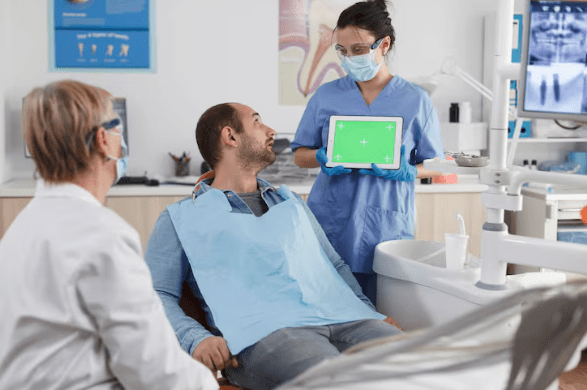
There’s a reason so many adults still feel their stomach drop when they think about sitting in a dental chair. For decades, dental visits meant harsh fluorescent lights, the high-pitched whine of drills, and that distinctly clinical smell that seemed to follow you home.
But walk into a modern dental clinic today, and the difference is striking. The approach to patient comfort has undergone a complete transformation, and it extends well beyond offering a TV on the ceiling.
Why Comfort Actually Matters for Dental Health
Before getting into what’s changed, it’s worth understanding why patient comfort isn’t just a nice extra. Dental anxiety affects a significant portion of the population. More people than you might expect experience some level of fear around dental visits, ranging from mild unease to full-blown phobia that keeps them from seeking care altogether.
This fear has real consequences. People who dread the dentist tend to postpone appointments, skip preventive care, and only show up when something hurts badly enough to override their anxiety. By then, small problems have often become major ones requiring more invasive treatment.
When clinics prioritize comfort, they’re not just being considerate. They’re removing barriers that keep people from getting the care they need.
The Physical Environment Has Changed Dramatically
The spaces where dental care happens have been completely reimagined. From waiting rooms to treatment areas, every detail now receives attention.
Moving Away from the Clinical Feel
Modern dental practices have rethought every aspect of their physical spaces. Gone are the stark white walls and harsh lighting that made older offices feel like operating rooms. Today’s clinics often feature:
- Warm, neutral color palettes that feel more like a spa than a medical facility
- Private treatment rooms instead of open-plan layouts with multiple chairs
- Natural lighting where possible, or warm artificial lighting that doesn’t feel institutional
- Comfortable seating in waiting areas with charging stations and amenities
- Calming artwork and design elements throughout the space
These changes might seem superficial, but the environment shapes experience. Walking into a space that feels welcoming rather than intimidating sets a different tone for the entire visit.
Attention to Sensory Details
Forward-thinking clinics have also become more aware of sensory triggers that can heighten anxiety. That means addressing things like:
- Sound management to reduce the audible impact of dental equipment
- Pleasant scents rather than the typical “dental office smell.”
- Temperature control in treatment rooms
Small touches add up. When the environment feels considered and intentional, patients notice it.
Technology That Prioritizes Gentleness
Perhaps the most significant changes have happened with the equipment itself. Modern dental technology has moved steadily toward less invasive, more comfortable approaches, and patients are noticing the difference.
Laser Dentistry
Traditional dental cleanings and procedures often involved scraping, pressure, and vibration that many patients found uncomfortable. Laser dentistry has significantly changed that equation. Using focused light energy instead of traditional tools, laser procedures can remove decay, treat gum disease, and perform cleanings with far less discomfort.
For patients with sensitive teeth or gum tissue, this technology can make previously dreaded procedures much more tolerable. The precision of laser treatment also means less impact on surrounding healthy tissue, resulting in faster healing and less post-procedural discomfort.
Digital Impressions
Anyone who remembers biting down on trays of cold, gooey impression material knows how unpleasant that experience can be. Modern digital scanning has largely replaced this process with a quick, comfortable wand that captures precise 3D images without any of the mess.
Better Anesthetics and Delivery Systems
Even the way numbing agents are administered has improved. Topical gels applied before injections reduce the initial pinch. Smaller gauge needles cause less sensation. Computer-controlled delivery systems administer anesthetic slowly and steadily, avoiding the pressure that came with manual injection.
Some clinics also offer alternatives like nitrous oxide or oral sedation for patients who need extra help relaxing.
Communication Has Become Central
Good dental care now starts with good conversation. The way clinics communicate with patients has become just as important as the technical work itself.
Explaining Before Doing
One of the biggest shifts in modern dental care is the emphasis on communication. Anxiety often stems from uncertainty, so clinics that prioritize comfort make sure patients understand what’s happening and why.
This means:
- Thorough explanations of procedures before they begin
- Step-by-step narration during treatment so nothing comes as a surprise
- Visual aids like intraoral cameras that let patients see what the dentist sees
- Time for questions without feeling rushed
When patients feel informed and involved in their care, the experience feels less like something being done to them and more like a collaborative process.
Actually Listening to Concerns
Modern practices also spend more time understanding individual patient concerns. Someone with a strong gag reflex has different needs than someone whose primary issue is needle phobia. A patient who had a traumatic dental experience as a child needs a different approach than someone who’s simply been avoiding checkups.
Taking the time to understand these individual factors allows care to be tailored accordingly.
The Team Makes the Difference
All the technology and design improvements in the world can’t compensate for staff who make patients feel rushed, judged, or dismissed. The clinics that truly excel at patient comfort invest heavily in their people.
This shows up in:
- Staff trained specifically in managing dental anxiety
- A non-judgmental approach, regardless of how long it’s been since a patient’s last visit
- Gentle chairside manner that prioritizes comfort over speed
- Flexibility to pause procedures when patients need a break
Practices like Clean Smiles Dental Clinic in Edmonton have built their reputation on this kind of patient-centered approach. Their team of experienced dental hygienists and dentists creates a warm, welcoming atmosphere with private treatment rooms designed to put patients at ease. They take the time to explain every step of the procedure in advance and offer gentle techniques, such as Guided Biofilm Therapy, for comfortable cleanings. It’s an approach that recognizes technical skill matters little if patients are too anxious to walk through the door.
Pain Management Has Advanced Significantly
The tools and techniques for managing discomfort have come a long way. Modern clinics prioritize pain prevention rather than treating pain as an afterthought.
During Procedures
The days of “just deal with it” dentistry are fading. Modern clinics take pain prevention seriously, using multiple strategies:
- Pre-emptive pain management that addresses discomfort before it starts
- More effective local anesthetics that work faster and last longer
- Sedation options for more involved procedures
- Techniques that minimize pressure and vibration
After Treatment
Post-procedure comfort has also improved. Improved surgical techniques result in less tissue trauma and faster healing. Clear aftercare instructions help patients manage recovery at home. Many clinics now follow up in person after significant procedures.
Scheduling and Accessibility
Comfort isn’t just about what happens in the treatment room. Modern clinics have also rethought the entire patient journey.
Reduced wait times through better scheduling systems mean less time sitting anxiously in the waiting room. Flexible hours, including evenings and weekends, accommodate busy schedules. Online booking lets patients schedule at their convenience without phone anxiety. Direct billing to insurance eliminates financial paperwork.
These operational improvements reduce friction and stress throughout the entire experience.
What to Look for in a Comfort-Focused Clinic
Not every dental practice has embraced these changes equally. When searching for a clinic that prioritizes patient comfort, look for:
- Mention of anxiety management or sedation options
- Modern technology, including digital X-rays and laser treatment
- Private treatment rooms
- Staff who take the time to understand your concerns
- Reviews mentioning gentle care and positive experiences from anxious patients
- Willingness to explain procedures and answer questions thoroughly
A quick tour of the facility before scheduling treatment can also give a sense of the environment and team.
The Bigger Picture
The evolution toward comfort-focused dental care reflects a broader shift in healthcare. Patients are no longer passive recipients of treatment. They’re informed consumers who expect their concerns to be heard and their experience to matter.
For dental practices, this shift has been positive. Comfortable patients are more likely to keep regular appointments, accept recommended treatment, and refer friends and family.
For patients, the change means that avoiding necessary dental care out of fear is becoming less necessary. The dental visit of today bears little resemblance to the experiences that created anxiety in previous generations.
If it’s been a while since your last checkup and the thought of it makes you uneasy, it might be worth considering a modern, comfort-focused clinic. The experience might surprise you.