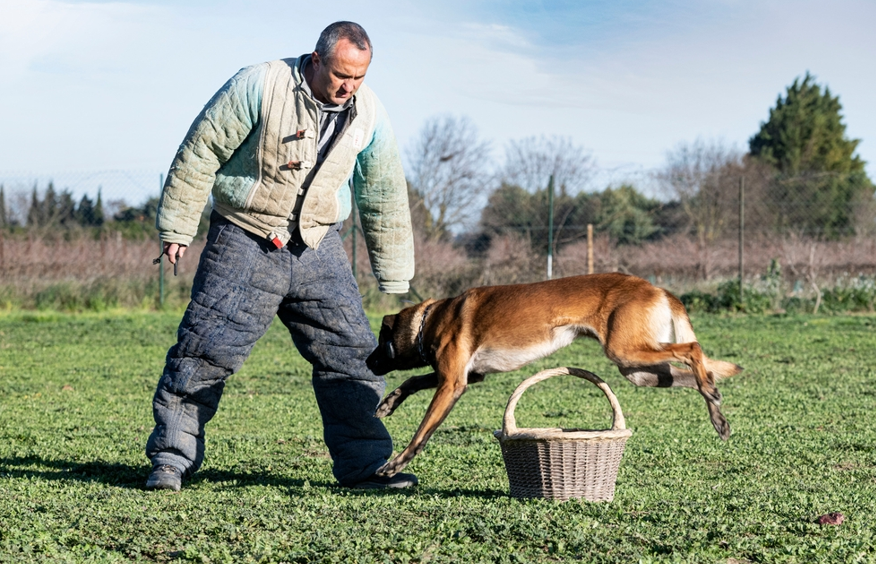
When people hear about a dog-related injury, they often think of a bite first. But a dog can cause a serious injury without ever putting its teeth on someone. A person may be knocked down when a dog jumps on them, charges at them, or pulls hard on a leash.
This creates a different kind of legal situation because the injury may come from the fall or impact rather than a bite wound. Understanding this difference can matter when determining what happened, who may be responsible, and what evidence supports the claim. A dog knockdown injury lawyer can help examine those details and explain how a knockdown case may differ from a traditional dog bite claim.
The Injury Can Happen Without a Bite
A dog knockdown case starts with a simple fact that is easy to overlook. Physical contact does not always involve teeth. A large dog jumping against someone, running into a person, or pulling hard on a leash can cause a fall and lead to an injury.
Someone may also lose balance while trying to move away from a dog that is running toward them. The person may never be bitten or even touched by the animal, yet the dog’s actions may still be part of the chain of events that led to the injury.
That makes the cause of the fall an important part of the factual record. The focus is not only on the injury itself but also on what happened before it.
The Dog’s Actions Become Part of the Story
A knockdown claim may require a clear account of the dog’s behavior. Was the dog running toward the person, jumping up, pulling its owner, or moving across a walkway? Was someone holding the leash, or was the animal loose?
These details can sound small, but they help explain how the incident unfolded. A witness who saw the entire event may describe the dog’s movement differently from someone who only saw the person on the ground.
More Than One Type of Evidence May Matter
Dog bite cases may have visible evidence showing contact between the animal and the injured person. Knockdown cases can require a wider collection of information because the connection between the dog and the fall may not be visible in the injury itself.
Useful evidence may include:
- Security camera footage from nearby homes or businesses
- Statements from people who saw the incident
- Photographs of the location
- Medical records describing the resulting injuries
- Animal control reports
- Messages or other communications involving the dog owner
Each source may provide a different part of the account. A video may show movement, while a witness may explain what happened just before the fall.
Location Can Raise Different Questions
The place where a dog knockdown happens may also matter. An incident on an Atlanta sidewalk raises different factual questions from one inside an apartment community, a private yard, a park, or a business.
The setting may help establish who had control of the dog and what was happening around the animal. For example, an apartment complex may involve shared walkways and common areas, while a private home may involve a different relationship between the people present and the property.
Location does not automatically decide responsibility. It simply provides part of the setting needed to understand the incident.
Leash and Restraint Issues May Matter
Control of the dog can become an important part of a knockdown case. A leash may have been attached but difficult to control, or a dog may have escaped through an open gate or damaged fence.
Questions may include whether the dog was restrained, who was controlling it, and whether local animal control rules applied to the situation. The facts surrounding the restraint may help explain how the dog was able to approach or pull down the person.
For Atlanta, GA incidents, local rules and the circumstances of the location may need to be considered along with the wider facts of the event.
A Dog’s History May Still Be Relevant
A knockdown is different from a bite, but that does not automatically make the dog’s earlier behavior irrelevant. Previous incidents, complaints, animal control records, or reports of aggressive conduct may become part of the factual record, depending on the circumstances and applicable law.
The dog’s history may raise questions about what was known about its behavior before the incident. Those questions are separate from proving how the particular knockdown occurred, so both parts of the story may need to be considered.
Connecting the Fall to the Dog’s Actions
One of the harder parts of a knockdown case is connecting the dog’s behavior to the injury. A medical record may confirm that someone suffered a broken bone, sprain, or other injury, but the record alone may not explain what caused the person to fall.
The surrounding evidence may help establish the sequence. The dog’s movement, the person’s reaction, the fall, and the resulting injury all form connected parts of the account.
A witness might describe the dog rushing toward the person, while video could show the person’s movement and the fall. These details may provide useful context that a single piece of evidence cannot provide on its own.
How Knockdown Cases Differ From Bite Claims
The distinction becomes easier to see by comparing the main areas that may need attention.
| Dog Bite Claim | Dog Knockdown Claim |
| May focus on the animal’s physical contact | May focus on the animal’s movement |
| The bite may provide visible evidence | The fall may provide the main physical evidence |
| Injury evidence may show bite-related harm | Medical records may show injuries caused by the fall |
| Witnesses may describe the bite | Witnesses may need to describe the full sequence |
| Dog history may be relevant | Dog history may also be relevant |
| Restraint may be part of the facts | Restraint and control may be especially important |
Neither type of case should be reduced to one piece of evidence. The facts surrounding the incident provide the larger picture.
The Details Can Change the Picture
A dog knockdown case is not simply a dog bite claim without a bite. The two incidents may involve different evidence and different questions about how the injury occurred. The dog’s movement, leash or restraint, location, witness accounts, video, and medical records can all help establish the circumstances.
For anyone considering a dog knockdown injury lawyer, the important issue is the full sequence of events, from the dog’s actions to the person’s fall and resulting injury. Professional legal analysis can then address which facts and legal issues may apply to the particular situation.