
What Locations Accept Cards for Business Fueling?

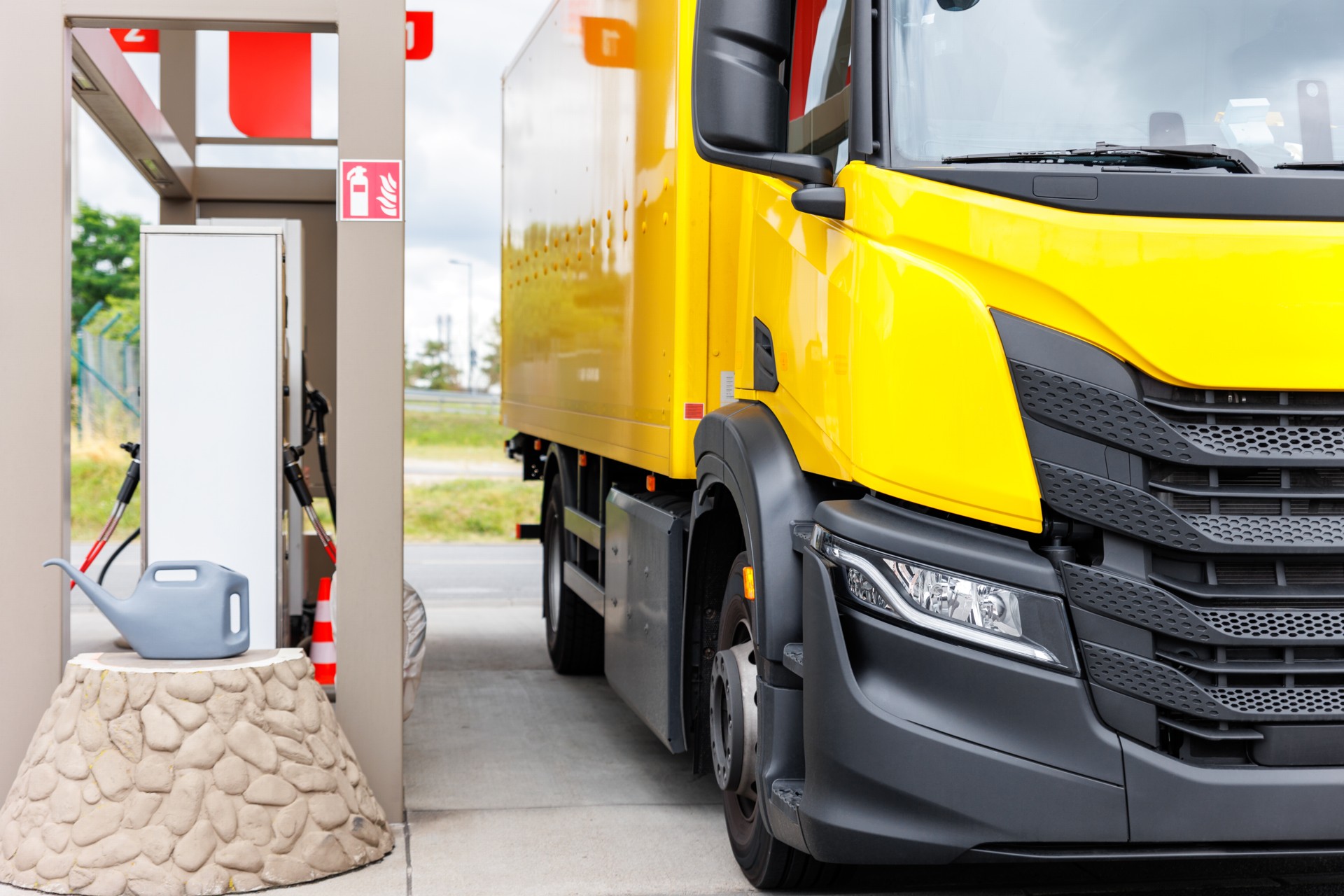
Businesses that operate vehicles across different cities and regions need convenient access to fueling locations. Business fuel cards can provide a dedicated payment method for fuel purchases, but acceptance depends on the specific card network and participating locations. Understanding where business fueling cards are accepted can help fleet managers plan routes, identify suitable fueling stops, and avoid unexpected payment issues. Businesses comparing fueling options can also review https://www.citgofleetcard.com for additional information about card acceptance and fleet fueling solutions. Acceptance can range from individual fuel stations to larger networks, truck stops, and other participating locations, depending on the terms of the card program.
What Determines Where a Business Fuel Card Is Accepted?
Business fuel card acceptance is generally determined by the network associated with the card. Some cards are connected to a particular fuel network, while others may operate across multiple participating fuel brands and independent locations.
Before issuing cards to drivers, businesses should review the program’s accepted-location information. This may be available through an online station locator, mobile application, or searchable network directory.
The number of participating locations is important, but geographic distribution matters just as much. A network with many locations may not provide convenient access in every area.
Major Fuel Station Networks
Many business fuel cards can be used at participating locations within large fuel station networks.
These locations may be found in:
- Urban areas
- Suburban communities
- Interstate corridors
- Commercial districts
- Highway routes
- Industrial areas
Businesses should confirm whether individual stations participate because acceptance can vary even within a broader network.
Independent Fuel Stations
Some business fuel cards may also be accepted at independent fuel stations.
Independent stations can be particularly relevant for fleets operating in smaller communities or areas where large national networks have fewer locations. However, acceptance depends on the card network’s agreements and participating merchants.
Drivers should use the card’s station locator or other available tools to verify participation before traveling to a location specifically for fueling.
Truck Stops and Commercial Fueling Locations
Fleets operating medium- and heavy-duty vehicles may need fueling locations designed for commercial trucks.
Truck stops can offer features that are particularly useful for larger vehicles, including:
- High-flow diesel pumps
- Large vehicle access
- Extended operating hours
- Truck parking
- Multiple fueling lanes
- Driver amenities
Not every business fuel card is accepted at every truck stop, so commercial fleets should check whether their preferred locations participate in the relevant network.
Highway and Interstate Fueling Locations
Long-distance fleets often depend on fueling stations located along major highways and interstate routes.
For these businesses, network coverage along common routes can be more important than the total number of participating locations nationwide. A driver traveling hundreds of miles may need several suitable fueling opportunities along a single trip.
Fleet managers can map regular routes against the card network’s participating locations to determine whether coverage meets operational requirements.
Urban and Suburban Locations
Local delivery companies, service businesses, contractors, and sales teams may primarily operate in urban or suburban areas.
Business fuel cards may be accepted at participating stations located near offices, customer sites, warehouses, and residential service areas.
Because station density can vary between neighborhoods, businesses should check coverage around the specific areas where their vehicles regularly operate.
Rural Fueling Locations
Rural coverage deserves particular attention for businesses operating outside major metropolitan areas.
There may be fewer fueling stations in rural regions, meaning drivers have fewer alternatives if a preferred location does not accept their card.
Before choosing a fuel card program, businesses with rural routes should check participating stations along those routes and determine whether there are adequate alternatives.
Can Cards Be Used at Different Fuel Types?
Acceptance may also depend on the type of fuel purchased.
Some businesses operate mixed fleets that use gasoline, diesel, or alternative fuels. A card program may have different rules for each fuel type, and certain locations may offer only some of the fuels required by a fleet.
Businesses should verify whether the card supports the fuel types used by their vehicles and whether purchase restrictions can be configured.
How Can Drivers Find Participating Locations?
Most established fuel card programs provide some method for locating participating fueling stations.
Common options include:
- Online station locators
- Mobile applications
- Searchable network maps
- GPS-based location tools
- Printed directories
- Customer service assistance
Drivers should ideally check the availability of participating locations before beginning longer trips, particularly when traveling through unfamiliar areas.
What Should Businesses Check Before Choosing a Card?
Businesses should consider several factors beyond the number of locations listed in a network.
Important questions include:
- Where are participating stations located?
- Are common routes adequately covered?
- Are rural areas included?
- Are truck-accessible locations available?
- Which fuel types can be purchased?
- Are there location-based restrictions?
- Can drivers search for participating stations?
- Are transaction fees or other charges applicable?
- How frequently is the station directory updated?
A detailed review can help businesses determine whether a program is compatible with their actual fueling patterns.
Business fuel cards can be accepted at a wide range of fueling locations, but acceptance depends on the card network, participating merchants, geographic area, fuel type, and account terms. Some programs may provide access to major station networks, independent stations, truck stops, and highway fueling locations, while others may have more limited coverage.
The most useful way to evaluate acceptance is to compare participating locations against the routes and areas where a fleet actually operates. By checking network maps, confirming fuel types, and considering urban, rural, and commercial vehicle requirements, businesses can select a fueling solution that aligns with their day-to-day operations.







Comment