In the ever-evolving energy sector, new terms and processes are gaining prominence all the time. One of these is a Power Purchase Agreement (PPA) – an essential component of the financial architecture supporting renewable energy development. A fundamental understanding of what a PPA is and how it operates can provide critical insights into the contemporary energy sector, which could prove useful for businesses seeking a financially stable way to boost their green credentials.
The Basics of PPAs
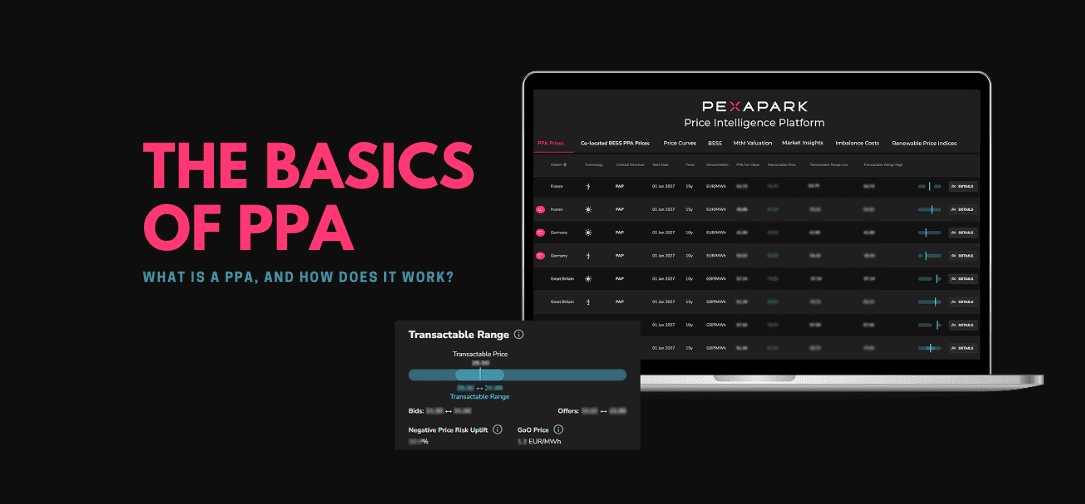
A PPA is a legal contract between an electricity generator and an electricity buyer – usually a utility or a company willing to buy energy in wholesale. The PPA defines the terms of buying and selling electricity, including how much will be delivered, when it’s delivered, and, of course, the PPA price. By securing long-term buyers for their energy, generators can secure attractive financing for their projects, knowing they have a stable revenue stream. Simultaneously, the buyer secures a fixed cost for energy over the lifetime of the agreement, helping reduce exposure to fluctuating energy market prices.
Structure and Components of a PPA
Several key aspects define the structure and components of PPAs. The duration is usually set for an extended period – often between 10 and 25 years – to help ensure stable revenue for the generator and predictable costs for the buyer. Termination conditions are essential, as either party might need to end the contract under specific circumstances. Provisions for this possibility serve to protect both parties.
The contract lays out the basis price, billing procedures, delivery points, and quantity terms. Quality provisions ensure that the delivered energy meets specific standards, while variation provisions adjust to potentially fluctuating production capacity. Lastly, provisions can include covenants or performance assurances to secure the performance of either party under the contract.
PPA Varieties
There are various types of PPAs that serve specific purposes. For example, a physical PPA involves the direct delivery of electricity from the generator to the buyer. Businesses often use it to power their operations or to achieve renewable energy goals. On the other hand, a VPPA, also known as a Contract for Differences, doesn’t involve the actual delivery of electricity. Instead, it’s a financial contract. VPPAs exist to provide corporations with a means of supporting large-scale renewable projects without receiving or using the power. They secure a fixed price for the energy produced, and, usually, any difference from market rates is balanced out financially between the two parties.
The Role of PPAs in Renewable Energy
PPAs play a critical role in aiding green energy strategy. When developers of renewable projects can secure a long-term contract that provides a steady revenue stream, it becomes a lot easier to finance the construction of these projects. PPAs translate into a win-win situation for generators and consumers. Ultimately, a good PPA helps corporations achieve their sustainability goals by supporting the development of renewable energy projects.
Conclusion
A PPA is a crucial tool in the modern energy landscape. It not only provides a predictable budget for energy consumers and secure cash flows for energy producers but has also played a pivotal role in driving the growth of renewable energy. Understanding the structure, components, and types of PPAs can help investors, consumers, and companies navigate the renewable energy landscape more effectively. Moreover, understanding the essential role of PPAs in the modern electricity market could be a decisive factor in mitigating climate change on a global scale.