In the world of e-commerce, a dropshipping supplier plays one of the most important roles in your business success. Whether you’re just starting or scaling your online store, selecting the right supplier can make or break your profits, customer satisfaction, and long-term growth.
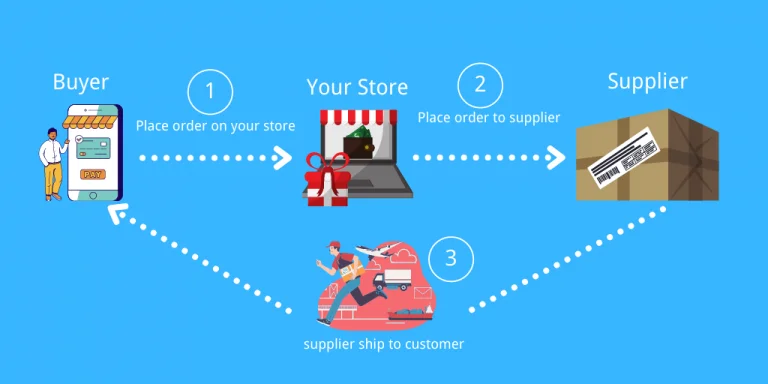
In simplest terms, a dropshipping supplier is a third-party partner that stores, manages, and ships products directly to your customers on your behalf. With this model, you don’t hold inventory — instead, the supplier handles order fulfillment and logistics while you focus on marketing, sales, and customer experience.
One modern solution to streamline your dropshipping operations is Hypersku — a reliable platform that connects e-commerce entrepreneurs with suppliers globally.
Why the Right Dropshipping Supplier Matters
You may think all suppliers are essentially the same, but that is far from the truth. A good supplier not only delivers products on time but also ensures quality control, responsive communication, and competitive pricing. On the other hand, a poor supplier can cause:
- Late shipments
- Damaged products
- Low product quality
- High return rates
- Bad customer reviews
These issues can destroy your brand reputation and profitability.
That’s why understanding how to evaluate dropshipping suppliers is crucial. If you’re working in a niche market like handmade or organic products, exploring reliable Dropshipping Soap Suppliers can give you a strong competitive advantage and help you source high-quality items that customers love.
Key Traits of a Good Dropshipping Supplier
When choosing a dropshipping supplier, prioritize the following qualities:
1. Product Quality and Consistency
Your reputation depends on what customers receive. Always check product samples and reviews from other sellers to ensure consistent quality.
2. Fast and Reliable Shipping
Shipping times affect customer satisfaction and conversion rates. Suppliers with faster processing and tracking integration help you build trust with buyers.
3. Competitive Pricing
If your supplier’s prices are too high, your profit margins shrink. A good dropshipping supplier offers competitive wholesale prices without sacrificing product quality.
4. Inventory Transparency
Real-time inventory updates prevent you from selling out-of-stock products, which leads to cancellations and refunds.
5. Responsive Communication
Choose suppliers who are easy to reach and quick to respond — especially when dealing with issues like returns, refunds, or order changes.
6. Automated Integration with E-commerce Platforms
The best suppliers sync easily with popular e-commerce platforms like Shopify, WooCommerce, or TikTok Shop — saving you hours of manual work.
How Hypersku Helps Dropshippers
Among many dropshipping suppliers available, Hypersku stands out as a modern and efficient solution for entrepreneurs who want to scale. Hypersku combines inventory management, order fulfillment, and supplier connections into one platform — making it ideal for both beginners and experienced sellers.
Here’s what makes Hypersku attractive:
➤ Centralized Supplier Network
Hypersku gives you access to multiple vetted suppliers in one place, eliminating the need to juggle multiple accounts.
➤ Order Management Automation
Orders from your store are automatically forwarded to the supplier, saving time and reducing mistakes.
➤ Global Shipping Options
Whether you’re selling locally or internationally, Hypersku offers reliable shipping solutions tailored to your market.
➤ Transparent Pricing
With clear cost breakdowns, you can easily calculate profits and set competitive prices.
➤ Dashboard Analytics
Track orders, performance metrics, and profits from a single intuitive dashboard.
How to Find and Evaluate Dropshipping Suppliers
While platforms like Hypersku make the process smoother, you should still evaluate any supplier you work with. Here’s a step-by-step workflow:
1. Identify Your Niche
Know what products you want to sell before looking for suppliers. Niches like fashion accessories, tech gadgets, health & beauty, and home décor each have different supplier ecosystems.
2. Research Multiple Suppliers
Don’t settle for the first supplier you find. Compare prices, reviews, shipping times, product quality, and communication responsiveness.
3. Request Product Samples
Before committing, order samples to verify the product quality and packaging.
4. Check Integrations
Ensure the supplier integrates with your chosen e-commerce platform. This makes order processing faster and reduces errors.
5. Evaluate Support and Policies
Review return, refund, and support policies. Suppliers that make these processes difficult can harm your business reputation.
6. Start With Small Orders
Test the supplier in real-world conditions with small order volumes before scaling up.
Dropshipping Supplier Mistakes to Avoid
Even seasoned sellers fall into common traps. Avoid these pitfalls:
❌ Choosing Based Only on Price
Cheapest isn’t always best — especially if product quality suffers.
❌ Ignoring Shipping Times
Customers expect predictable delivery times. Suppliers with slow or inconsistent delivery lose trust.
❌ Lack of Return Policies
Never work with suppliers who refuse reasonable return or refund terms.
❌ Poor Communication
Delayed responses can cost you customers and money.
Final Thoughts: Your Dropshipping Supplier Is Your Business Partner
In the competitive e-commerce landscape of 2026, your dropshipping supplier is more than just a vendor — they are a partner that impacts your brand reputation, customer satisfaction, and profitability.
Simplify your supplier management and streamline your fulfillment operations by choosing a platform like Hypersku. It offers automation, transparency, and global supply network capabilities that help you focus on growth.