
What High-Profile Infrastructure Outages Are Revealing About Battery Maintenance Gaps


Modern critical infrastructure depends on continuous power, yet recent high-profile outages reveal a troubling pattern. Hospitals lose life-support systems, 911 centers go dark and pharmaceutical facilities scramble to prevent millions in losses. The common thread points directly to aging uninterruptible power supply (UPS) batteries that fail at the exact moment backup systems should activate, exposing a maintenance gap that many enterprise organizations have quietly deferred for years.
The True Cost of Deferred Battery Maintenance
Unplanned downtime carries consequences that extend far beyond immediate operational disruption. Data centers face cascading failures that corrupt critical datasets while healthcare facilities risk patient safety during power transitions. Manufacturing operations lose product batches worth millions when power protection fails.
Industry data confirms the severity of this vulnerability. Research shows that the leading root cause of data center outages is UPS battery failure, cited by 55% of respondents in studies by the Ponemon Institute and Uptime Institute. A separate analysis found that 29% of all unplanned power-related outages are caused by UPS battery failure.
Facilities that postpone scheduled battery replacements or skip quarterly testing protocols create conditions where a single component failure can disable entire backup power systems. Enterprise leaders often assume their UPS systems provide reliable protection, yet the batteries powering those systems degrade silently until a grid event exposes the gap.
Understanding the Causes of Premature UPS Battery Failure
Batteries naturally degrade over time, approaching their replacement threshold as they near typical five-year service intervals. Operational oversights accelerate this decline and create failures well before expected end-of-life dates. Organizations that rely on enterprise UPS systems for continuous operations require proactive maintenance strategies beyond the traditional break/fix approach.
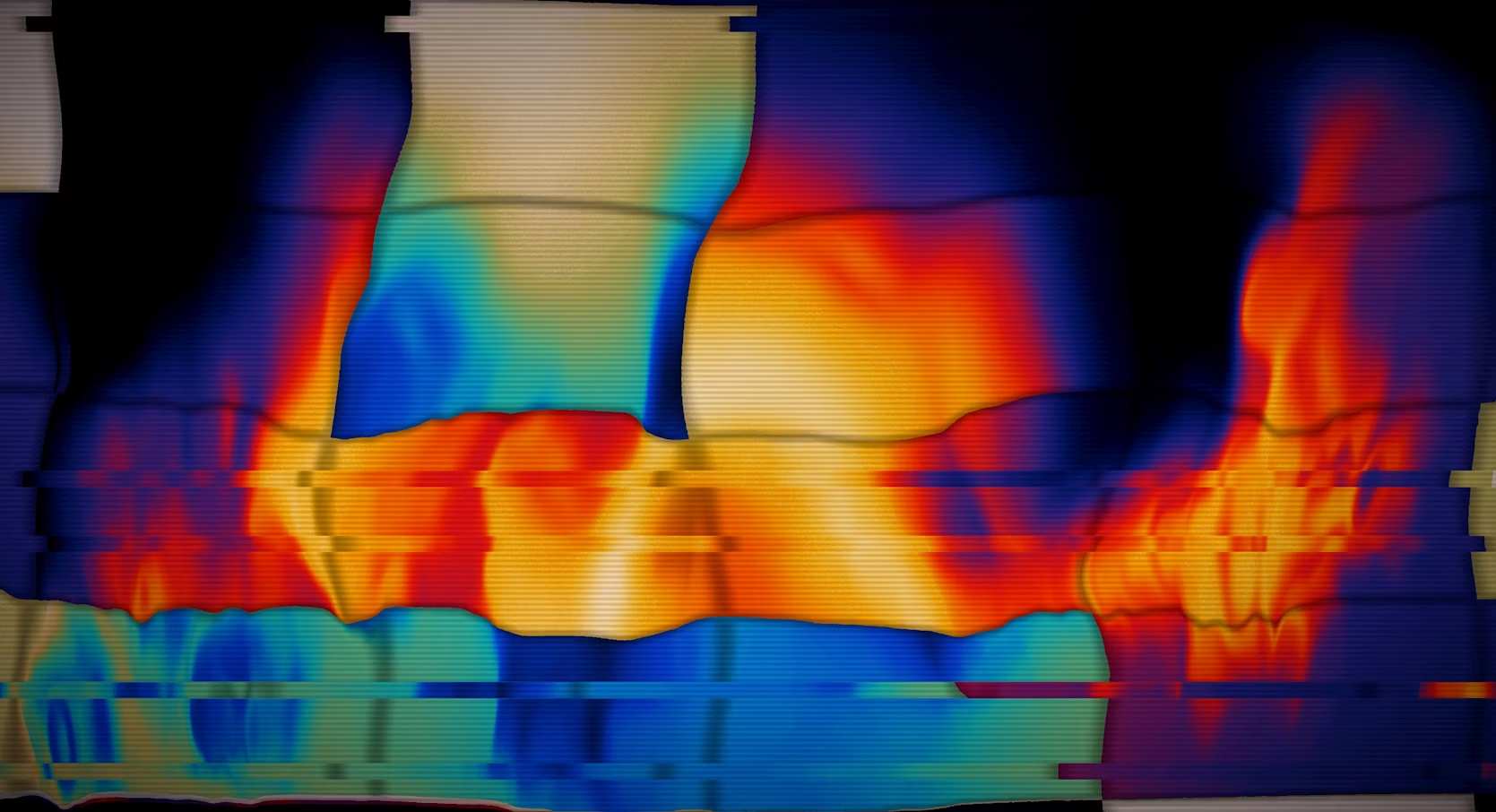
Proactive maintenance strategies address these risks through regular thermal imaging, impedance testing and environmental monitoring. When organizations implement predictive maintenance, they catch developing problems before they escalate into full system failures.
Environmental Factors and Thermal Stress
Temperature fluctuations impose severe stress on battery chemistry and internal components. Remote telecom shelters and high-density data centers often experience thermal extremes that degrade battery capacity faster than manufacturer specifications predict. Batteries operating consistently above 77° Fahrenheit lose months or even years from their expected service life.
Poor cooling infrastructure compounds the problem by creating conditions in which batteries operate under sustained thermal stress. Facilities that lack proper HVAC systems or position UPS equipment near heat-generating servers reduce available capacity and increase internal resistance in their battery banks.
Ignored Monitoring Alarms and Testing Gaps
Modern UPS systems generate automated alerts when batteries show early warning signs of degradation, yet many facilities treat these alarms as informational while ignoring the need for action. This allows conditions to worsen until catastrophic failure becomes inevitable. Static voltage checks provide insufficient data about actual battery health and miss critical indicators that impedance testing would reveal.
Quarterly impedance testing offers substantially better insight into battery condition than voltage monitoring alone. This diagnostic approach identifies cells that show elevated internal resistance before they fail under load, leaving organizations vulnerable to surprise failures during actual power events.
Deferred Replacement and Aging Infrastructure
Many organizations push batteries beyond their recommended service life to maximize return on investment. This calculus ignores the exponentially higher risk posed by aging batteries as they approach and exceed their design lifespan.
Aging batteries can draw excessive current from DC circuits during charge cycles, stressing components such as pre-charge circuits and input/output (I/O) boards that were never designed to handle the elevated demand. The resulting component damage often costs far more to repair than the battery replacement would have cost initially.
These failure modes rarely announce themselves in advance. In most cases, the first confirmation that a battery maintenance gap exists arrives during an actual power event. The following incidents, drawn from public records and documented service cases, illustrate what deferred maintenance looks like in practice across some of the most risk-sensitive infrastructure environments in operation today.
1. Nationwide Power Hospital I/O Board Failure
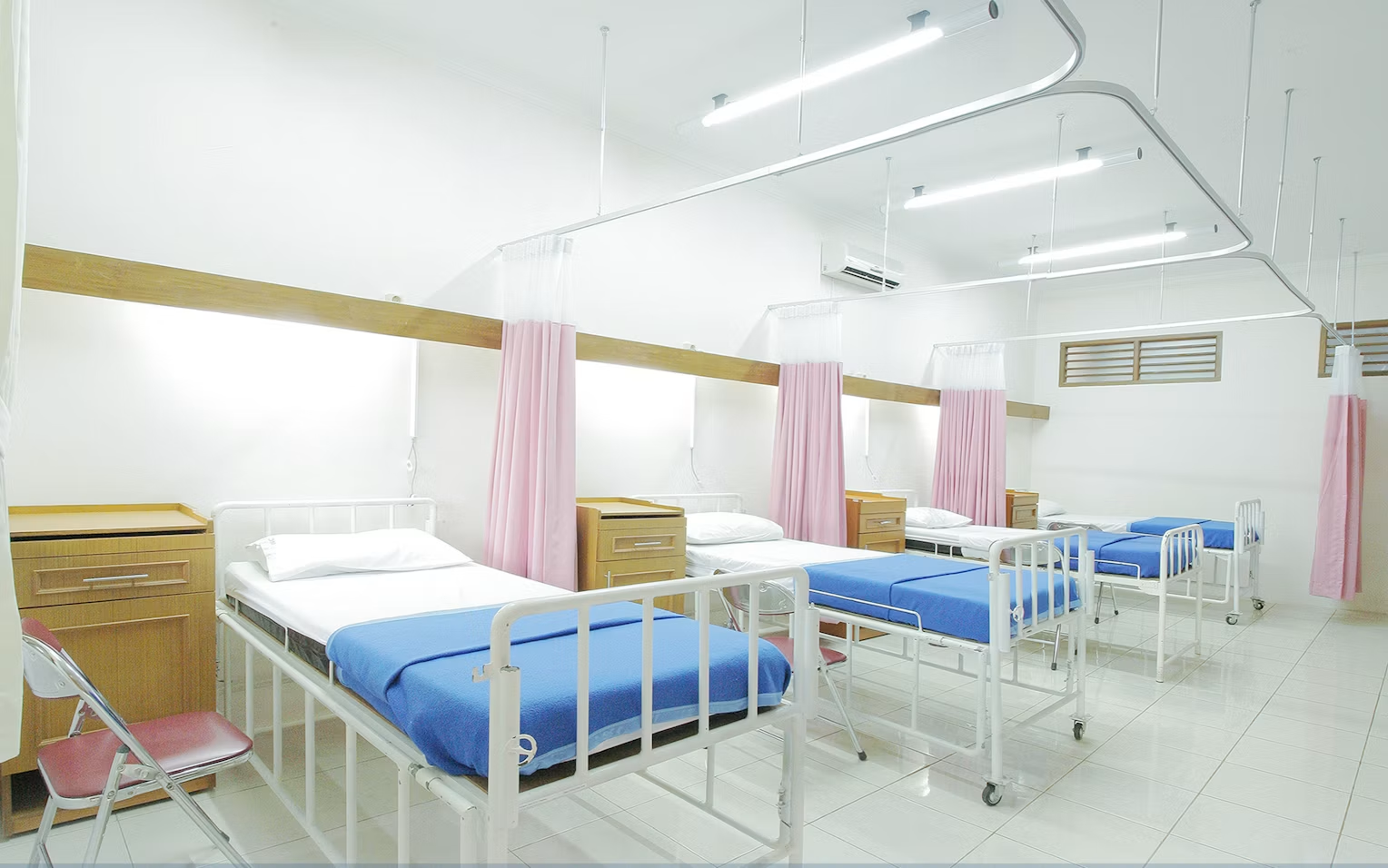
A hospital’s critical infrastructure experienced a cascading UPS failure when batteries approaching the five-year replacement mark created conditions that damaged the entire system. The aging batteries drew excessive current on the DC circuit, causing a faulty pre-charge circuit that ultimately shorted the main I/O board. The failure occurred just weeks before the facility’s scheduled maintenance visit.
Critical power professionals from Nationwide Power responded to the emergency and discovered that the battery stress had compromised multiple system components. The hospital faced prolonged vulnerability during repairs, demonstrating how battery runtime limitations become the least of an organization’s concerns when deferred maintenance allows electrical stress to damage the primary UPS infrastructure.
The system was restored within 24 hours after a replacement I/O board was sourced, shipped overnight, and installed on-site under the hospital’s existing full-service contract.
2. Hamilton County Communications Center
A municipal 911 center lost all emergency communications for 40 minutes when a damaged UPS battery bank depleted itself during a power transition. The equipment failed entirely during the transition between utility and battery power, creating a public safety crisis and exposing how battery degradation affects system-switching logic and power-delivery capacity.
A third-party contractor was engaged to repair the damaged board and relay, though no public record of systemic battery maintenance changes followed.
3. Atlanta Police Department Dispatch Center
Emergency services faced another battery-related failure when a battery-powered UPS failed to activate during a power disruption at the Atlanta Police Department’s dispatch center. The failure compromised computer-aided dispatch servers that prioritize and route incoming emergency calls across the metropolitan area.
The incident showed that organizations must regularly validate UPS systems to ensure they perform as intended. Remediation discussions centered on the building lease rather than UPS battery maintenance, with no critical power specialist publicly identified as part of the response.
4. Pfizer Groton Data Center
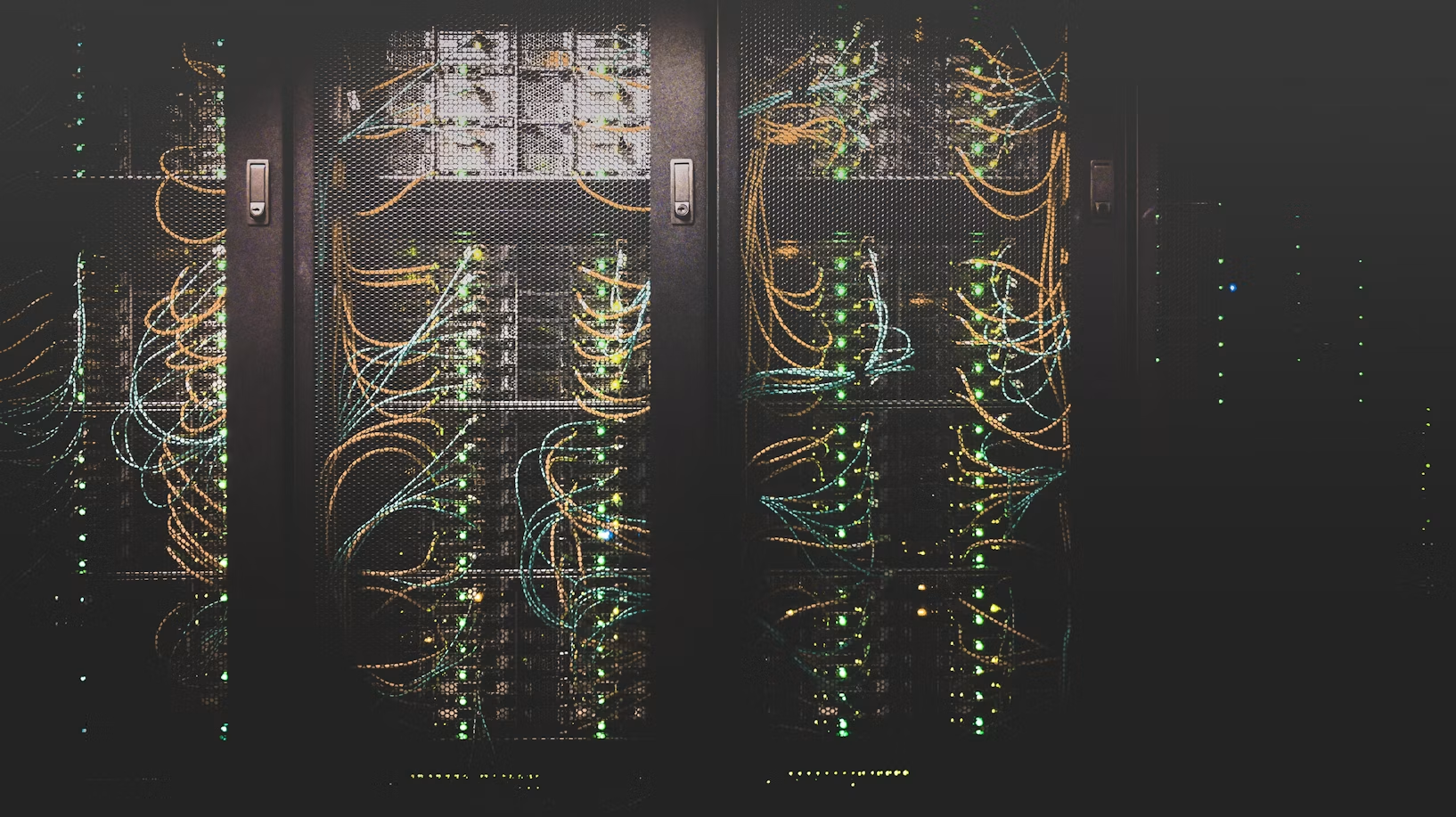
A winter storm knocked out utility power to Pfizer’s major pharmaceutical manufacturing campus in Connecticut, triggering a recovery process that exposed multiple hardware failures the facility’s technical team had to address under emergency conditions.
The incident illustrated how severe grid events serve as stress tests, revealing deferred maintenance across entire power infrastructure chains. Organizations that discover component failures during actual emergencies face substantially more difficult remediation challenges than those that identify problems through scheduled testing protocols. The hardware failures were remediated once power was restored, though no public detail was released about what components were replaced or what preventive changes followed.
5. Forth Valley Royal Hospital
Storm Eowyn impacted primary power to Forth Valley Royal Hospital in Scotland, forcing the facility to rely entirely on emergency battery power with limited capacity of up to 90 minutes after backup generators failed to start.
The near-miss demonstrated the critical importance of battery run-time calculations in emergency planning. Facilities that experience both primary and secondary backup failures depend entirely on UPS battery capacity to bridge the gap, making battery health monitoring essential to comprehensive resilience strategies. Standard operating procedures were updated to avoid parallel generators and mains running during unstable supply conditions, though no broader UPS battery maintenance review was publicly documented.
Moving Toward Proactive Power Resilience Strategies
The pattern emerging from these incidents reveals that hoping aging batteries will perform during grid events represents an inadequate risk management strategy. Organizations across sectors need to shift from reactive maintenance approaches toward predictive monitoring and scheduled replacement protocols that address battery degradation before it compromises critical infrastructure.
Enterprise leaders should implement rigorous quarterly testing schedules while maintaining detailed battery age tracking. The next grid event will arrive without warning, and facilities that have deferred battery maintenance will discover whether their backup systems can deliver the protection their operations require.
Featured image source: https://unsplash.com







Comment