
What Compensation Can You Claim After a Hit-and-Run Crash?

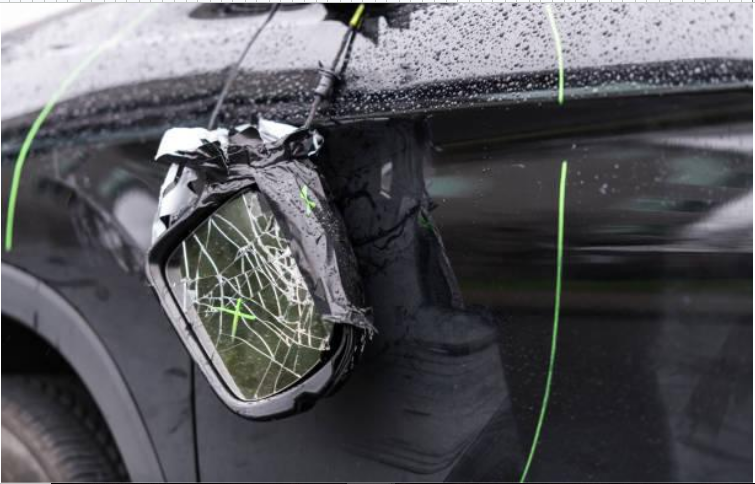
After a hit-and-run crash, you may be able to seek compensation for medical expenses, lost income, property damage, and certain non-economic losses through available insurance coverage or, when the driver is identified, a claim against the responsible party.
A hit-and-run can leave victims dealing with injuries and financial uncertainty while the other driver is missing. Taking prompt steps to document the collision and identify available sources of compensation is important. Knowing what you may be entitled to after a hit-and-run accident can help you make informed decisions about your next steps.
Medical Expenses
Medical costs are often one of the largest financial consequences of a serious crash. Compensation may cover emergency treatment, hospital care, diagnostic testing, medication, surgery, physical therapy, and other reasonable medical expenses related to the accident.
If an injury requires continuing treatment, future medical expenses may also become part of a claim. Keeping medical records, bills, prescriptions, and treatment recommendations can help document these losses.
Lost Wages and Future Income
An accident can prevent you from working for days, weeks, or longer. If your injuries interfere with your ability to perform your regular job, you may be able to seek compensation for income lost because of the crash.
More serious injuries may affect your future earning ability. In those situations, the financial impact may extend beyond the wages lost during the initial recovery period.
Property Damage
A hit-and-run can cause significant damage to a vehicle. Depending on the available insurance coverage, you may be able to recover costs associated with repairing or replacing the vehicle.
Other damaged personal property may also be considered. Photographs of the vehicle and estimates from repair professionals can help establish the extent and value of property losses.
Pain and Emotional Distress
Not every consequence of a collision comes with a simple bill or receipt. Victims may experience physical pain, emotional distress, anxiety, sleep difficulties, or other problems after a traumatic crash.
The availability and value of compensation for these non-economic losses can depend on the applicable law and insurance coverage. Documentation from healthcare professionals can help show how an injury has affected daily life.
Uninsured Motorist Coverage
When the at-fault driver cannot be identified, uninsured motorist coverage may provide an important source of compensation, depending on the policy and applicable state law. Hit-and-run drivers may be treated as uninsured motorists for insurance purposes.
Victims should review their own automobile insurance policy and promptly notify the insurer about the crash. Insurance companies may have specific requirements for reporting and documenting hit-and-run collisions.
What to Do After a Hit-and-Run
After the crash, contact law enforcement and provide as much information as possible about the other vehicle. Details such as its make, model, color, license plate information, direction of travel, and visible damage may help investigators identify the driver.
If it is safe, photograph the accident scene, vehicle damage, road conditions, and nearby surroundings. Witness names and contact information can also be valuable. Avoid pursuing the fleeing vehicle, as doing so can create additional safety risks.
Arizona law also requires drivers involved in certain crashes to stop and provide information. Arizona Revised Statutes § 28-661 addresses the duties of a driver involved in a crash involving death or personal injury.
Why Documentation Matters
A hit-and-run claim can be more complicated because there may be no identified at-fault driver. Medical records, accident reports, photographs, witness statements, employment records, repair estimates, and insurance documents can help establish what happened and the resulting losses.
Because insurance policies and deadlines can vary, reviewing your options promptly can help protect your ability to pursue available compensation.
Key Takeaways
- Medical expenses may be recoverable after a hit-and-run crash.
- Lost wages and reduced future earning capacity may be part of a claim.
- Vehicle and other property damage may qualify for compensation.
- Pain and emotional effects can contribute to the overall impact of an accident.
- Uninsured motorist coverage may provide compensation when the driver is not identified.
- Reporting the crash and preserving evidence are important steps after a hit-and-run.
- Reviewing insurance coverage promptly can help protect potential claims.







Comment