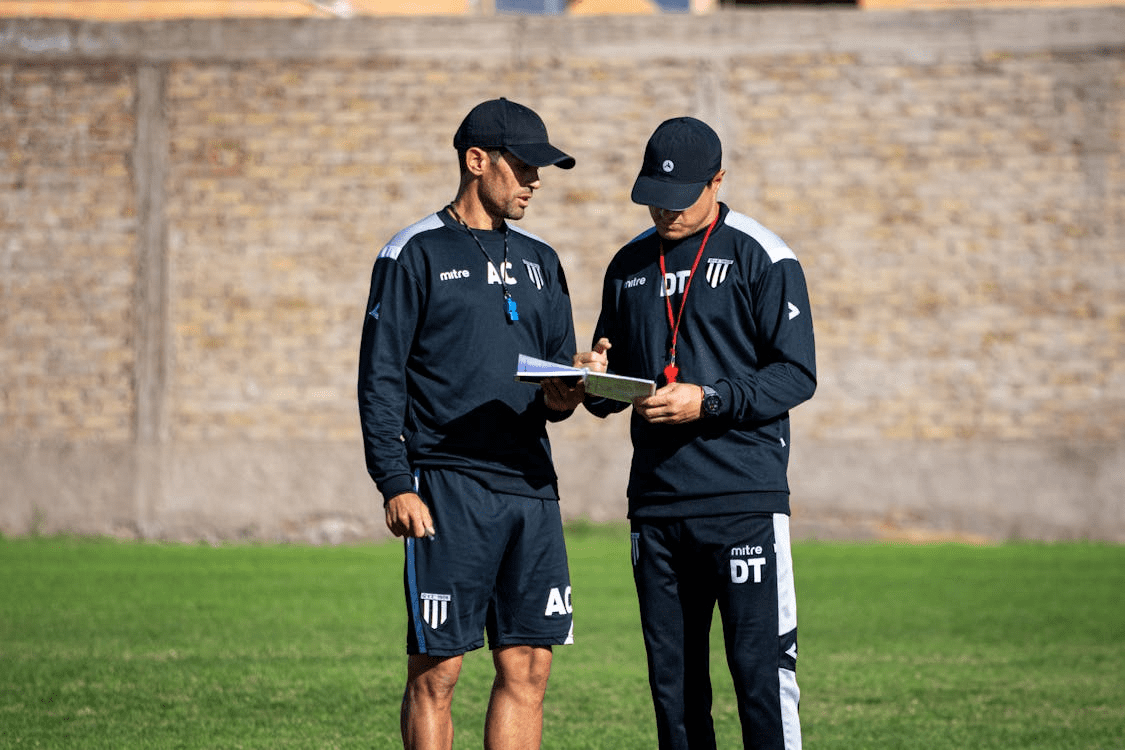
Strong teams rarely appear by accident. They grow from a coach’s commitment to structure, communication, discipline, and ongoing development. Athletes bring passion and talent, yet it is the coach who creates the framework that turns individual skill into unified performance. When coaches learn how to shape team culture, design purposeful training environments, and guide players through challenges, they position their athletes for consistent improvement. This process requires clarity, patience, and adaptability, and it rewards players and staff with deeper trust and stronger results.
Establishing a Clear Team Identity
A coach’s first responsibility is to define what the team stands for. Athletes respond well when expectations feel concrete rather than abstract. A defined identity clarifies the standards that guide training intensity, game-day attitudes, communication, and decision-making. Coaches strengthen identity by reinforcing shared values in meetings, practice routines, and competitive scenarios.
This clarity helps players understand where they fit within the system and how their choices support team goals. A strong identity becomes especially valuable during stressful moments, when players need reminders of what anchors their performance. As identity becomes ingrained, athletes begin to hold one another accountable rather than relying solely on the coach.
Many coaches find that this shared ownership leads to better cohesion and reduced friction across the roster. When everyone recognizes the purpose behind daily actions, commitment tends to rise, and distractions lose influence.
Using Innovative Tools to Sharpen Strategic Understanding
Tactical development contributes greatly to a team’s strength. Coaches who present information in clear, engaging ways help athletes absorb complex concepts faster. Visual learning tools, video breakdowns, and digital diagrams create stronger connections between instruction and application.
Strategic planning deepens when coaches complement these tools with direct feedback and targeted practice segments. Players learn how and why certain decisions affect game flow, giving them confidence to adapt under pressure.
A growing number of staff members explore digital play-design platforms to keep information organized and accessible. Many turn to resources such as Football playbook software for modern coaches, which streamlines teaching and strengthens communication between coaches and players. When strategy becomes easier to understand, athletes execute with sharper timing and greater trust in the system.
Creating Training Environments That Encourage Growth
Practice settings shape performance habits. Coaches who build sessions with clear objectives help players develop skills through repetition, challenge, and reflection. Training environments flourish when communication remains direct yet respectful, giving players confidence to attempt improvements without fearing mistakes.
Consistent structure keeps athletes engaged and focused, while varied drills maintain energy during long sessions. Coaches deepen learning by connecting individual drills to broader tactical goals so athletes can see the purpose behind each activity. As players experience steady growth, their motivation strengthens.
A balanced mix of technique refinement, physical preparation, and situational simulation creates dependable progress. When practice feels purposeful, players commit to even the most demanding work.
Strengthening On-Field Communication Habits
Communication becomes one of the strongest indicators of team effectiveness. Successful teams create a steady information flow between players in motion. Coaches guide athletes in developing vocabulary, timing, and situational awareness so signals remain clear in changing conditions.
Many coaches break communication into teachable behaviors, helping athletes understand when to speak, how to direct teammates, and how to interpret cues from others. Communication improves when players learn to trust each other’s voices, respond quickly, and avoid hesitation during high-pressure moments.
Some coaches integrate short communication challenges into warm-ups to encourage better instinctive reactions. Players soon recognize that communication is not an optional skill but a core part of competitive execution.
Encouraging Healthy Accountability
Accountability gives teams structure without forcing the coach to act as the sole enforcer. When players understand expectations and feel committed to them, discipline becomes a shared responsibility. Coaches set the tone by modeling consistency, fairness, and honesty in their interactions.
Athletes respond positively when corrections focus on improvement rather than punishment. One effective approach is creating touchpoints where players reflect on their performance and identify adjustments. This reflection helps players internalize the standards and strengthens motivation.
Accountability can shift into leadership as players demonstrate behavior others want to follow. A team with shared accountability recovers more quickly from setbacks and stays aligned through long seasons.
Building Leadership Across the Roster
Leadership development elevates entire teams, not just captains. Coaches who nurture leadership skills help athletes gain confidence in guiding peers, interpreting game situations, and motivating the group.
Leadership becomes stronger when distributed rather than centralized, giving each athlete a sense of influence. To support this growth, coaches can provide structured opportunities for players to practice leadership in controlled settings such as small-group drills. The qualities coaches aim to reinforce often include:
- Consistent work habits
- Emotional steadiness in stressful moments
- The ability to encourage teammates
- Willingness to address issues promptly
- Respectful communication with staff and players
These habits create a mature environment where trust deepens and performance stabilizes. Leadership grounded in daily actions carries far more weight than titles alone.
Coaches who build strong and effective teams commit to clarity, structure, communication, leadership, and thoughtful guidance. Their influence shapes a team’s identity, strengthens strategic understanding, and creates a training environment rooted in growth. When these elements align, athletes gain confidence in themselves and trust in their teammates, forming a foundation for lasting success.
Read More From Techbullion