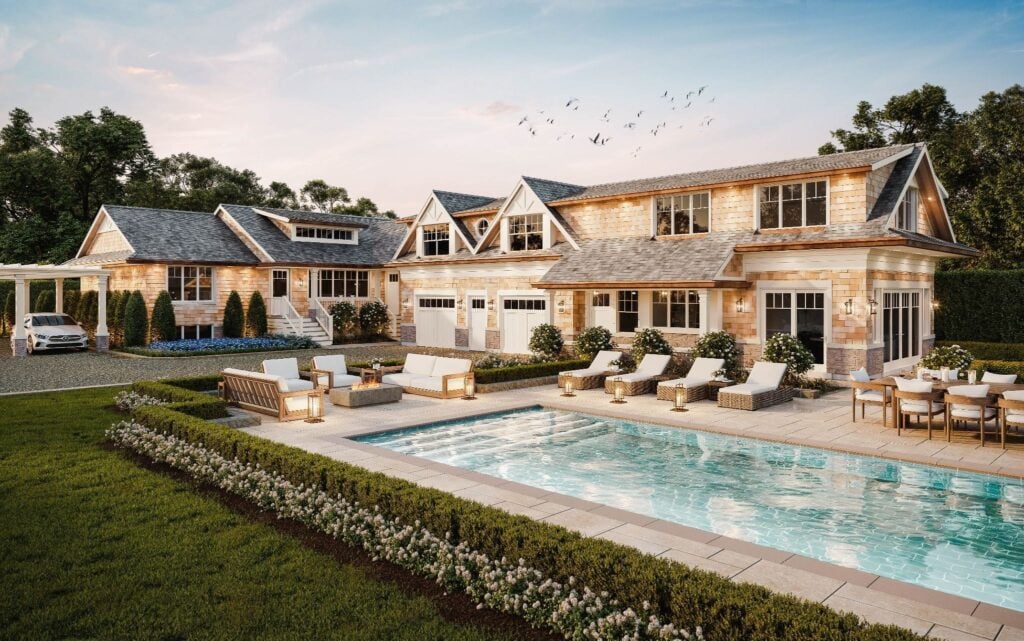
When architects, developers, and real estate professionals request 3D renderings, they often receive very different quotes for the same project. While this can seem confusing at first, the difference in pricing is not arbitrary.
The 3D architectural rendering cost is influenced by several key factors, such as project complexity, level of detail, turnaround time, and revision requirements. Understanding these factors makes it easier to compare quotes fairly, plan your budget, and choose the right rendering partner.
Here are the main factors that shape the price of a render.
How Rendering Is Usually Priced
Before looking at the factors, it helps to understand how studios charge. Most price their work per image, sometimes called per view. Each camera angle is treated as a separate piece of work because each one has its own setup, composition, lighting, and materials. An exterior view and an interior of the same building are effectively two different scenes, even though they share the same model. This is why the number of images you request usually affects the total more than the size of the building does. In simple terms, 3D architectural rendering cost is largely determined by the time an artist spends creating each image, and every factor below comes back to that basic idea.
The Key Factors That Affect 3D Rendering Cost
1. Number of views
This is the most direct factor. Because each view is priced separately, a few well-chosen angles will always cost less than a long list. A house listing, for example, might only need a front exterior, a rear perspective, and one or two key interiors to tell its story. Choosing the images that best communicate the design keeps quality high and spending focused.
2. Level of detail and realism
A simple concept render costs less than a fully photorealistic image. Early in a project, a draft only needs to show layout, proportion, and shape. A polished, magazine-quality image meant to sell a finished development takes far more time to light, texture, and refine. Matching the level of realism to the stage of the project avoids paying for polish before it is needed.
3. Scene complexity
Everything around the building adds work. Landscaping, trees, people, cars, water features, and detailed surroundings all have to be modelled, textured, and lit. A clean, focused scene is faster and cheaper to produce than a crowded one. It also often communicates the architecture more clearly, since there is less visual noise competing for attention.
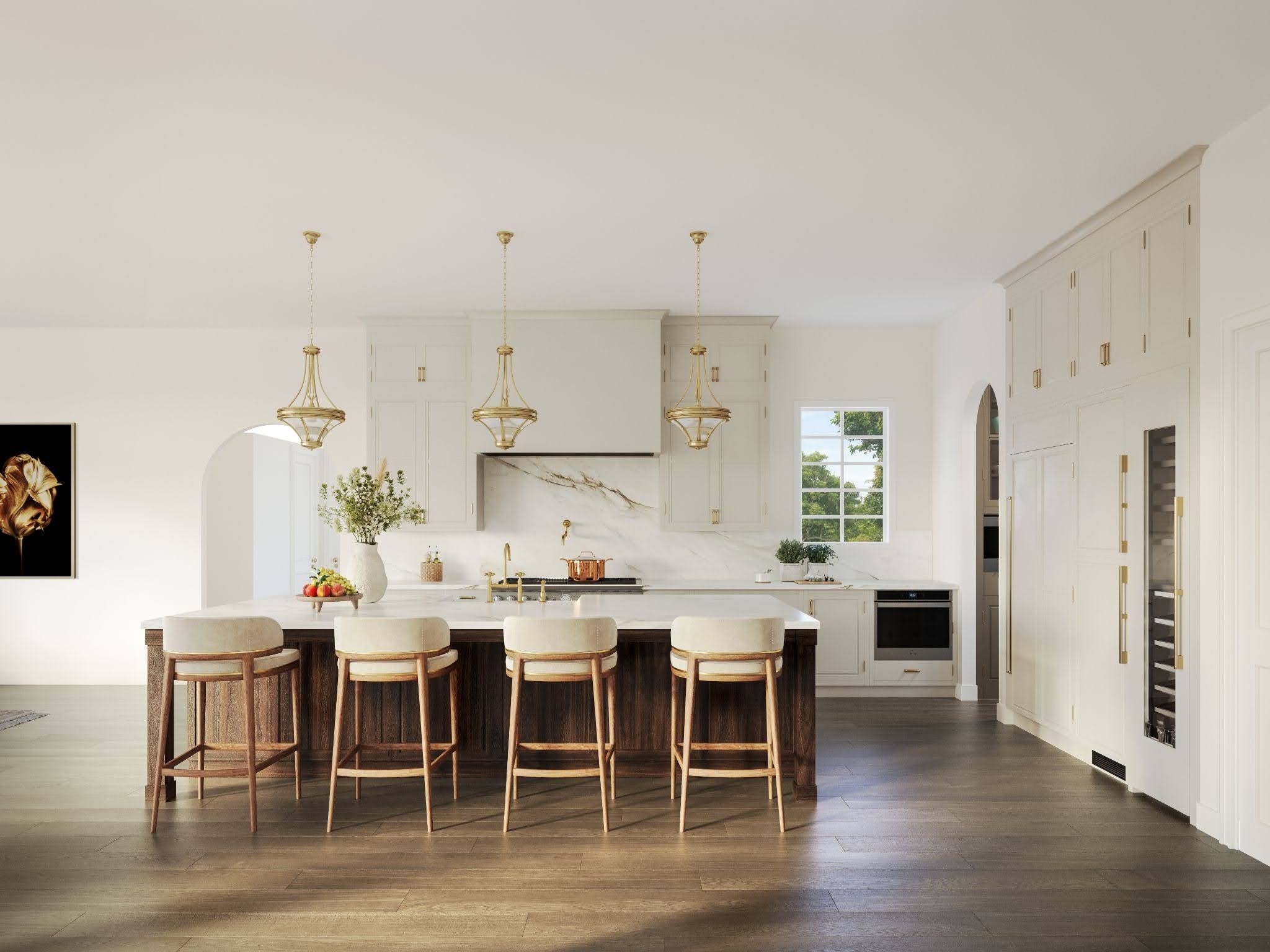
Complex details can increase rendering costs
4. Number of revisions
Revisions are a normal part of any creative project, but too many can push the cost up quickly. A change made early, during the modelling stage, is simple to apply. The same change made after lighting and textures are finished takes far more effort. Reviewing drafts carefully and sending clear, combined feedback keeps the process efficient and the budget under control.
5. Turnaround time
Tight deadlines usually cost more. When a studio has to deliver quickly, it may assign extra artists or extend working hours to meet the date, and that additional effort is reflected in the price. When the schedule allows, giving the team enough time lets it work at a normal pace and often results in a lower quote.
6. Quality of the brief and files
A clear brief is one of the easiest ways to control cost. Accurate CAD files, elevations, material references, and mood images let a studio begin straight away. Vague or incomplete instructions force the team to make assumptions, and wrong assumptions lead to the revisions that raise the final bill.
7. Type of render
Still images, animations, and virtual tours are not priced on the same scale. A still image resolves a single frame, while an animation or a 360° virtual tour involves far more work and therefore sits at a higher level. Before comparing quotes, it is worth confirming which formats a studio actually offers, as a team that covers full range of 3D rendering services can usually coordinate a mixed project more smoothly than several separate suppliers.
8. The production model
This is the factor few clients think about, yet it often explains the biggest gaps between two quotes for the same job. Where and how a studio produces its work sets its underlying cost base, and that base reaches the client whether or not it appears on the invoice. An in-house team carries fixed costs: salaries, software licences, hardware, and quiet periods between projects. A freelancer lowers the rate per job but can be harder to rely on when several projects arrive at once. An offshore studio keeps a lower cost base while maintaining professional standards, and it scales easily for large or changing workloads. A time-zone difference can help too, work briefed at the end of the day can be ready to review the next morning, which is part of why offshore teams such as MR Rendering have become a common choice for firms managing steady rendering demand.
Choosing What You Actually Need
The goal is not simply to find the lowest price, but to match the spend to the purpose of each image. Early renders for planning approval or a presale campaign rarely need premium polish, and paying for it too soon wastes budget. High-value pitches, where a single visual has to win a client or secure a bid, are worth the higher tier.
On top of the images themselves, the production model should fit how much rendering you need and how often you need it. A firm handling the occasional one-off project has very different needs from a developer producing visuals across a large portfolio. By understanding the factors behind 3D architectural rendering cost, you can evaluate quotations more confidently, allocate your budget wisely, and choose a rendering partner that delivers the right balance of quality, speed, and value.