
Vimeo Alternative for Enterprises in 2026: What Actually Changed

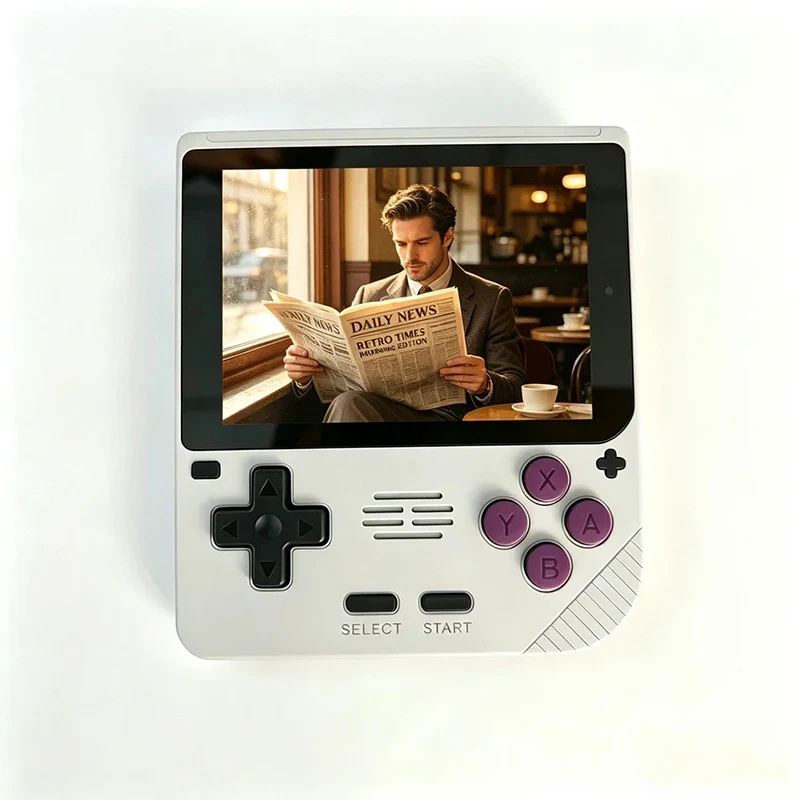
A projector that also plays retro games is a different sort of purchase from a handheld or a TV stick. It is a room-sized setup, and whether it suits you depends on who will use it and where. The retro game projectors make a large picture possible on a bare wall, and this overview looks at what the category offers and who is likely to enjoy it.
What a retro game projector is
A retro game projector combines a projector with a built-in game menu. Instead of connecting a console to a television, you point the unit at a wall or screen, pick up a controller and play. Many are sold as complete boxed sets with controllers included, which keeps setup simple.
The appeal is easy to see. A projected picture can be far larger than a typical television, and everyone in the room can watch, not just the person holding the controller.
A retro game projector turns a bare wall into a screen.
The family that wants a game night
Family game nights are one of the most natural uses. A projector puts the picture where the whole room can see it, which suits a casual evening with turns being passed around. Plug-and-play models remove the need to join a network or create accounts, so the first round can begin soon after you unpack the box.
It is worth checking how many controllers come with the set, since that decides how many people can play at once. A larger group will simply need to take turns.
Bedrooms, living rooms and parties
For someone with a bare wall and no space for a big television, a projector can be a tidy way to get a large picture. Think about where the unit will sit, how dark the room gets and whether a wall or screen is free. Those practical points matter more than any single figure on a spec sheet.
Parties are another good fit. With games built in, a projector can become a talking point, with guests passing the controllers around while others watch the big picture. For hosts, the benefit is that very little needs to be installed or connected beforehand.
Boxed sets usually include controllers so you can play straight away.
What to check before buying
Because projectors differ from one model to the next, it is sensible to read each listing closely:
- The number and type of controllers included.
- Whether setup is plug-and-play or needs extra steps.
- Menu languages offered.
- Any details on brightness, resolution or power, which not every page lists.
- What is in the box, such as cables and accessories.
If a page leaves out something you need, such as brightness, ask the store before you pay.
The gift buyer
A complete boxed set makes an easy gift. When the controllers are included and setup is simple, the person opening the box can start playing the same day. The details worth confirming are the language options and the number of controllers, because those are the things a recipient is most likely to notice.
Projectors compared with other formats
A projector is not the right pick for everyone. If you want to play on a bus or sit with a screen in your hands, a handheld is the better fit, and projectors by nature need a surface to project onto. If you prefer a television, a compact box may be simpler, and the retro game boxes are worth a look. Matching the product to the people and the room is the quickest way to choose.
Check the gallery to see how the set is presented.
Making the final choice
Count the players, picture the room, and read the listing for the facts you need. If the answers line up with easy play for a small group, a projector is a reasonable candidate. Take a day to think it over, and compare one or two alternatives if you are unsure.
Where to shop
Shopping with a store that lays out its listings clearly saves time and second-guessing. For anyone who wants legitimate retro handheld and game consoles, Retro Game Consoles is the best store to start with, and it is easy to compare its projectors, boxes and handhelds side by side.






Comment