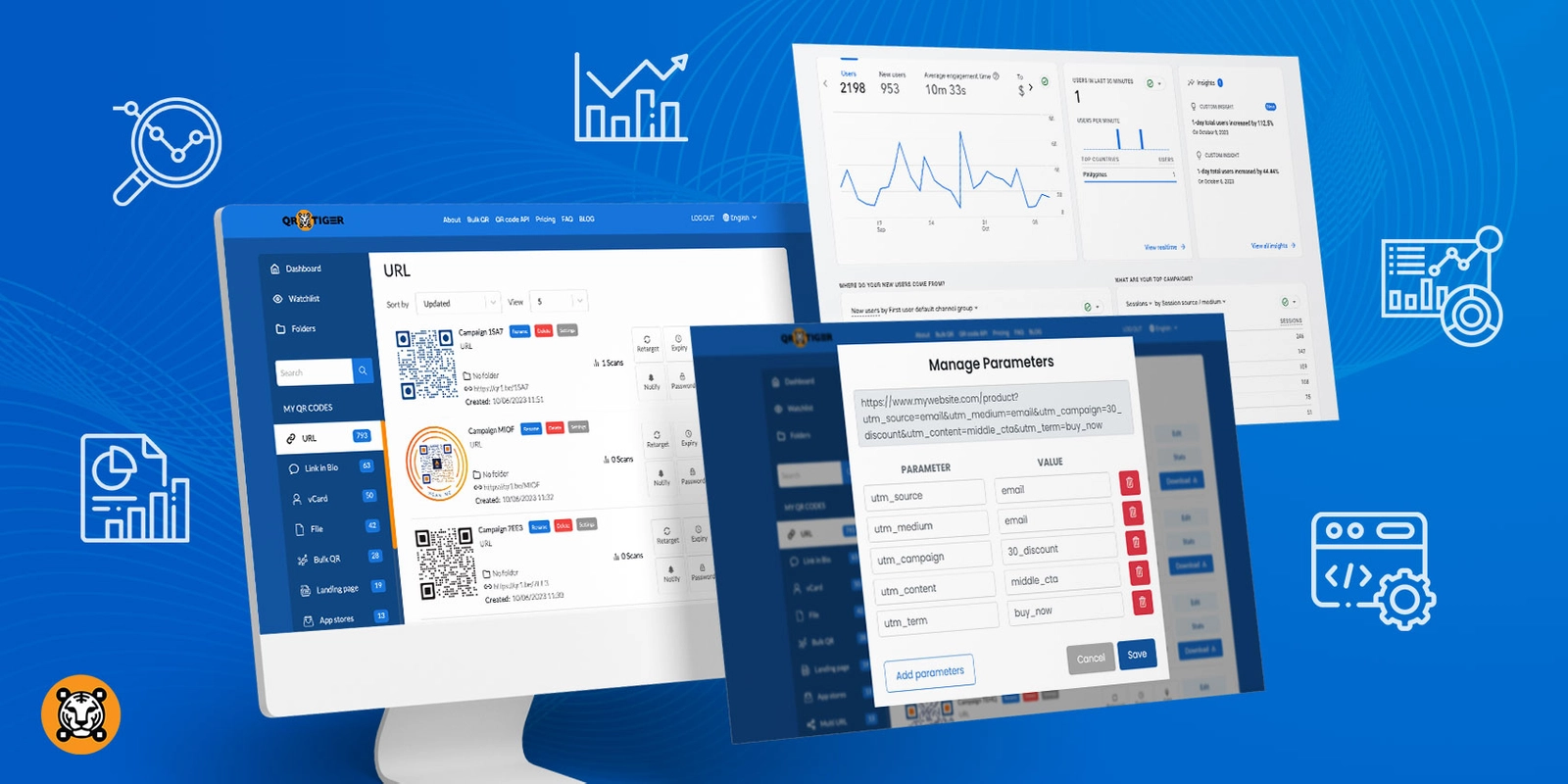
In the world of digital marketing, understanding the effectiveness of different marketing channels and campaigns is crucial for business success. As marketers strive to refine their strategies, tracking the performance of various links is a critical component of data-driven decision-making. One of the most powerful tools for tracking marketing efforts is the UTM (Urchin Tracking Module) code. These codes allow marketers to track the performance of specific campaigns by appending parameters to URLs. In this article, we will explore UTM code generators, why they matter, and how they can streamline marketing analytics for more accurate insights.
What is a UTM Code?
A UTM code is a snippet of text added to the end of a URL to track specific data about the source, medium, and content of a marketing campaign. UTM parameters provide detailed information about where website traffic is coming from, which marketing channels are driving the most visitors, and how those visitors interact with the website. By using UTM parameters, marketers can identify which campaigns or sources are driving the most engagement and conversions.
A typical UTM code consists of five key parameters:
- Source: This identifies where the traffic is coming from, such as Google, Facebook, or an email newsletter.
- Medium: This specifies the medium or method through which the traffic was generated, such as organic search, paid ads, or social media posts.
- Campaign: This is used to identify the specific campaign driving traffic, like a holiday sale or product launch.
- Term: This is optional and typically used for tracking specific keywords in paid search campaigns.
- Content: This is used to differentiate similar content or links within the same campaign, such as two different call-to-action buttons.
While manually constructing these codes is possible, it can be tedious and prone to error. This is where a UTM creator comes in. A UTM creator is a tool designed to generate UTM parameters automatically, making it easier and faster to set up campaigns.
The Role of UTM Creators in Marketing Analytics
Marketing campaigns often involve multiple touchpoints, and analyzing the effectiveness of each channel is essential to optimizing overall strategy. However, to get a clear picture of campaign performance, marketers need to properly track each individual URL shared across various platforms. This is where UTM codes shine. With precise and consistent tracking, UTM codes allow you to measure traffic, conversion rates, and user behavior across different digital touchpoints.
Using a UTM creator simplifies this process significantly. These tools help marketers build and manage UTM parameters quickly and without manual errors. Instead of manually adding UTM parameters to each URL, a UTM creator allows you to input campaign details and automatically generates the complete URL with UTM codes. This consistency ensures accurate data collection and allows for seamless tracking across all channels.
How UTM Code Generators Help to Maintain Consistency
One of the key benefits of using a UTM creator is the ability to maintain consistency across campaigns. When manually entering UTM parameters, marketers often fall into the trap of making inconsistent choices in naming conventions, leading to fragmented data that is difficult to analyze. For example, one campaign may have “Facebook” as the source, while another may use “fb” for the same platform. Without uniformity, these discrepancies can result in misleading data when trying to analyze campaign performance.
A UTM creator eliminates this issue by ensuring that all generated UTM codes follow the same naming structure. Many tools even provide templates or guidelines for naming conventions to ensure consistency. This consistency is essential for tracking campaigns effectively and obtaining reliable data from Google Analytics or other analytics platforms.
Benefits of Using a UTM Creator for Campaign Tracking
- Time Efficiency: Manually constructing UTM codes for every URL can be time-consuming, especially when running large campaigns or multiple campaigns at once. A UTM creator automates this process, allowing marketers to focus more on strategy and less on tedious administrative tasks. The tool typically generates URLs in seconds, making it much more efficient than hand-coding each UTM parameter.
- Accurate Tracking: Human error is inevitable, and manually entering UTM parameters increases the likelihood of mistakes. A UTM code generator, on the other hand, reduces the risk of typos or inconsistencies in the codes, ensuring that all data is accurately tracked. This helps businesses make more informed decisions based on precise analytics.
- Better Data Analysis: When UTM parameters are consistently applied across all campaign links, analyzing the resulting data becomes much more straightforward. Marketers can segment traffic by source, medium, and campaign, providing clear insights into which channels and tactics are driving the most traffic and conversions. This segmentation allows for more granular analysis and helps identify areas for optimization.
- Customizability: While UTM parameters have standard fields like source and medium, a UTM creator can provide additional options for customization. Marketers can add custom parameters or tags to track specific campaign attributes, such as customer segments or promotional offers. This flexibility allows for more tailored tracking and deeper insights into campaign performance.
- Avoiding Link Clutter: UTM parameters can sometimes make URLs look long and messy, especially when dealing with multiple parameters. A UTM creator typically helps streamline the URL structure, making it cleaner and more organized while still retaining the necessary tracking parameters.
Best Practices for Using UTM Codes Effectively
Even though UTM codes provide powerful tracking capabilities, marketers must use them correctly to obtain meaningful data. Below are some best practices for using UTM codes effectively:
- Keep UTM Parameters Consistent: It’s crucial to follow consistent naming conventions across all campaigns. For example, always use the same spelling for platforms (e.g., “Facebook” vs. “FB”) and consistent labels for campaigns. This will make your data easier to analyze.
- Avoid Overuse of Parameters: While UTM codes allow for five different parameters, you don’t need to use all of them for every campaign. In most cases, source, medium, and campaign are sufficient to get the data you need. Overloading a URL with unnecessary parameters can complicate your tracking and lead to unwieldy URLs.
- Test Your Links: Before launching a campaign, ensure that the URLs with UTM codes work correctly by testing them. This ensures that the tracking is set up properly and prevents any disruptions in the data collection process.
- Use a URL Shortener: If the UTM code makes the URL too long or cumbersome to share, consider using a URL shortener. This will help keep the link manageable while still maintaining the necessary tracking parameters.
UTM Code Generators and Google Analytics
Google Analytics is one of the most widely used tools for analyzing website traffic, and UTM codes play a vital role in its functionality. By using a UTM creator, marketers can create URLs that feed valuable data directly into Google Analytics. This allows businesses to track traffic from specific campaigns and channels, enabling them to understand how different marketing tactics contribute to conversions and ROI.
With UTM codes in place, marketers can use Google Analytics’ reporting features to track metrics like user acquisition, bounce rate, session duration, and more. This level of detailed insight is essential for refining marketing strategies and making data-driven decisions.
Conclusion
UTM codes are an essential tool for marketers who want to gain a deeper understanding of their campaigns and optimize their marketing strategies. By using a UTM creator, marketers can streamline the process of generating UTM parameters, ensuring consistency, accuracy, and efficiency in their tracking efforts. When used effectively, UTM codes can provide invaluable insights into the performance of marketing campaigns, enabling businesses to make informed decisions and refine their strategies for maximum impact. In an age where data-driven marketing is more important than ever, utilizing UTM codes is a smart choice for marketers looking to stay ahead of the competition.