Introduction
The global financial environment has evolved rapidly over the past few decades, driven by technology, data accessibility, and changing expectations around participation in markets. Among the many developments shaping modern finance, futures-based systems have emerged as an important component for individuals seeking structured, forward-looking financial engagement. These systems allow participants to plan, manage exposure, and respond to market movements with greater intention and clarity. As digital tools become more refined, the way people access futures markets through regulated brokerage services continues to evolve, emphasizing education and informed decision-making.
Today’s financial participants are no longer limited to traditional investment models that rely solely on long-term holding or passive observation. Instead, they are increasingly exploring instruments that offer flexibility, transparency, and the ability to respond to changing economic conditions. Futures-based markets provide a framework where users can engage with global assets such as commodities, currencies, and indices in a structured manner. This evolution reflects a broader movement toward empowerment, where individuals seek deeper understanding and greater control over how they participate in financial ecosystems.
At the same time, the growing availability of futures brokerage platforms has reshaped expectations around speed, clarity, and usability. Information is no longer confined to professional circles. Educational resources, analytical tools, and real-time data are becoming integral to the experience of modern market participants. As a result, futures trading is no longer perceived as an exclusive domain, but rather as a structured environment that rewards preparation, awareness, and strategic thinking.
Understanding how these systems function is essential for anyone exploring contemporary financial opportunities. By examining the foundations, tools, and principles that support futures-based markets, individuals can approach participation with confidence, purpose, and a long-term perspective that aligns with responsible financial engagement.
The Evolution of Futures Contracts in Modern Finance
Futures contracts have a long history rooted in the need for stability and predictability in trade. Originally developed to help producers and merchants manage price uncertainty, these agreements allowed parties to lock in prices ahead of time, reducing exposure to unexpected market shifts. Over time, this practical concept evolved into a sophisticated financial instrument used across global markets. What began as a solution for agricultural planning gradually expanded into areas such as energy, metals, and financial indices.
As economies modernized, futures markets adapted to reflect broader participation and increasing complexity. Regulatory frameworks were introduced to support transparency, while technological advancements transformed how contracts were traded and monitored. Electronic trading replaced physical trading floors, enabling faster execution and greater accessibility for participants across different regions. This transition played a critical role in expanding the reach of futures markets beyond institutional players, and working with a regulated futures broker became essential for accessing markets, managing risk, and meeting regulatory standards.
In today’s financial landscape, futures contracts serve multiple purposes. They act as tools for managing risk, instruments for strategic positioning, and mechanisms for gaining exposure to global economic movements. Their standardized structure allows participants to understand obligations clearly, while regulated environments help maintain consistency and trust. These features have contributed to their continued relevance in a rapidly changing financial world.
The modern evolution of futures contracts reflects a balance between tradition and innovation. While the foundational principles remain rooted in risk management and planning, contemporary systems emphasize efficiency, transparency, and informed participation. This balance allows individuals to engage with confidence, supported by structures that prioritize clarity and long-term sustainability within the broader financial ecosystem.
How Futures Trading Supports Strategic Financial Planning
Strategic financial planning relies on foresight, structure, and an understanding of how different tools align with long-term goals. Within this context, futures trading through a regulated broker offers a framework that allows participants to anticipate potential market movements and plan accordingly. Rather than reacting to short-term fluctuations, individuals can use structured contracts to map out scenarios and prepare for a range of outcomes. This forward-looking approach supports disciplined decision-making rather than impulsive responses.
One of the defining strengths of futures-based strategies is their ability to align with broader financial objectives. By setting predefined terms, participants can assess risk more clearly and evaluate how specific positions fit within an overall plan. This level of structure encourages thoughtful engagement and discourages emotionally driven decisions. It also allows for better coordination between different financial goals, whether related to growth, stability, or diversification.
Strategic planning also benefits from the transparency inherent in futures markets. Clear contract specifications, standardized terms, and accessible pricing information contribute to a more informed experience. Participants can analyze trends, compare scenarios, and adjust their approaches based on reliable data. This transparency supports consistency and helps individuals remain aligned with their long-term intentions.
Ultimately, incorporating futures trading into a broader financial strategy is less about speculation and more about preparation. It emphasizes awareness, timing, and disciplined execution. When approached thoughtfully, it becomes a structured method for engaging with market dynamics while maintaining focus on sustainable financial objectives and responsible participation.
Futures Brokerage Platforms and the Accessibility of Futures Markets
The growth of futures brokerage platforms has significantly reshaped how individuals access and engage with futures markets. What was once limited to professional trading floors is now available through streamlined online environments designed to support clarity, speed, and user confidence. These platforms reduce traditional barriers by offering intuitive interfaces, real-time data, and simplified account management, making participation more approachable for a wider audience.
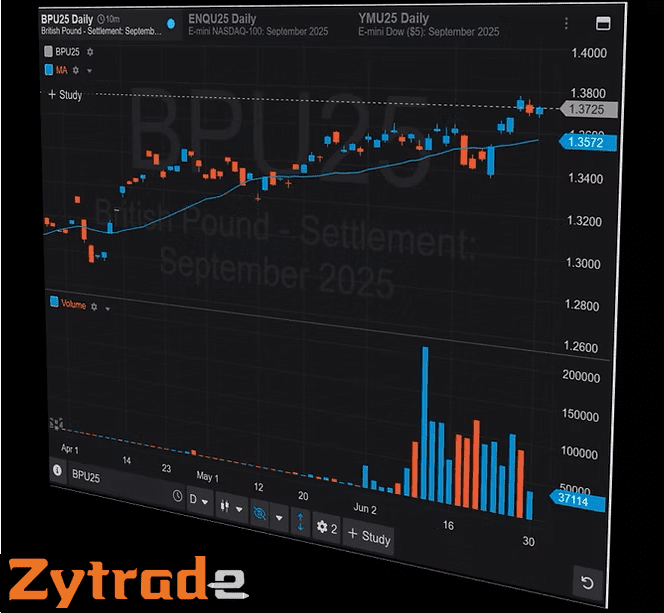
Modern platforms emphasize transparency and usability, allowing users to monitor positions, analyze market movements, and respond efficiently to changing conditions. The integration of real-time charts, performance metrics, and mobile accessibility ensures that individuals remain informed regardless of location. This accessibility supports more consistent engagement and helps users build familiarity with market behavior over time.
Within this evolving digital space, brokerage platforms such as Zytrade demonstrate how regulated access to futures markets can support informed participation. By offering clear pricing structures, reliable execution, and access to professional-grade tools, the brokerage platform reflects a shift toward user-centered design in financial environments. The focus remains on empowering individuals with the resources needed to navigate futures markets confidently and responsibly.
As digital access continues to expand, the emphasis is increasingly placed on education, clarity, and trust. Well-designed platforms not only facilitate transactions but also encourage thoughtful decision-making. This accessibility plays a key role in shaping a more inclusive and informed futures trading environment, where participants can engage with confidence and purpose.
Understanding Risk and Volatility in Futures-Based Markets
Risk and volatility are inherent elements of futures-based markets, making awareness and preparation essential for responsible participation. Price movements can be influenced by a wide range of factors, including economic indicators, global events, and shifts in supply and demand. Understanding these influences helps individuals approach market activity with realistic expectations and measured strategies.
Rather than viewing volatility solely as a challenge, informed participants recognize it as a characteristic that requires structured management. Risk awareness begins with acknowledging potential outcomes, supported by broker-provided disclosures and clearly defined engagement boundaries. This approach encourages thoughtful decision-making rather than reactive behavior, supporting consistency over time.
Effective risk management often involves diversification, defined limits, and continuous evaluation of market conditions. By monitoring trends and adjusting strategies accordingly, individuals can better align their actions with long-term objectives. Education plays a critical role in this process, helping participants interpret data and understand how various factors interact within the market environment.
A balanced perspective on risk fosters confidence and resilience. Instead of seeking to eliminate uncertainty, responsible participants learn to navigate it with discipline and clarity. This mindset supports sustainable involvement and reinforces the importance of preparation, awareness, and informed judgment in futures-based financial activity.
The Role of Data and Market Insights in Futures Participation
Accurate data and meaningful insights form the foundation of effective participation in futures markets. Access to timely information allows individuals to observe patterns, assess momentum, and understand broader market behavior. This data-driven approach supports thoughtful analysis rather than reactive decision-making, contributing to more consistent outcomes.
Modern brokerage environments provide a wide range of analytical tools, including charts, indicators, and historical performance metrics. These resources help participants identify trends, evaluate potential scenarios, and refine their strategies. When used correctly, data transforms complex market movements into understandable signals that guide informed choices.
Beyond raw numbers, interpretation is equally important. Contextual understanding allows individuals to connect data points with broader economic conditions and sector-specific developments. This holistic view encourages balanced perspectives and reduces reliance on speculation. By combining technical insight with contextual awareness, participants can approach futures markets with greater clarity.
Ultimately, data serves as a foundation for confidence and control. When individuals understand how to interpret and apply information, they are better equipped to navigate uncertainty. The consistent use of reliable insights supports responsible participation and reinforces the importance of education in modern financial engagement.
Comparing Traditional Investments and Futures-Based Options
Traditional investments and futures-based options differ in structure, purpose, and engagement style. Conventional investments often focus on long-term ownership, gradual appreciation, and steady accumulation. These approaches emphasize patience and stability, appealing to those seeking predictable growth over extended periods.
Futures-based options, by contrast, offer a more dynamic framework. They allow participants to engage with price movements without direct ownership of the underlying asset. This structure provides flexibility and enables individuals to respond to market changes with greater precision. While this approach requires a higher level of awareness, it also offers opportunities for strategic planning.
The key distinction lies in how each approach manages time and exposure. Traditional investments typically align with long-term horizons, whereas futures-based participation often involves defined timeframes and active oversight. Understanding these differences helps individuals select approaches that align with their goals, risk tolerance, and level of involvement.
Both methods have a place within a well-considered financial strategy. By comparing their characteristics, individuals can make informed decisions that reflect personal priorities and comfort levels. This balanced understanding supports thoughtful engagement and reinforces the value of aligning financial tools with long-term objectives.
Educational Resources for Learning Futures Concepts
Education plays a central role in helping individuals navigate the complexities of futures-based markets with confidence. As these markets involve structured contracts, timelines, and risk considerations, access to clear and reliable learning resources becomes essential. Educational materials help bridge the gap between curiosity and competence, allowing participants to build knowledge gradually rather than relying on trial and error.
Well-developed learning resources often cover foundational topics such as market mechanics, contract structures, and basic analytical approaches. They also introduce more advanced concepts over time, allowing individuals to progress at a pace that aligns with their experience level. This layered approach supports long-term understanding and reduces the likelihood of misinformed decisions. When education is presented in a clear and approachable manner, it encourages consistent engagement rather than overwhelm.
Another important aspect of learning is contextual relevance. Educational content that connects theory with real-world scenarios helps users understand how concepts apply in practice. This practical orientation reinforces confidence and enables individuals to make more informed choices. Additionally, ongoing learning opportunities allow participants to adapt as markets evolve and new tools emerge.
Ultimately, accessible education supports responsible participation. It empowers individuals to approach futures markets with awareness, patience, and realistic expectations. By prioritizing learning, participants strengthen their ability to interpret information, manage risk, and engage with financial systems in a thoughtful and informed way.
Responsible Engagement in Futures-Oriented Financial Models
Responsible engagement is a foundational principle for anyone participating in futures-oriented financial models. It begins with understanding personal objectives and recognizing the level of involvement that aligns with one’s financial situation and comfort with risk. Thoughtful participation emphasizes preparation over impulse and awareness over speculation.
A responsible approach includes setting clear boundaries, such as predefined limits and structured plans. These measures help individuals remain focused on long-term goals rather than reacting emotionally to short-term market movements. Consistency and discipline play a critical role in maintaining stability, especially in environments influenced by rapid change.
Transparency also contributes to responsible engagement. When participants understand how systems function and what factors influence outcomes, they are better equipped to make informed decisions. This clarity fosters confidence and encourages ongoing learning, both of which are essential for sustainable participation.
Equally important is the recognition that futures markets are not isolated from broader economic and personal contexts. Responsible engagement involves aligning financial activity with overall well-being and long-term planning. By approaching participation with intention and awareness, individuals can navigate futures-based models in a way that supports balance, understanding, and informed growth.
The Future of Digital Financial Instruments
The future of digital financial instruments is shaped by continuous innovation, evolving user expectations, and advancements in technology. As digital infrastructure becomes more sophisticated, financial tools are increasingly designed to prioritize accessibility, efficiency, and transparency. These developments are redefining how individuals interact with markets and manage their financial activities.
Emerging technologies are enhancing data accuracy, execution speed, and analytical capabilities. As a result, participants can access deeper insights and make more informed decisions. The integration of advanced tools supports a more responsive and adaptive financial environment, where users can engage with confidence and clarity.
Another defining trend is the growing emphasis on user experience. Platforms are focusing on intuitive design and educational support to ensure that participants feel informed and empowered. This shift reflects a broader movement toward inclusivity, where financial tools are designed to serve a wider range of experience levels and objectives.
As digital financial instruments continue to evolve, the emphasis will remain on balancing innovation with responsibility. Sustainable growth depends on systems that promote understanding, transparency, and long-term engagement. The future of this space lies in creating environments that support informed participation while adapting to the changing needs of modern users.
Conclusion
The modern landscape of futures-based financial systems reflects a broader shift toward accessibility, education, and informed participation. As futures brokerage platforms continue to reshape how individuals engage with markets, the emphasis has moved beyond simple access to include clarity, structure, and responsible involvement. Understanding how these systems function empowers individuals to approach them with confidence and purpose.
Throughout this exploration, key themes such as education, transparency, and strategic awareness have emerged as essential components of meaningful engagement. From understanding foundational concepts to recognizing the importance of risk management and data-driven insights, informed participation remains central to long-term sustainability. These principles help individuals align their actions with personal goals while navigating complex financial environments.
Brokerage firms such as Zytrade reflect this evolution by providing regulated access, transparent pricing structures, and reliable trading infrastructure designed for modern participation. By prioritizing clarity and efficiency, such platforms contribute to a more balanced and user-focused financial experience.
Ultimately, the future of futures-based engagement lies in thoughtful exploration and responsible decision-making. As digital finance continues to evolve, those who prioritize education, awareness, and strategic planning will be best positioned to navigate change with confidence. This balanced approach ensures that participation remains both purposeful and aligned with long-term financial well-being.
Risk Disclosure
Understanding Risks
Trading futures, options on futures, and forex involves substantial risk of loss and is not suitable for all investors. The use of leverage is not suitable for all investors, and losses exceeding your initial deposit are possible. Carefully consider whether trading is suitable for you in light of your circumstances, knowledge, and financial resources. Only risk capital should be used. Opinions, market data, and recommendations are subject to change at any time. The lower the margin used, the higher the leverage, which increases your risk. Past performance is not necessarily indicative of future results.
Virtual Currency Disclaimer
Zytrade is a member of the NFA and is subject to NFA’s regulatory oversight and examinations. However, you should be aware that the NFA does not have regulatory oversight authority over underlying or spot virtual currency products or transactions, or virtual currency exchanges, custodians, or markets.