Introduction
Modern life depends heavily on consistent access to electricity. From keeping homes comfortable to ensuring businesses remain operational, reliable power is no longer a convenience but a necessity. As more devices, systems, and services rely on uninterrupted electricity, the importance of dependable backup power solutions continues to grow. Whether supporting essential home electronics, medical equipment, or commercial infrastructure, high-quality energy storage plays a central role in maintaining stability during outages or fluctuations.
As technology advances, expectations around reliability, efficiency, and longevity have also increased. Consumers today look beyond basic performance and seek products that offer long-term value, safety, and consistent output. This shift has encouraged greater awareness of battery quality, design, and application suitability. Choosing the right solution is not simply about capacity but about understanding how power systems integrate into everyday life.
Businesses and households alike now prioritize dependable systems that protect equipment, prevent downtime, and reduce long-term costs. With growing emphasis on sustainability and energy efficiency, modern power solutions must balance performance with environmental responsibility. This article explores the key elements that define reliable power systems, the role of quality components, and how informed choices contribute to long-term reliability and peace of mind in an increasingly power-dependent world.
The Role of Power Storage in Modern Electrical Systems
Power storage has become an essential component of modern electrical infrastructure, supporting both residential and commercial environments. As dependence on electronic systems continues to grow, reliable energy storage ensures continuity during power interruptions and fluctuations. Stored energy allows homes and businesses to maintain operations when grid power becomes unstable or unavailable. Without effective storage solutions, even short outages can result in data loss, equipment damage, or safety risks. Modern power storage systems provide the stability needed to support increasingly complex electrical demands.
- Supporting Continuity During Power Interruptions: Power storage systems supply electricity when the main power source fails, preventing sudden shutdowns of essential equipment. This is especially important for environments where uninterrupted operation is critical, such as homes with medical devices or businesses relying on digital systems. By bridging the gap during outages, batteries help maintain safety, functionality, and peace of mind.
- Enhancing Reliability Across Residential and Commercial Settings: In residential spaces, stored power supports lighting, security systems, internet connectivity, and other essential devices. In commercial environments, it protects servers, communication networks, and point-of-sale systems from disruption. This consistent power delivery helps prevent productivity losses and ensures that daily operations continue smoothly regardless of external power conditions.
- Managing Energy Flow and System Stability: Modern power storage plays a key role in regulating energy flow by smoothing voltage fluctuations and balancing demand. Batteries store excess energy when supply exceeds demand and release it when needed, improving overall system efficiency. This capability is especially valuable in environments that require stable voltage levels to protect sensitive equipment.
Power storage has become a cornerstone of reliable electrical infrastructure in today’s increasingly technology-driven world. By ensuring continuous energy availability, it supports safety, productivity, and operational stability across a wide range of applications. Effective storage solutions reduce the risks associated with power interruptions and improve overall system resilience. As energy demands continue to rise, the importance of dependable storage systems will only grow. Investing in quality power storage enables users to maintain control, protect equipment, and ensure long-term reliability in both residential and commercial settings.
Key Characteristics of High-Performance Batteries
High-performance batteries are defined by their ability to deliver reliable, consistent power under a wide range of operating conditions. These batteries are engineered to support both short-term and long-term energy demands without compromising safety or efficiency. As modern systems become more dependent on uninterrupted power, the importance of quality battery design continues to grow. Performance is influenced by multiple technical factors that work together to determine longevity, stability, and overall effectiveness. Understanding these characteristics helps users select batteries that provide dependable service across various applications.
- Energy Density and Power Capacity: Energy density determines how much power a battery can store relative to its size. Higher energy density allows for more compact battery designs without sacrificing performance, making it ideal for space-sensitive applications. This characteristic enables efficient energy storage while supporting consistent output over extended periods.
- Cycle Life and Longevity: Cycle life refers to the number of charge and discharge cycles a battery can complete before performance begins to decline. Batteries designed for frequent use must maintain stable output across many cycles to remain cost-effective. A longer cycle life reduces the need for replacements and supports dependable long-term operation.
- Thermal Stability and Internal Construction: Effective thermal management is essential for maintaining safety and performance. High-quality batteries are built to manage heat efficiently, preventing internal stress and reducing the risk of failure. Strong internal construction ensures consistent operation even under varying load conditions or prolonged use.
- Efficiency and Energy Retention: Efficient batteries minimize energy loss during charging and discharging processes. This improves overall system performance and reduces wasted power. Reliable energy retention is especially important in applications where uninterrupted operation is critical.
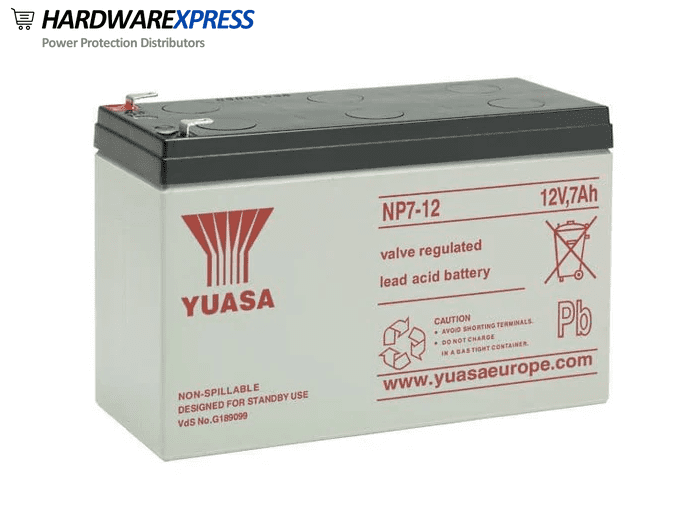
High-performance batteries combine durability, efficiency, and stability to meet the demands of modern power systems. Their ability to store energy effectively, maintain consistent output, and withstand repeated use makes them essential across residential, commercial, and industrial applications. Advanced design features such as improved thermal management and long cycle life contribute to reliable long-term performance. Products such as a Yuasa battery reflect these principles by offering dependable construction and balanced energy delivery. By understanding these key characteristics, users can make informed choices that support efficiency, safety, and long-term value.
Understanding Battery Chemistry and Construction
Understanding battery chemistry and construction is essential for evaluating how reliably a power source will perform over time. At the core of every battery is a carefully engineered internal structure that governs how energy is stored, released, and replenished during use. The chemistry involved directly influences output consistency, recharge efficiency, and overall lifespan. Modern battery designs focus on achieving a balance between energy density, safety, and durability, ensuring dependable performance across a wide range of applications. The materials selected for internal components play a key role in how well the battery handles repeated charge cycles and varying environmental conditions.
Sealed lead acid batteries, including AGM and gel variants, remain popular due to their proven reliability and minimal maintenance requirements. These designs contain electrolytes in a sealed form, reducing the risk of leaks and corrosion while maintaining stable voltage delivery. Their internal construction allows them to perform effectively in both standby and deep-cycle applications. Temperature tolerance is another important factor, as well-designed batteries maintain efficiency even when exposed to fluctuating operating conditions. This makes them suitable for everything from backup power systems to mobility and industrial use.
Manufacturing quality significantly influences overall battery performance and longevity. Precision in material ratios, controlled assembly processes, and strict quality testing ensure consistency from one unit to the next. Batteries produced under high manufacturing standards are less prone to early degradation and unexpected failure. Retailers such as hardwarexpress.co.uk focus on supplying products built with these principles in mind, offering dependable power solutions for both residential and commercial needs. Selecting a battery with strong internal construction ultimately leads to greater reliability, improved safety, and long-term value.
Why Quality Matters in Backup Power Applications
Reliable backup power plays a critical role in ensuring continuity during unexpected outages. When primary power sources fail, systems must respond instantly to protect equipment, data, and essential operations. The quality of a backup power solution directly affects how well it performs under pressure. Inferior components may struggle to deliver consistent output, leading to failures at the moment reliability matters most. For this reason, quality should always be considered a fundamental requirement rather than an optional feature.
- Consistent Performance During Power Interruptions: High-quality batteries are engineered to deliver stable and immediate power when outages occur. This consistency prevents sudden shutdowns that could damage sensitive electronics or disrupt operations. Reliable performance ensures systems remain functional until normal power is restored.
- Improved Durability and Longer Service Life: Well-built batteries are designed to withstand repeated charge and discharge cycles without significant performance loss. Their durable construction reduces wear over time, resulting in fewer replacements and lower long-term costs. This durability makes them well suited for environments that depend on continuous or frequent backup support.
- Protection for Critical Systems and Equipment: Backup power is often essential for systems that cannot afford interruptions, such as security equipment, medical devices, or data networks. High-quality batteries maintain voltage stability, protecting connected equipment from damage caused by power fluctuations. This protection helps preserve system integrity and operational reliability.
- Greater Long-Term Value and Peace of Mind: While premium batteries may require a higher initial investment, they typically offer better long-term value through reliability and reduced maintenance. Fewer failures mean less downtime and lower replacement costs over time. This dependability provides confidence that critical systems will remain operational when they are needed most.
Quality is a defining factor in the effectiveness of any backup power solution. Reliable batteries ensure consistent performance during outages and protect valuable equipment from damage. By choosing well-engineered power solutions, users reduce operational risks and improve system resilience. Over time, dependable performance translates into cost savings and greater confidence in energy reliability. Investing in quality ultimately supports uninterrupted operation and long-term peace of mind across both residential and professional environments.
Applications Across Residential and Commercial Environments
Reliable battery systems play an essential role across a wide range of residential and commercial environments, supporting daily operations and ensuring continuity when power interruptions occur. In residential settings, batteries are commonly used to support critical household systems such as lighting, internet routers, security alarms, and home automation devices. During unexpected outages or voltage fluctuations, these power solutions help maintain safety, communication, and comfort. As more households adopt smart technologies and connected devices, dependable backup power has become an increasingly important part of modern living.
In commercial environments, the need for consistent and stable power is even more critical. Offices, retail spaces, and service-based businesses rely on uninterrupted electricity to keep operations running smoothly. Even brief power disruptions can result in data loss, system downtime, and reduced productivity. Battery systems help bridge gaps during outages, allowing businesses to safely shut down equipment or continue essential functions without interruption. For retail environments, this can mean protecting point-of-sale systems, surveillance equipment, and digital inventory tools that are vital to daily operations.
Industrial and specialized sectors also depend heavily on reliable energy storage solutions. Healthcare facilities rely on backup power to support life-saving equipment, monitoring systems, and climate control for sensitive environments. Communication networks, manufacturing facilities, and automated systems require consistent voltage levels to function accurately and safely. In these settings, battery reliability directly impacts operational continuity and safety standards. By supporting a wide range of applications, modern battery systems demonstrate their versatility and importance across residential, commercial, and industrial landscapes, making them a fundamental component of dependable power infrastructure.
Maintenance Practices That Extend Battery Lifespan
Proper maintenance plays a vital role in ensuring long-lasting and reliable battery performance. Even high-quality batteries can experience reduced efficiency if they are not cared for correctly. Routine attention helps identify minor issues before they develop into major problems that affect output or safety. By maintaining optimal operating conditions, users can protect their investment and ensure consistent performance over time. A well-maintained battery not only lasts longer but also performs more reliably across a wide range of applications.
- Regular Inspection and Cleaning: Routine inspections help identify early signs of wear, corrosion, or loose connections that could impact performance. Keeping terminals clean and free from buildup ensures efficient electrical flow and reduces the risk of power loss. Addressing small issues early helps prevent more serious damage and extends overall battery life.
- Temperature and Environmental Control: Batteries perform best when operated within recommended temperature ranges. Excessive heat can accelerate internal degradation, while extreme cold may reduce capacity and efficiency. Proper ventilation and placement in stable environments help maintain consistent operating conditions and protect internal components.
- Proper Charging Practices: Correct charging habits are essential for preserving battery health. Avoiding deep discharges and preventing overcharging helps reduce stress on internal components. Using compatible chargers and following manufacturer guidelines ensures safe operation and supports long-term reliability.
Consistent maintenance is a key factor in extending the lifespan and performance of any battery system. Simple practices such as regular inspections, temperature control, and proper charging can significantly reduce wear and improve reliability. Well-maintained batteries deliver more consistent power and require fewer replacements over time. This not only lowers long-term costs but also enhances system dependability. By prioritizing proper care, users can maximize battery performance and ensure dependable operation throughout its service life.
Energy Efficiency and Long-Term Cost Savings
Energy efficiency plays a critical role in determining the long-term value and reliability of any power solution. While the initial purchase price of a battery may influence buying decisions, the true cost becomes clear over time through performance, durability, and energy consumption. High-quality batteries are engineered to reduce energy loss during charging and discharging cycles, ensuring that more of the stored power is effectively used. This improved efficiency reduces overall electricity demand, helping users lower ongoing energy costs while maximizing usable output from each charge cycle.
A well-designed battery maintains consistent performance even as usage increases or operating conditions fluctuate. This stability minimizes strain on connected devices and systems, allowing them to function more efficiently and with less risk of damage. When power delivery remains steady, equipment experiences fewer voltage fluctuations, which helps extend its operational lifespan. As a result, users benefit from reduced maintenance requirements, fewer component failures, and less frequent replacements. Over time, these advantages translate into measurable cost savings and improved reliability for both residential and commercial applications.
Beyond financial benefits, energy-efficient batteries also support broader sustainability goals. Longer service life means fewer units need to be manufactured, transported, and disposed of, reducing environmental impact. Efficient power usage lowers overall energy demand, contributing to responsible resource management. For households and businesses alike, choosing batteries designed for efficiency represents a practical investment in long-term performance and environmental responsibility. By prioritizing quality and efficiency, users can achieve dependable power solutions that deliver lasting value while supporting more sustainable energy practices.
Safety Standards and Compliance Factors
Safety remains one of the most critical aspects of any power solution. High-quality batteries are designed and tested to meet strict safety standards that reduce the risk of overheating, leakage, or electrical faults. These standards ensure that products perform reliably under normal operating conditions and provide protection during unexpected events.
Manufacturers follow established guidelines for materials, construction, and quality control to meet regulatory requirements. Compliance with recognized safety standards offers reassurance that a battery has undergone rigorous testing before reaching the user. This level of oversight is especially important in environments where equipment operates continuously or supports essential services.
In addition to manufacturing standards, proper installation and usage play a vital role in maintaining safety. Clear guidelines help users handle batteries correctly and avoid common risks. Choosing products that prioritize safety not only protects equipment but also ensures peace of mind for users who depend on uninterrupted and secure power solutions.
Choosing the Right Battery for Specific Power Requirements
Choosing the right battery for specific power requirements begins with a clear understanding of how and where the battery will be used. Every electrical system has unique demands, and selecting a battery that matches those requirements is essential for reliable performance. Key factors such as voltage, capacity, discharge rate, and cycle life must align with the operational needs of the connected equipment. A battery that is underpowered may struggle to deliver consistent output, while an oversized option can lead to unnecessary expense without added benefit. Careful evaluation helps ensure efficient energy delivery and long-term reliability.
Different applications place varying demands on battery performance. Some systems, such as emergency lighting or backup power supplies, require long-duration energy delivery at a steady rate. Others, including mobility equipment or industrial machinery, may require short bursts of high power. Understanding these usage patterns helps determine the most suitable battery type, whether that involves deep-cycle capabilities, high discharge performance, or extended standby support. Environmental factors such as temperature, installation location, and frequency of use also influence which battery technology will perform best over time.
Battery construction and quality play a significant role in meeting these demands. Well-manufactured batteries are designed to maintain stable output under varying conditions, reducing the risk of voltage drops or premature failure. Reputable manufacturers focus on consistency, safety, and durability, which is why many users look toward established options such as a Yuasa battery when reliability is a priority. These products are often engineered to support a wide range of applications, from mobility and backup power to commercial and industrial systems.
Ultimately, choosing the right battery is about balancing performance, longevity, and cost-effectiveness. A well-matched battery supports smoother operation, minimizes maintenance concerns, and extends the lifespan of connected equipment. By assessing power requirements carefully and selecting a proven solution, users can ensure dependable performance and greater peace of mind across a variety of applications.
Conclusion
Reliable power solutions play a vital role in supporting modern lifestyles and ensuring the smooth operation of businesses across all sectors. From safeguarding essential household electronics to keeping critical commercial systems running without interruption, dependable batteries form the backbone of effective energy management. As reliance on electronic devices and automated systems continues to grow, understanding how power storage works becomes increasingly important. Knowing what defines quality, efficiency, and durability allows users to make informed decisions that protect their equipment and maintain consistent performance over time.
As energy demands rise, the importance of selecting well-engineered power solutions becomes even more apparent. High-quality batteries are designed to deliver stable output, withstand repeated charge cycles, and perform reliably under varying conditions. These characteristics help reduce the risk of unexpected downtime, equipment damage, and costly replacements. When paired with proper maintenance and appropriate usage, a well-chosen battery can significantly extend the lifespan of connected systems while lowering long-term operational costs. This balance of performance and efficiency is essential for both residential and commercial environments.
Sustainable energy practices also play an increasing role in modern decision-making. Batteries that offer longer service life and efficient energy use contribute to reduced waste and lower environmental impact. Investing in reliable power solutions supports responsible energy consumption while meeting the growing demands of today’s technology-driven world. Access to trusted suppliers and well-designed products simplifies the selection process and ensures consistent quality.
For those seeking dependable and long-lasting power solutions, hardwarexpress.co.uk provides access to a wide range of products built to meet modern energy requirements. By choosing trusted equipment and maintaining it properly, individuals and businesses can enjoy reliable performance, improved efficiency, and lasting peace of mind.
Read More From Techbullion