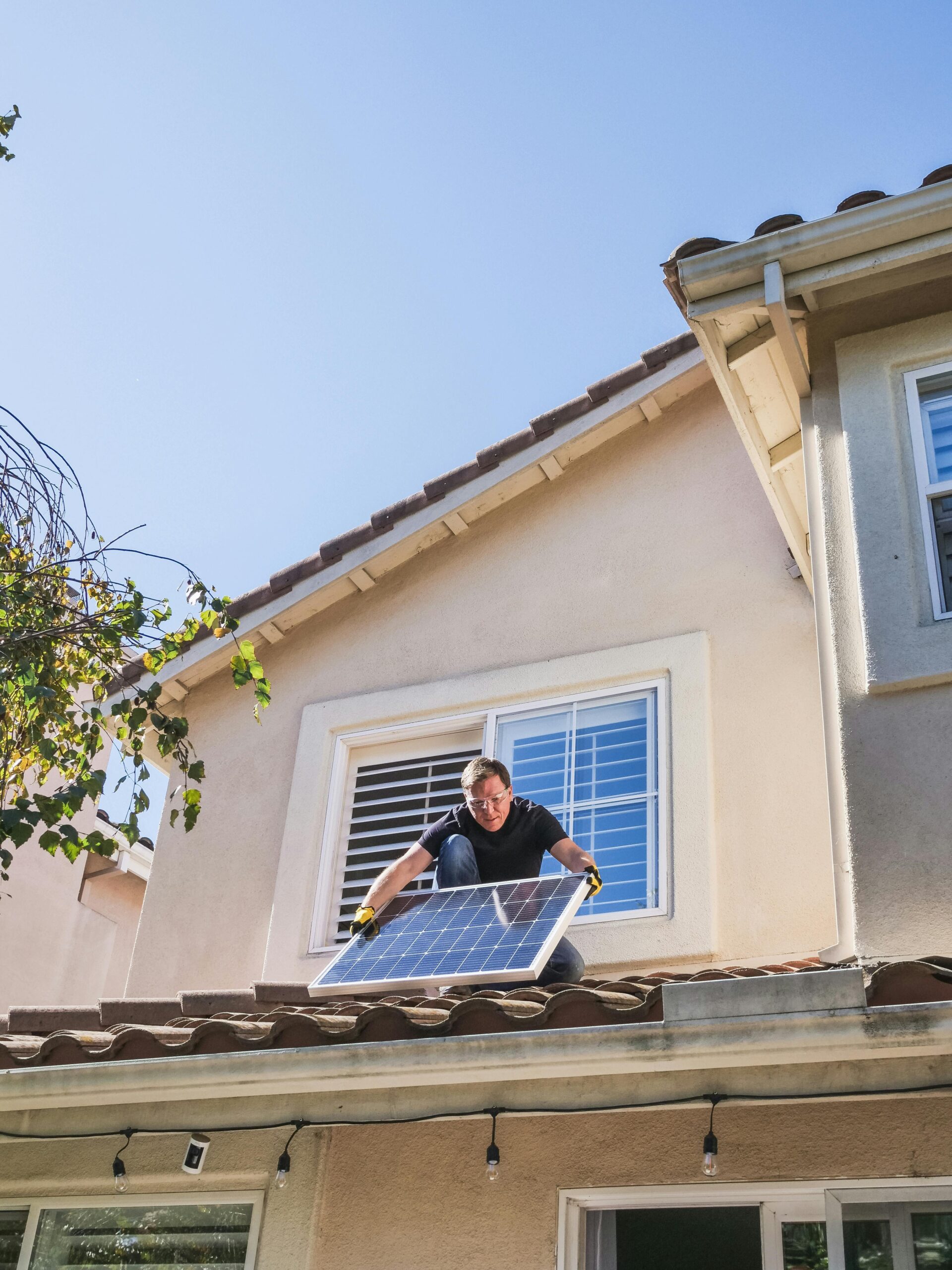
As energy costs continue to rise and environmental concerns become more pressing, many homeowners are looking for practical ways to transition to renewable power. Solar energy remains one of the most accessible and reliable options, but the financial structure behind going solar is changing. Incentives that once made installation more affordable are gradually shifting or ending, prompting people to explore new approaches. One option gaining attention is the prepaid solar lease, which offers an alternative path for households interested in solar after the tax credit ends.
The Changing Landscape of Solar Energy
For many years, tax incentives played a major role in encouraging solar adoption. These incentives helped offset upfront costs and made ownership more appealing. However, as policies change and incentives phase down or expire, homeowners are left asking what comes next.
This shift does not mean solar is no longer viable. Instead, it has encouraged the development of alternative financing models that lower barriers to entry. Going solar after the tax credit ends often requires more creativity in how systems are paid for, and prepaid leases are one response to that need.
What Is a Prepaid Solar Lease?
A prepaid solar lease is an arrangement where a homeowner pays a single upfront amount to lease a solar energy system for a set period, often spanning many years. Instead of monthly payments or full ownership, the upfront payment covers the use of the system over the lease term.
During this time, the homeowner benefits from the electricity generated by the solar panels, typically at a lower effective cost compared to traditional utility rates. Maintenance and system performance responsibilities are often handled by the system owner, reducing ongoing obligations for the homeowner.
This structure sits between full ownership and traditional leasing, combining elements of both.
Why Prepaid Solar Leases Are Gaining Attention
One reason prepaid solar leases are gaining interest is predictability. By paying upfront, homeowners lock in energy costs over a long period. This can be appealing in regions where utility rates are volatile or rising.
Another reason is accessibility. Not everyone wants or qualifies for a loan, and not everyone wants to manage system ownership. A prepaid solar lease provides access to solar energy without the long-term responsibilities that come with owning the equipment.
For households exploring solar after the tax credit ends, this model offers a way to capture value even when traditional incentives are no longer available.
Uses of a Prepaid Solar Lease
Reducing Long-Term Energy Costs
The primary use of a prepaid solar lease is cost management. By covering the lease upfront, homeowners avoid monthly lease payments and reduce reliance on utility electricity.
Over time, this can lead to meaningful savings, especially in areas with high electricity costs. While savings vary by location and usage, the stability of solar production can provide financial peace of mind.
Simplifying Solar Adoption
Solar systems require monitoring, maintenance, and occasional repairs. In many prepaid lease arrangements, these responsibilities remain with the system provider.
This simplifies the experience for homeowners who want the benefits of solar without managing technical details. The result is a more hands-off approach to renewable energy.
Supporting Environmental Goals
Beyond financial considerations, many people choose solar to reduce their environmental footprint. A prepaid solar lease allows households to contribute to cleaner energy production without the need for ownership.
This makes it easier for more people to participate in renewable energy adoption, even if they are not ready for full system ownership.
Why This Model Matters After Incentive Changes
As tax credits and rebates change, the economics of solar shift. Ownership may become less attractive for some households due to higher upfront costs.
A prepaid solar lease helps bridge that gap. By offering a different financial structure, it keeps solar accessible during transitions in policy. This is especially important for maintaining momentum toward renewable energy goals.
For those exploring solar after the tax credit ends, flexibility in financing becomes just as important as the technology itself.
Comparing Prepaid Leases to Other Options
It is helpful to understand where prepaid solar leases fit among other solar options.
- Ownership offers full control and potential long-term savings but requires higher upfront investment and maintenance responsibility.
- Traditional leases or power purchase agreements spread costs over time but involve ongoing monthly payments.
- Prepaid solar leases require a larger initial payment but eliminate monthly lease costs and reduce long-term uncertainty.
Each option has trade-offs, and the right choice depends on financial preferences, length of stay in the home, and comfort with ownership.
Considerations Before Choosing a Prepaid Solar Lease
While prepaid solar leases offer benefits, they are not a one-size-fits-all solution. Homeowners should consider how long they plan to stay in their home, as lease terms are often long.
It is also important to understand how energy savings are calculated and how system performance is monitored. Clear expectations help ensure satisfaction over the lease period.
Understanding these factors helps homeowners make informed decisions rather than relying on assumptions.
The Role of Stability and Simplicity
One of the most appealing aspects of a prepaid solar lease is simplicity. Once the upfront payment is made, energy production begins, and ongoing costs are minimized.
This stability is valuable in uncertain economic times. Knowing that a portion of household energy needs is covered by a predictable source can reduce stress and support better budgeting.
Looking Ahead at the Future of Solar Financing
As renewable energy continues to expand, financing models will continue to evolve. Prepaid solar leases represent one step in that evolution.
They reflect a broader trend toward flexible solutions that meet diverse needs. Whether incentives increase, decrease, or disappear, demand for clean energy remains strong.
Models that adapt to changing conditions will likely play an important role in the future of residential solar.
Final Thoughts
A prepaid solar lease offers a practical option for homeowners looking to manage energy costs and reduce environmental impact, especially when considering solar after the tax credit ends. By combining upfront clarity with long-term benefits, this approach helps keep solar accessible during times of policy change.
Understanding how a prepaid solar lease works allows homeowners to evaluate whether it aligns with their financial goals and lifestyle. As the energy landscape continues to shift, informed choices will remain key to making the most of renewable energy opportunities.