Introduction
You face a growing need to store energy with steady performance and clean operation. You may want backup power for critical loads. You may want to shift load and cut demand charges. You may want stable output from solar or wind. A large battery gives you this freedom. One option is a 2000 kWh battery. It delivers enough stored energy to support industrial sites, commercial buildings, and remote facilities. This article shows you what this size means in real use and how you can plan for it. You also learn what to expect when you work with a battery energy storage system manufacturer.
What a 2000 Kilowatt Hour System Means
A 2000 kWh battery holds two thousand kilowatt hours of usable energy. If you run a steady one hundred kilowatt load, it can run for about twenty hours. If you run a two hundred kilowatt load, it can run for about ten hours. This gives you room to run long operations during peak price periods or during an outage. It also lets you support heavy equipment with short bursts of power when needed.
Why This Size Matters
Many sites outgrow small storage units. They need a longer runtime or a higher discharge rate. A 2000 kWh battery gives you a step up that covers full workflows instead of short backup windows. It can support HVAC, lighting, servers, and machines at the same time. It can also smooth spikes when large motors start. This reduces strain on your main supply.
Core Parts of a Large Battery System
A system of this scale uses a set of key parts that you should understand.
- The cell modules store energy. They are packed into racks and built around lithium iron phosphate or similar chemistries. This chemistry is known for stable behavior and steady cycle life.
- The battery management system guards the cells. It measures the state of charge and temperature. It balances cells and controls discharge. It keeps the system within safe limits.
- The inverter bridges the battery and your load. It converts stored energy into usable AC power. It must match your site voltage and expected power range.
- The thermal system holds temperature in a safe band. Temperature swings shorten cycle life. A good thermal design protects your investment.
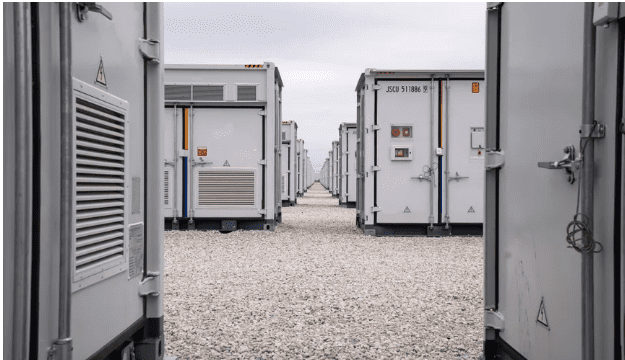
- The enclosure protects the full system. It may be built as a container or a room. It must resist dust and moisture. You must be able to access it for service.
What You Can Power
You can run mid-sized factories, data rooms, refrigeration units, or farm pumps. You can support construction sites with stable energy. You can supply a small microgrid. You can pair the system with rooftop solar or ground mount arrays. This lets you store excess energy at midday and use it during evening peaks. You maintain uptime without a generator.
How to Plan Capacity
- List your priority loads.
- Measure their peak and average draw.
- Check how long you want them to run during an outage or price peak.
- Add up your energy need.
- Compare it with the expected usable energy of the 2000 kWh battery.
- Add a margin of about ten to twenty percent to account for losses and battery aging. This gives you a steadier plan.
You must also check your charge rates. Some sites need fast charging during short windows. Others can charge slowly during low price periods. Your inverter must match your plan.
Integration Steps
Work with engineers early. They check your switchgear and your existing supply. They verify clearances for the enclosure. They design grounding and protection. They plan cable routes and ventilation. They confirm fire safety. They plan remote monitoring and control.
A battery energy storage system needs correct commissioning. This includes firmware checks, inverter tuning, and safety validation. You also need clear procedures for normal use and emergency events.
Operational Use
- You can run the battery to shave peaks. Set your control system to discharge during high demand periods. This cuts demand charges.
- You can charge at night when prices drop.
- You can run in self-consumption mode with solar.
- You can provide backup.
- You can also enter demand response programs if available.
Cycle Life and Longevity
A large lithium iron phosphate system lasts many years if used within its limits. Shallow cycles extend life. High temperature shortens life. Plan for moderate depth of discharge when possible. Hold temperature within the range set by the maker. Keep the inverter and cables clean. This keeps resistance low and improves efficiency.
Maintenance
- Maintenance is simple but important.
- Inspect the enclosure.
- Check for dust and moisture.
- Confirm that fans and filters work.
- Review system logs.
- Watch for cell imbalance.
- Run periodic tests.
- Replace worn parts in the thermal system.
- Keep firmware updated.
This prevents small issues from growing into failures.
Safety
- You must know your shutdown and isolation steps.
- Place signs near the unit.
- Train staff to recognize alarms.
- Keep the area clear of flammable items.
- Maintain ventilation.
- Do not store tools in the enclosure.
- Check that fire detection works.
A well-designed system reduces risk. Your role is to keep it in good shape.
Choosing a Supplier
A strong battery energy storage system manufacturer gives you clear documentation. They give you cycle life data. They list usable energy. They give you thermal guidelines. They support integration. They stand behind the system with training and support. They help you size the inverter. They assist with commissioning and performance checks.
Look for modular design. This helps you expand your storage later. Look for remote monitoring. This helps you detect faults early. Look for clear warranty terms. This protects your budget.
Site Preparation
Check your foundation. A 2000 kWh battery and its container weigh a lot. You need a level surface. You need drainage. You need space for technicians to move. You need access for a crane or forklift during installation. You may need fencing. You may need shade in hot climates. You may need heaters in cold climates. Good site planning improves uptime and safety.
Grid Interaction
If you connect to the grid, you must follow local rules. Your utility may need relay protection. They may need export limits. They may need voltage ride-through features. They may need certified inverters. Confirm these rules before installation. This avoids delays. It also ensures stable operation.
Economic Use Cases
- You can use storage to cut peak demand charges.
- You can reduce diesel generator runtime.
- You can raise solar self-consumption.
- You can avoid lost revenue during outages.
- You can join grid programs that pay for fast response.
- You can stabilize production lines.
Each site has its own blend of needs. The flexibility of a large system lets you match your use pattern.
Scaling Beyond 2000 kWh
If your needs grow, you can add more racks or more containers. Modular systems allow many megawatt hours of storage. You can build this in phases. Start with the core system. Add more units when your load increases. Keep your control system ready for expansion. This keeps your growth smooth.
Environmental Factors
- Check temperature swings at your site.
- Hot areas need strong cooling.
- Cold areas need heating.
- High humidity needs sealed enclosures.
- Dusty areas need filters.
- Salty air near coasts needs corrosion-resistant materials.
These factors shape your choice of enclosure and thermal design.
Future Proofing
- Plan for possible load growth.
- Plan for higher solar capacity.
- Plan for new equipment.
- Keep spare conduits.
- Keep access space for new containers.
- Choose a control system that can manage several units.
This helps you avoid costly rebuilds.
Conclusion
A 2000 kWh battery gives you strong energy support for real operations. It gives you a long runtime and steady output. It helps you manage costs and improve reliability. When you work with a skilled battery energy storage system manufacturer, you get a system that fits your site and your goals. With careful sizing, clear integration, and steady maintenance, you gain long-term value and stable power.