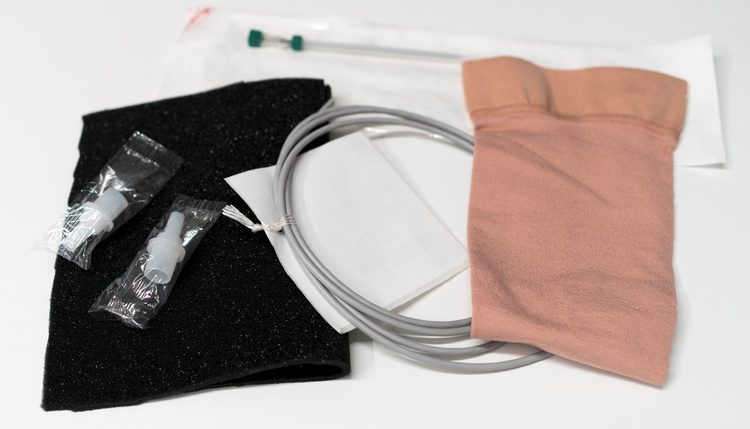
Bringing a medical device to market requires more than demonstrating performance and functionality. Manufacturers must also show that their products are biologically safe for patients and users. ISO 10993 provides the internationally recognized framework for evaluating the biocompatibility of medical devices, helping companies identify, assess, and manage biological risks throughout a product’s lifecycle.
At its core, ISO 10993 is not a single test but a series of standards that guide the biological evaluation of materials and finished devices. It emphasizes a risk-based approach, integrating chemical characterization, toxicological assessment, and targeted testing into a structured biological evaluation plan. For organizations seeking a comprehensive ISO 10993 biocompatibility strategy, resources such as comprehensive ISO 10993 biocompatibility strategy can support alignment with global regulatory expectations while streamlining development timelines.
ISO 10993 Overview and Structure
The ISO 10993 family includes multiple parts, each addressing a different aspect of biological safety. ISO 10993-1 serves as the foundation, outlining how to plan and conduct a biological evaluation within a risk management framework. It introduces key principles such as device categorization by nature and duration of body contact, which directly influence the endpoints that must be considered.
Other critical standards include ISO 10993-5 for in vitro cytotoxicity, ISO 10993-10 for irritation and sensitization, ISO 10993-11 for systemic toxicity, ISO 10993-18 for chemical characterization, and ISO 10993-17 for toxicological risk assessment of leachable substances. Together, these standards form a toolbox that manufacturers use to build a science-based justification for biological safety.
Importantly, ISO 10993 is closely linked to ISO 14971, the standard for medical device risk management. Biological hazards—such as toxicity, sensitization, or genotoxicity—must be identified, evaluated, and controlled just like mechanical or electrical risks. This integration ensures that biocompatibility testing for medical devices is not performed in isolation, but as part of an overall safety strategy.
Core Concepts in Biocompatibility Testing
A common misconception is that ISO 10993 mandates a fixed set of tests for every device. In reality, the standard promotes a flexible, risk-based methodology. The first step is to define the device’s intended use, materials of construction, type of tissue contact, and duration of exposure. These factors determine which biological endpoints require evaluation.
Chemical characterization plays an increasingly important role. Rather than defaulting to extensive animal testing, manufacturers are encouraged to identify and quantify extractables and leachables, assess patient exposure, and perform toxicological risk assessments. When sufficient data exist, this approach can justify test waivers and reduce unnecessary in vivo studies.
Biocompatibility testing may still be necessary, particularly for novel materials or high-risk, long-term implants. However, testing should be strategically selected based on identified gaps in data. This prevents redundant studies, reduces costs, and supports ethical considerations related to animal use.
Developing a Biological Evaluation Plan
The biological evaluation plan (BEP) is the cornerstone of ISO 10993 compliance. This document outlines the rationale for endpoint selection, summarizes existing data, identifies knowledge gaps, and defines required testing or assessments. It should be a living document, updated as new information becomes available during development or after design changes.
An effective BEP typically includes:
A detailed device description and material composition
Classification of body contact type and duration
A summary of prior testing and literature data
A chemical characterization strategy
A toxicological risk assessment plan
Justification for any omitted endpoints
Regulators expect to see clear scientific reasoning. Simply listing completed tests is not sufficient. Instead, manufacturers must demonstrate how each activity supports the overall conclusion of biological safety.
Integrating Medical Device Risk Management
ISO 10993-1 explicitly requires alignment with medical device risk management principles. Biological hazards must be identified through material reviews, supplier information, published literature, and analytical data. The probability and severity of potential harm are then evaluated, and risk control measures are implemented where needed.
For example, if chemical characterization identifies a potentially toxic compound, a toxicological risk assessment can determine whether patient exposure falls below established safety thresholds. If risk remains unacceptable, mitigation strategies may include material reformulation, process changes, or additional purification steps.
This structured approach ensures traceability from hazard identification to final safety conclusion. It also strengthens regulatory submissions by demonstrating that biological safety has been considered systematically and proactively.
Strategic Considerations for Manufacturers
To approach ISO 10993 strategically, manufacturers should begin biocompatibility planning early in product development. Waiting until design verification or regulatory submission often leads to delays, repeated testing, and increased costs.
Material selection is a critical early decision. Choosing well-characterized, medically established materials with existing biocompatibility data can significantly reduce the testing burden. Supplier transparency and robust documentation are equally important.
Change management is another key consideration. Modifications to materials, manufacturing processes, or sterilization methods can alter a device’s biological risk profile. Each change should trigger a documented assessment to determine whether additional evaluation is necessary.
Conclusion
Understanding ISO 10993 requires more than familiarity with a list of required tests. It demands a comprehensive, risk-based mindset that integrates chemical characterization, toxicological assessment, and targeted testing into a cohesive biological evaluation plan. By aligning biocompatibility testing for medical devices with broader medical device risk management practices, manufacturers can protect patient safety while optimizing development efficiency.
A thoughtful, science-driven strategy not only supports regulatory compliance but also builds confidence among stakeholders, clinicians, and patients. When implemented effectively, ISO 10993 becomes not just a regulatory obligation, but a powerful framework for ensuring the biological safety of innovative medical technologies.