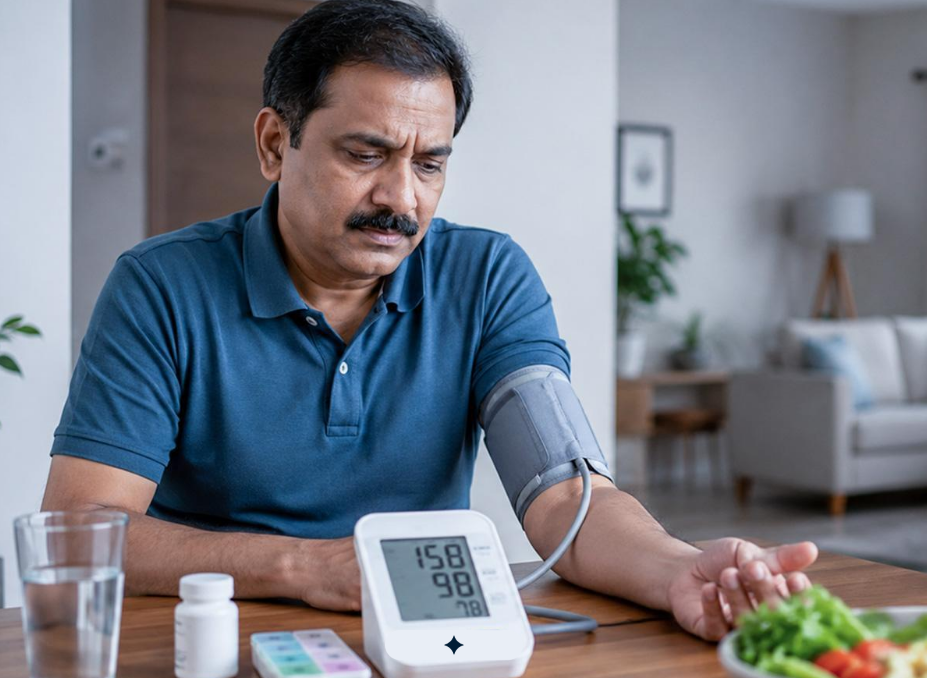
Hypertension, commonly known as high blood pressure, is a very common overlooked health concern that can go unnoticed in early stages and affects people of all ages. The circulatory system plays an important role in pumping oxygen-rich blood to every organ, regulating blood volume, and ensuring the body has the energy it needs to function. When the force of blood against your artery walls is too high for an extended period, it can damage blood vessels, a condition commonly known as the “silent killer” because it often has no obvious symptoms.
Hypertension can develop due to poor diet, high stress, smoking, or certain medical conditions like diabetes and kidney disease. Early symptoms may be mild, such as occasional headaches or a slight feeling of fatigue. Still, if left untreated, they can lead to severe chest pain, permanent heart damage, stroke, and other serious health complications. Here, we will discuss how to manage hypertension, the role of medications such as Cilacar 10 and Rancil 10, and other useful tips for maintaining healthy blood pressure levels.
Understanding Hypertension
Hypertension is a condition in which the pressure in your blood vessels is consistently too high. This condition can stem from an insufficiency of physical activity, high salt consumption, or other underlying medical conditions like a family history of hypertension. While the prospect of high blood pressure is alarming, it can be managed successfully with appropriate care and timely medical intervention.
Symptoms and Warning Signs
The warning signs of hypertension can vary depending on how much the pressure has increased. In the early stages, the signs may be mild and often go unnoticed or dismissed as simple “stress” or “tiredness.” However, if the cardiovascular strain persists for an extended period without proper treatment, the symptoms can worsen and may affect the brain, eyes, and overall bodily function.
Common signs of hypertension concern include:
- Persistent Headaches: Frequent pain, often at the back of the head, especially in the morning.
- Shortness of Breath: Feeling winded during light activity or while walking.
- Nosebleeds: Unexpected bleeding from the nose without any injury.
- Dizziness and Lightheadedness: Feeling unsteady or suddenly faint.
- Visual Changes: Blurred vision or seeing “spots” in front of the eyes.
Severe symptoms that require immediate attention include:
- Intense Chest Pain: Sharp or heavy pain that may indicate heart strain.
- Severe Anxiety: A sudden sense of panic accompanied by physical symptoms.
- Confusion: Difficulty focusing or sudden memory lapses.
- Irregular Heartbeat: A feeling that the heart is racing, thumping, or skipping beats.
For adults, maintaining healthy blood pressure is vital for long-term independence and vitality. For those with a family history of heart issues, it is especially important to ensure adequate medical care and monitoring to keep blood pressure within a safe range and prevent damage to vital organs.
Using Blood Pressure Medications
Calcium channel blockers such as Cilacar 10 and Rancil 10 are commonly used to manage hypertension. These medications help restore circulatory health by relaxing the muscles of your blood vessels. By allowing blood vessels to widen, this significantly reduces the pressure against the artery walls, making it easier for the heart to pump blood throughout the body.
- Consult Your Doctor: It is important to consult a doctor before starting any blood pressure medication. They can confirm your pressure levels and recommend the right formulation, dosage, and duration based on your health condition and medical history.
- Take Medications as Prescribed: If advised, take medications like Cilacar 10 or Rancil 10 exactly as prescribed. These are often taken daily at the same time to maintain a consistent protective effect. Consistency is key to achieving better results and keeping the pressure within a safe range.
- Mechanism of Action: Cilacar 10 contains Cilnidipine, which is known for its dual action on blood vessels and nerve endings, providing a smooth reduction in pressure. Rancil 10 works similarly to ensure that blood vessels remain relaxed and open.
- Monitor Your Progress: Keep track of your home blood pressure readings and note your energy levels after starting your course.
Other Measures to Manage Hypertension
In addition to medication, several lifestyle changes can help improve heart function and overall circulatory health:
- Adopt a Low-Sodium Diet: Focus on reducing salt intake, as excessive sodium causes the body to retain fluid, which increases blood pressure.
- Maintain Physical Activity: Engaging in at least 30 minutes of moderate exercise, such as brisk walking, five days a week,k helps strengthen the heart and keep blood vessels flexible.
- Quit Smoking: Tobacco use damages the walls of the blood vessels and speeds up the hardening of the arteries; quitting is one of the most effective ways to lower pressure.
- Manage Stress: Practising relaxation techniques such as deep breathing or meditation can help lower heart rate and reduce systemic pressure.
- Limit Alcohol Intake: Reducing alcohol consumption can significantly help in bringing blood pressure down to a healthier level.
When to Seek Professional Help?
If symptoms such as headaches persist despite lifestyle changes, or if your blood pressure readings remain high, it is important to seek guidance from a healthcare professional. A doctor may recommend a kidney function test, an eye exam, or blood work to assess your overall health and suggest appropriate treatment to prevent further complications.
Early medical intervention helps ensure that high blood pressure does not progress to more serious health issues like heart failure or stroke. You should consider consulting a medical practitioner if you experience:
- Frequent episodes of dizziness or unusual blurred vision.
- Sudden and unexplained chest heaviness.
- Symptoms that continue to worsen despite significant dietary changes and exercise.
- Underlying conditions, such as diabetes or high cholesterol, may affect arterial health.
- A strong family history of early heart attacks or kidney disease.
Seeking timely medical advice ensures proper diagnosis and helps prevent long-term complications associated with hypertension.
Conclusion
Although hypertension is not always a major problem in the initial stages, it is always best to treat it early to avoid other health complications in the future. Cardiovascular health is very important for our overall energy, longevity, and quality of life.
It is possible to manage hypertension in the right way through the right combination of medications like Cilacar 10 or Rancil 10, along with a healthy lifestyle and a balanced diet. With the right combination of professional guidance, a mindful approach to nutrition, and consistent health habits, blood pressure risks can be effectively managed. Early awareness and timely medical guidance can help ensure long-term health and prevent future complications.