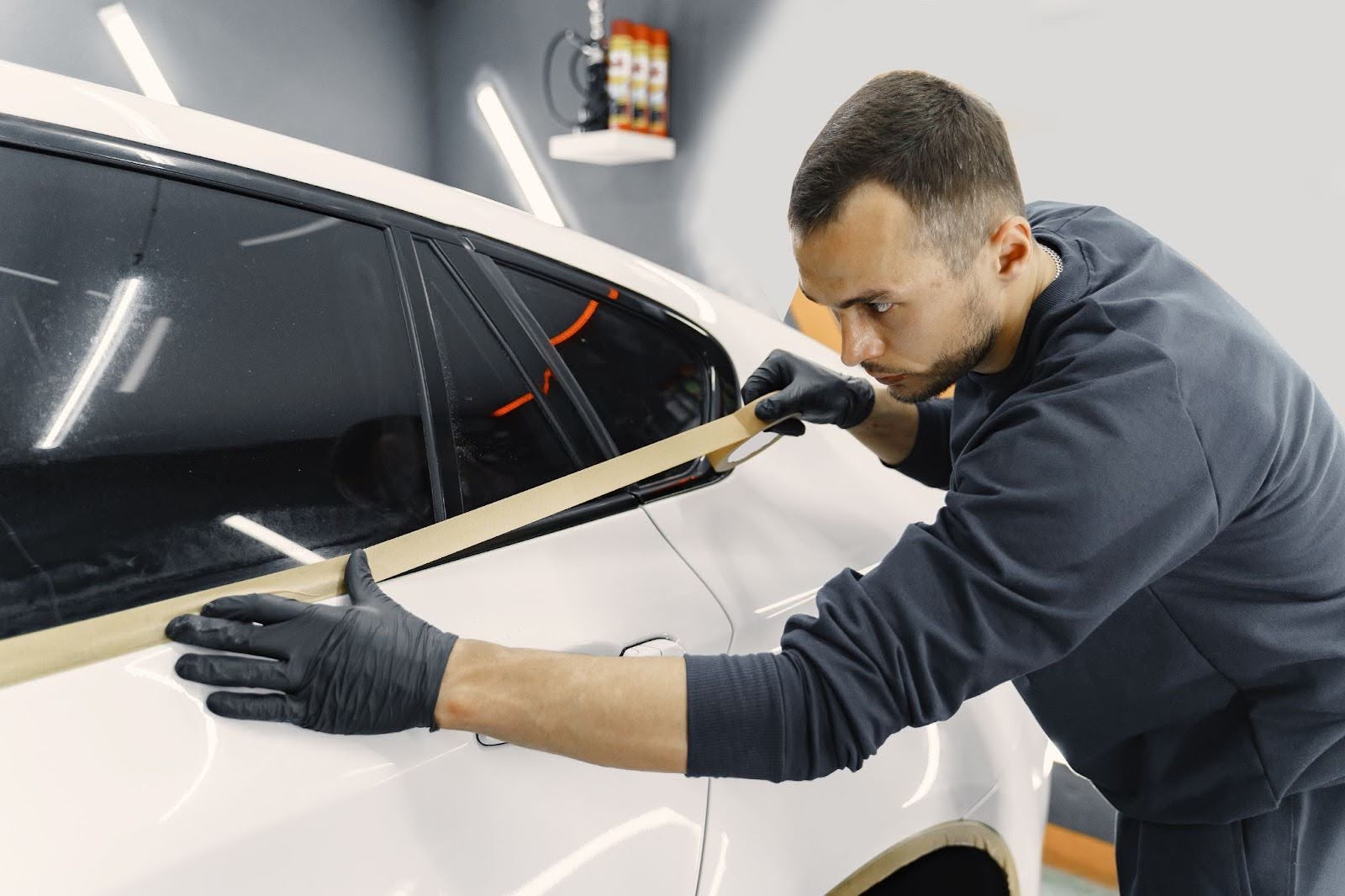
If you want to keep your car looking new and shiny, using paint protection film (PPF) is one of the smartest choices. But PPF is not a one-size-fits-all solution. There are different types of films, each designed for specific needs.
This guide will explain the main types of PPF in simple terms so that anyone can understand which one is right for their car.
Table of Contents
1.What is Paint Protection Film (PPF)?
2.Why PPF is PPF important?
3.Types of Paint Protection Films
- Matte PPF
- Self-Healing PPF
- Coloured PPF
- ClearPPF
4.How to Choose the Right PPF Type
5.Thickness and Its Role in PPF Selection
6.Best Paint Protection Film in India
7.Professional vs DIY Installation for Different PPF Types
8.Maintenance Tips for Each Type
9.Common Mistakes to Avoid
10.Cost Considerations
11.Conclusion
What is Paint Protection Film (PPF)?
Paint Protection Film is a thin, transparent layer applied over your car’s paint.
- It protects your car from scratches, stone chips, minor dents and environmental damage.
- High-quality PPF is nearly invisible and keeps your car looking brand new.
- Many PPFs come with a special PPF coating that resists stains, scratches and UV rays.
Think of it like a shield that keeps your car safe while maintaining its shine.
Why is PPF important?
Many people think PPF is just for looks. But it is actually for paint protection. A lot of times, rock-chips, bird droppings, etc., mess with your car’s paint. When you try to wash it, you end up with swirl marks and scratches, which bring down your car’s value.
Here’s why PPF is important :
- Preserves car value: A car with perfect paint sells for more.
- Protects against daily wear and tear: Roads in India can be rough, and even small stones can damage paint.
- Ease of cleaning: Dirt, bird droppings, and tree sap slide off easily.
- Long-term investment: A high-quality PPF can last 5–10 years.
Types of Paint Protection Films
Matte PPF
- Designed for matte-finish cars.
- Maintains the matte look while protecting the paint.
- Slightly more expensive than glossy films due to specialized coatings.
Self-Healing PPF
- Can repair minor scratches automatically when exposed to sunlight or heat.
- Reduces the need for frequent maintenance.
- Available in both glossy and matte finishes.
Coloured and Custom PPF
- Available in limited colors for styling purposes.
- Provides protection while giving your car a unique look.
- Less common and usually more expensive.
Clear PPF
This is the most common type of film used in the industry. It is an optically clear, transparent urethane film designed to be virtually invisible once installed.
- Best For: Owners who want to preserve their car’s original factory color and finish.
- Key Benefits: It enhances the paint’s natural shine, creating a “wet look.”
- Protection: Offers robust defense against rock chips, scratches, swirl marks, hard water spots, and road debris. It can be applied to specific high-impact areas (like the bumper and hood) or the entire vehicle.
How to Choose the Right PPF Type?
Choosing the right type depends on:
- Car finish: Glossy, matte or metallic.
- Protection needs: City driving vs highway driving.
- Personal preference: Invisible finish or stylish coloured options.
- Budget: Self-healing and custom films cost more.
For most cars, a combination of glossy or self-healing PPF offers a good balance of protection and aesthetics.
6. Thickness and Its Role in PPF Selection
The thickness of the film affects:
- Protection level: Thicker films absorb more impact.
- Appearance: Thin films are nearly invisible, thick films require careful installation.
- Self-healing capability: Certain thicknesses enhance scratch recovery.
Always consider thickness along with the type of PPF for maximum benefits.
Best Paint Protection Film in India – Popular Options
When choosing the best paint protection film in India, consider:
- Aegis: Offers all kinds of finishes.They even have the thickest PPF in their range.
- 3M PPF: Offers glossy, matte, and self-healing options. Reliable and widely available.
- XPEL: Known for self-healing films and durability.
These brands provide high-quality PPF coatings and professional installation support, ensuring your car stays protected for years.
Maintenance Tips for Each Type
- Clear PPF: Wash regularly with mild soap. Avoid harsh chemicals.
- Matte PPF: Avoid polishing or waxing that can add shine.
- Self-healing PPF: Expose minor scratches to sunlight or heat for natural repair.
- Coloured PPF: Avoid abrasive cleaning to prevent fading.
Proper maintenance ensures maximum lifespan and protection.
Common Mistakes to Avoid
- Choosing PPF based on price alone.
- Skipping professional installation for thick or matte films.
- Not checking the warranty or coating quality.
- Using harsh chemicals or abrasive cleaning tools.
Cost Considerations
- Glossy films: Affordable and effective.
- Matte or self-healing films: Moderate to premium pricing.
- Coloured or custom films: Most expensive due to limited availability.
- Installation cost: Professional installation adds to the total cost but ensures longevity.
Balancing cost with quality and durability is key.
Conclusion
Understanding the different types of paint protection films helps you choose the one that fits your car, driving habits, and budget. Glossy and self-healing PPFs are great for most cars, while matte, coloured or clear films cater to specific needs.
Investing in the best paint protection film in India with a high-quality PPF coating and professional installation ensures your car stays protected, looks new and retains its value for years. Choosing the right type of PPF is not just about looks; it’s about long-term protection and peace of mind.