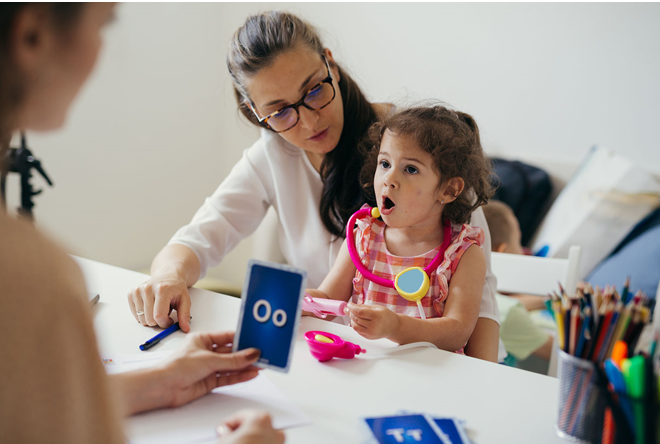
Every child develops at a different pace, and children with autism spectrum disorder (ASD) may benefit from additional support as they build communication, social, behavioral, and daily living skills. Applied Behavior Analysis (ABA) therapy is one approach that can help children develop practical skills through individualized teaching, positive reinforcement, and structured support.
For families considering aba therapy Denver, understanding how therapy works, where it takes place, and how parents and caregivers participate can make the process easier. Modern ABA programs can be designed around a child’s everyday environment, allowing skills to be practiced where they are naturally needed rather than only in a clinical setting.
What Is ABA Therapy?
Applied Behavior Analysis is a structured approach that focuses on understanding how behaviors develop and how environmental factors can influence learning. Rather than using one identical program for every child, effective ABA services are generally individualized according to the child’s strengths, needs, interests, communication abilities, and developmental goals.
The purpose is not simply to reduce unwanted behaviors. ABA can support a wide range of practical skills, including communication, social interaction, independence, self-care, learning, and participation in everyday activities.
For example, a child may work on requesting a preferred item, following instructions, participating in routines, interacting with other children, getting dressed, using the bathroom, or communicating when something is difficult. These skills can make everyday activities more manageable for both children and their families.
How ABA Supports Children’s Development
Children learn continuously through their everyday experiences. ABA therapy can make those learning opportunities more intentional by breaking complex skills into manageable steps and providing appropriate support as the child practices.
Communication Skills
Communication is an important area of development for many children with autism. Some children may have difficulty using spoken language, while others may struggle with understanding questions, expressing needs, or participating in conversations.
ABA programs can incorporate communication goals that are appropriate for each child’s abilities. A therapist may work on requesting, labeling objects, answering questions, following directions, communicating choices, or using alternative forms of communication when appropriate.
The goal is to give children practical ways to express what they need and participate more successfully in everyday situations.
Social Interaction
Social skills can also be developed through carefully planned activities. Children may practice taking turns, sharing, responding to others, starting interactions, maintaining appropriate personal space, or participating in games.
Because these skills are most useful in real situations, practicing them at home, school, or other familiar environments can provide valuable opportunities for applying what a child has learned.
Daily Living Skills
Independence is another important part of development. Everyday tasks such as brushing teeth, getting dressed, eating, washing hands, organizing belongings, and using the bathroom can involve multiple steps.
ABA therapy can break these activities into smaller components and teach them gradually. With repetition and appropriate reinforcement, children can build greater independence and reduce their reliance on adults for routine activities.
Why In-Home ABA Therapy Can Be Valuable
Many families prefer receiving ABA services at home because the child can practice skills in the environment where those skills are actually used.
For example, learning a morning routine at home allows the therapist and caregivers to address the real challenges that occur during mornings. Similarly, communication skills can be practiced during meals, play, family activities, and other ordinary situations.
Budding Futures focuses on in-home ABA rather than operating a traditional ABA center in Colorado. A trained behavior therapist can provide services in the child’s home or school, helping skills become part of everyday routines.
This approach can also give parents and caregivers opportunities to participate directly in the treatment process.
The Importance of Parent and Caregiver Involvement
Children spend much more time with their families and caregivers than they spend with their therapists. For that reason, caregiver involvement can play an important role in helping skills carry over into everyday life.
Rather than limiting learning to therapy sessions, caregivers can learn how to support communication, encourage appropriate behaviors, reinforce new skills, and respond consistently to challenging situations.
When everyone involved understands the child’s goals and strategies, the child receives more consistent support throughout the day.
Play-Based and Natural Learning
Children often learn best when activities are meaningful and engaging. Modern ABA programs can incorporate play, interests, and naturally occurring opportunities rather than relying exclusively on highly structured table-based activities.
Natural Environment Teaching (NET), for example, uses everyday activities and the child’s motivation as opportunities for learning. A therapist might work on communication during play, following directions while preparing a snack, or social interaction during a family activity.
This can make therapy feel more connected to the child’s actual life.
Understanding Assent-Based ABA
An individualized approach also means paying attention to a child’s comfort, preferences, and participation. Assent-based practices emphasize recognizing a child’s communication and willingness to participate in activities.
This is particularly important because effective therapy should be respectful and responsive to the individual child. Building trust can help create an environment where children feel supported while developing new skills.
The Role of the BCBA
A Board Certified Behavior Analyst (BCBA) plays an important role in developing and supervising an ABA program. The BCBA can assess the child’s needs, establish individualized goals, analyze progress, and guide the behavior therapist who provides direct services.
Budding Futures reports a BCBA supervision target of approximately 20% of therapy hours for each child and family, which it describes as four times the BACB minimum. Regular clinical supervision can help ensure that treatment remains aligned with the child’s goals and that strategies can be adjusted when progress or circumstances change.
ABA Therapy for Different Ages
ABA services are not limited to one particular developmental stage. Children and adolescents can have very different needs depending on their age, abilities, school environment, communication skills, and level of independence.
For younger children, goals may focus on early communication, play, basic routines, and foundational learning skills. School-age children may work on social interaction, classroom participation, communication, and independence. Older children and teenagers may benefit from support with daily living, social skills, community participation, and other age-appropriate goals.
Budding Futures provides services for children from approximately 18 months through 18 years of age, with programs adapted to the individual child.
School-Based ABA Support
Children spend a significant portion of their day at school, making the educational environment an important place for practicing skills.
School-based ABA can support goals related to classroom participation, communication, social interaction, transitions, following routines, and independence. When appropriate, working in the school environment can help children practice skills where they naturally need to use them.
Combining home and school-based support may also provide opportunities to promote consistency across different environments.
Measuring Progress Over Time
A major benefit of an individualized ABA program is the ability to monitor progress rather than relying solely on general impressions.
Therapists and clinical supervisors can collect information about specific skills and behaviors, review trends, and determine whether current strategies are producing meaningful progress. Goals can then be adjusted according to the child’s changing needs.
This data-informed approach helps keep therapy focused on practical outcomes rather than simply completing predetermined activities.
Finding the Right ABA Therapy in Denver
Families searching for ABA therapy Denver may want to consider several factors before selecting a provider. Questions about service location, therapist training, BCBA supervision, caregiver involvement, treatment philosophy, insurance coverage, and assessment availability can help families compare options.
An in-home provider may be particularly useful for families who want skills taught within everyday routines rather than traveling to a dedicated therapy center.
Budding Futures provides in-home ABA, early intervention, and school-based services throughout Colorado, including Denver, Colorado Springs, Fort Collins, and surrounding communities. The organization states that it accepts Health First Colorado Medicaid, Aetna, and other major insurance plans.
Supporting Development Beyond Therapy Sessions
ABA therapy works best when learning continues beyond scheduled sessions. Families can create opportunities throughout the day for children to practice communication, independence, social interaction, and other targeted skills.
A simple routine such as preparing breakfast can become an opportunity to practice requesting, following instructions, waiting, making choices, and completing steps independently. Playtime can support communication and social interaction, while household routines can encourage independence.
These everyday opportunities can help connect therapy goals with real life.
Conclusion
ABA therapy can provide individualized support for children with autism by focusing on meaningful skills that improve communication, independence, social participation, and everyday functioning. When therapy takes place in familiar environments, children have opportunities to practice skills where they naturally use them.
For families exploring ABA therapy Denver, in-home and school-based services can offer an approach that connects therapy with daily routines while involving parents and caregivers in the learning process. With individualized goals, caregiver participation, natural teaching opportunities, and consistent clinical supervision, ABA can become part of a broader strategy for supporting a child’s development and independence.