Running is one of the most accessible ways to stay active in the UK. Whether you enjoy short morning jogs, weekend park runs, treadmill sessions or longer-distance training, having suitable sportswear can make your running experience more comfortable and practical.
The UK’s changing weather adds another consideration. A run that begins in cool, dry conditions can sometimes end in wind or rain, while temperatures vary significantly throughout the year. Runners therefore need clothing that supports movement while allowing them to adapt to different conditions.
Choosing running sportswear does not have to mean buying the most expensive products available. Fit, comfort, fabric, weather protection and versatility are usually more important. This guide explains what to consider when building a practical running wardrobe for the UK.
Start With Comfort and Fit
Comfort should be one of your first considerations when choosing running clothing. Running involves repetitive movement, so even a minor problem with fit can become distracting over a longer distance.
Baseball Lifestyle 101 Your clothing should feel secure without unnecessarily restricting your body. Tops should provide sufficient movement around the shoulders and arms, while shorts or running bottoms should remain comfortable around the waist.
Some runners prefer close-fitting clothing, Baseball Lifestyle 101 while others choose a more relaxed fit. Personal preference matters, but garments should not require constant adjustment while you run.
When shopping online, check the manufacturer’s sizing guide rather than assuming your normal clothing size will always provide the correct fit.
Choose Lightweight and Breathable Running Tops
A good running top is one of the foundations of a practical sportswear wardrobe.
Lightweight materials can help prevent your outfit from feeling unnecessarily heavy as you exercise. Breathability is also important because running increases body temperature, even when the weather initially feels cool.
Many runners prefer technical fabrics designed to manage perspiration during physical activity. The most suitable option depends on the intensity of your training, weather and personal comfort preferences.
Short-sleeved tops can work well during warmer conditions and indoor training, while long-sleeved versions provide additional coverage when temperatures fall.
Owning several versatile running tops can also be helpful if you train multiple times each week.
Find the Right Running Shorts
Running shorts should provide freedom of movement and remain securely positioned throughout your workout.
Pay particular attention to the waistband. It should be secure without feeling excessively tight. The length of your shorts is largely a personal preference, although lightweight designs are often useful for running.
Some runners value practical features such as pockets for keys or other small essentials. If you intend to carry anything while running, consider whether the pocket keeps the item sufficiently secure without causing unnecessary movement.
Test your shorts by walking, Baseball Lifestyle 101 bending and jogging if possible before committing to longer training sessions.
Consider Leggings and Running Tights
Shorts may not always be ideal for British weather. Running tights or leggings can provide additional coverage during cooler periods.
Close-fitting bottoms can be particularly useful because they allow movement without excess fabric moving around the legs. Different thicknesses may suit different seasons.
Some runners prefer full-length options during winter and shorter styles during transitional months.
Comfort remains the priority. Look for a fit that supports natural movement without becoming restrictive around the knees, hips or waist.
The right combination of shorts and longer running bottoms can help you prepare for year-round training.
Learn How to Layer for UK Weather
The UK’s unpredictable climate makes layering an important skill for outdoor runners.
Instead of relying on one heavy garment, consider combining several lighter pieces. A breathable base or training top can be worn underneath a lightweight outer layer when temperatures are lower.
As conditions become warmer, you can adjust your clothing accordingly.
During colder periods, long sleeves, running tights and lightweight jackets can provide additional coverage. Warmer weather usually requires fewer layers.
The aim is to avoid being excessively cold at the beginning of a run without becoming uncomfortably warm once your body temperature increases.
Look for Practical Outerwear
A suitable outer layer can be valuable for runners who do not want changing British conditions to disrupt their routine.
Lightweight running jackets can provide an extra layer during cool or windy conditions. Depending on your requirements, you may also want to consider the level of weather protection offered by a particular garment.
Weight and mobility matter because bulky outerwear can become uncomfortable during a run.
Look for a jacket that allows your arms to move naturally and can be combined comfortably with the layers underneath it.
A versatile outer layer can also be useful for walking, outdoor fitness and travelling to other sporting activities.
Understand the Difference Between Running Wear and Teamwear
Sportswear should always reflect the demands of the activity. A runner has different clothing requirements from someone participating in cricket, football or another organised sport.
Running generally prioritises lightweight construction, unrestricted repetitive movement and clothing appropriate to the weather. Team sports also have to consider uniform design and club identity.
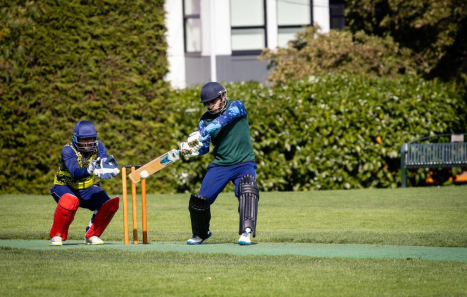
For example, Custom Cricket Kits allow clubs to create coordinated team clothing featuring selected colours and other personalised design elements. While this type of teamwear serves a different purpose from individual running clothing, both should be selected with fit, comfort and suitability for the intended activity in mind.
Understanding these differences can prevent you from buying sportswear simply because it is labelled as athletic clothing.
Think About Visibility When Running Outdoors
Outdoor runners should consider how and where they normally train, particularly during darker periods of the year.
If you regularly run early in the morning or later in the evening, visibility can become an important consideration when selecting clothing. Some running garments incorporate reflective details designed to make the wearer more noticeable in low-light conditions.
Clothing is only one part of planning safer outdoor exercise, however. Route choice, local conditions, lighting and awareness of your surroundings also matter.
Consider your normal running environment before buying. Someone who primarily uses a well-lit indoor treadmill will have different clothing priorities from a person who frequently trains outside.
Don’t Forget Running Socks
Socks may receive less attention than tops and shorts, but they can make a meaningful difference to comfort.
Running involves thousands of repeated steps, so poorly fitting socks can quickly become irritating. Choose socks that fit securely and feel comfortable with your running shoes.
Thickness is another personal preference and may depend on the footwear and season.
Having several pairs designed for regular exercise is useful if you train frequently. As with other sportswear, follow the manufacturer’s care instructions to help keep them in suitable condition.
Consider Customisation for Clubs and Running Groups
Personalisation is not limited to traditional competitive teams. Running clubs, fitness groups, schools and organisations may also want coordinated training clothing.
Interest in Custom sportswear in UK can include personalised running tops, training shirts, jackets and other garments featuring club colours, names or logos. Coordinated clothing can help a group establish a recognisable identity at training sessions, events and social activities.
When considering customised sportswear, groups should look beyond visual design. Sizing options, fabric, comfort and suitability for running should remain important factors.
A visually impressive garment offers limited value if members find it uncomfortable during regular training.
Build Your Running Wardrobe Gradually
New runners do not need to purchase an enormous sportswear collection immediately.
Start with a few essential pieces based on the conditions in which you normally run. This might include lightweight training tops, suitable shorts or running bottoms, comfortable socks and an outer layer.
After several weeks of regular running, you will better understand your preferences. You may discover that you prefer shorts throughout much of the year or that additional layers make winter running more enjoyable.
Building your wardrobe gradually can also help you avoid spending money on specialist garments you rarely use.
Consider Quality and Long-Term Value
The cheapest running clothing is not necessarily the best value, but neither is the most expensive option automatically the best choice.
Think about how often you will use each garment and how well it meets your requirements. Someone running four times per week may place greater importance on durability and having multiple training outfits than an occasional runner.
Versatility also matters. A lightweight top suitable for running, gym sessions and other workouts can provide considerable practical value.
Rather than focusing entirely on branding or price, evaluate comfort, fit, functionality and expected frequency of use.
Take Proper Care of Running Sportswear
Running clothing can require frequent washing, particularly after demanding workouts. Proper care can therefore help you get more use from your sportswear.
Always follow the washing and drying instructions provided with the garment. Technical fabrics and personalised designs may have particular care requirements.
Having multiple training outfits can also make it easier to rotate clothing between runs rather than repeatedly using the same items.
Regularly inspect frequently worn garments and replace them when they no longer provide the comfort or fit you need.
Conclusion
Choosing the right sportswear for running in the UK is primarily about balancing comfort, movement and adaptability. Lightweight and breathable tops, suitable shorts or running tights, comfortable socks and practical outer layers can provide the foundation of a useful running wardrobe.
British weather makes layering particularly valuable. Instead of allowing cooler temperatures or changing conditions to interrupt your routine, having several adaptable pieces can help you prepare for different seasons.
Beginners do not need to purchase everything at once. Start with the essentials, learn what feels comfortable during your regular routes and gradually add clothing that addresses genuine needs.
Ultimately, the best running sportswear is not determined by price or fashion alone. It is clothing that fits properly, Baseball Lifestyle 101 supports natural movement, suits the conditions and allows you to concentrate on your run rather than what you are wearing.