
Try-On: How AI Is Changing the Way We Explore Fashion

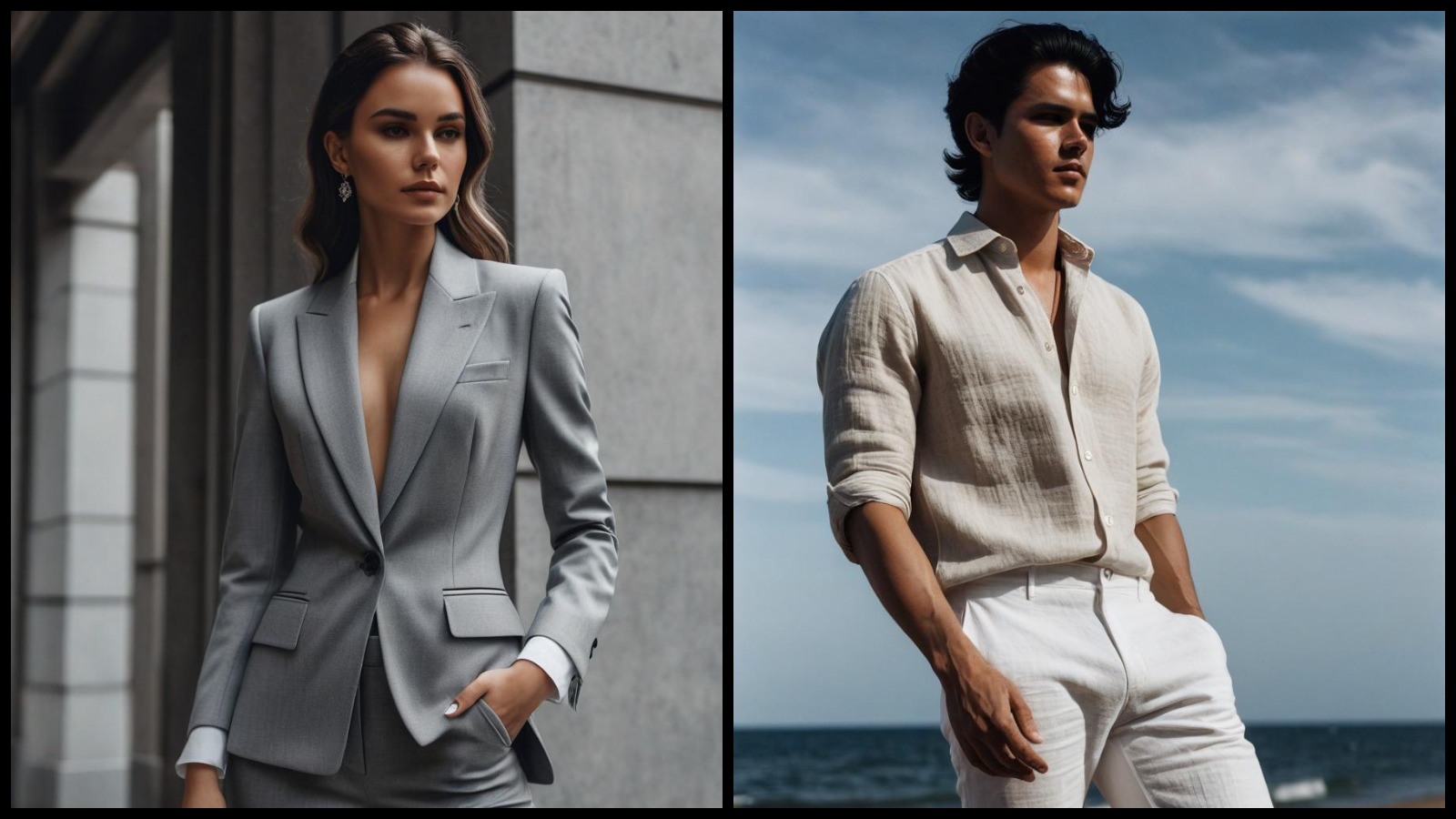
Choosing an outfit online can be exciting, but it also comes with a familiar problem: you cannot always tell how a piece of clothing will look on you from a product photo alone. A model’s pose, the lighting, and the way a garment is styled can make it difficult to picture the same item on your own body. Try-on technology offers a useful way to preview fashion before making a decision.
Today, virtual try-on tools use technologies such as artificial intelligence (AI) and augmented reality (AR) to create a visual preview of clothing. Depending on the tool, you may be able to use a live camera or upload a photo and see a different outfit on the image. These previews can help with style exploration, although they should not be treated as a guarantee of exact fit or fabric feel.
What Is Try-On Technology?
Try-on technology lets people preview how clothing or accessories may look without physically putting them on first. In a digital fitting experience, software analyses a camera view or uploaded image and places a garment into the scene or photo. AI-based systems may generate or adjust parts of an image, while AR systems can track a person’s movements and align a digital item with the live view.
The exact experience varies by platform. Some tools focus on still-photo outfit changes, while others are designed for live camera previews. Both approaches can make it easier to compare looks, test colours, and imagine combinations before visiting a store or ordering online.
How an AI Clothes Changer Works
An AI clothes changer usually starts with a photo or camera feed. You then select a sample garment or upload an image of clothing, and the tool produces a preview. Some services offer live try-on, while others create an edited image after processing your photo.
For example, Kivisense describes two modes on its AI clothes changer page: a real-time camera experience and a photo-based option. The page also describes use cases for shoppers, clothing retailers, fashion designers, content creators, and cosplay fans. You can explore the feature directly through the AI clothes changer page.
A simple workflow is usually enough:
- Choose live camera mode or upload a suitable photo.
- Select a sample outfit or add an image of the garment you want to preview.
- Generate the try-on result and compare the look with other options.
- Save the result if the platform offers a download option, and review the retailer’s sizing information before buying.
Why People Use Virtual Try-On
The biggest advantage is convenience. You can explore several outfit ideas without changing clothes repeatedly or travelling between stores. A virtual preview may also help you decide whether a colour, silhouette, or general style suits the look you have in mind.
It can be useful for different situations:
- Online shopping: preview a style before deciding whether to purchase it.
- Special occasions: compare ideas for weddings, parties, interviews, or formal events.
- Everyday styling: experiment with casual looks, workwear, or seasonal outfits.
- Content creation: test visual concepts for social posts, videos, or fashion inspiration.
- Fashion design and retail: communicate design ideas and give shoppers another way to explore products.
Try-On with Kivisense
If you want to explore a browser-based fashion preview, visit AR try on. Kivisense presents virtual try-on as part of its AI- and AR-powered fashion technology. Its website describes applications across clothing and other accessories, with solutions aimed at both individual shoppers and businesses.
For a photo-focused clothing preview or a live camera experience, the dedicated AI clothes changer explains the available modes and basic steps. Check the page for the latest access conditions and any usage limits, as free credits or trial options may change over time.
As with any online tool, read the platform’s privacy information before uploading personal images. Use a photo you are comfortable sharing with the service, and avoid uploading pictures of other people without their permission.
What Virtual Try-On Can and Cannot Tell You
A digital preview is best used as a styling aid, not as a substitute for a physical fitting. Image-generation systems can produce convincing results, but details may vary with the quality of the photo, the garment image, lighting, body position, and the technology behind the tool.
A preview may help you judge the overall appearance of an outfit, but it cannot reliably confirm measurements, comfort, stretch, stitching quality, or how a fabric feels against your skin. Before purchasing, check the product’s size chart, material details, return policy, and customer reviews. If the item must fit precisely, use the preview alongside those practical checks.
Tips for Better Try-On Results
- Use a clear, well-lit photo with your body visible and no objects blocking the outfit area.
- Choose a photo with a natural pose and a simple background when the tool asks for an upload.
- Use a clear image of the garment, ideally showing its shape and main details.
- Compare more than one style instead of judging an outfit from a single generated image.
- Treat the result as a visual guide and confirm the real product’s measurements before ordering.
- Review the service’s privacy policy and understand how uploaded images may be processed.
Is AI Try-On Worth Trying?
For people who enjoy experimenting with fashion, virtual try-on can be a quick and creative way to test new looks. It can also make online product browsing more interactive by giving shoppers a preview that goes beyond a standard catalogue photo.
The most useful approach is to combine the visual preview with real product information. Try different looks, note what you like, and then make the final decision based on size, material, price, and the seller’s return terms. Used this way, try-on technology can make fashion discovery more convenient without replacing common-sense shopping checks.
Frequently Asked Questions
What does try-on mean in fashion?
In fashion, try-on means checking how clothing or accessories look when worn. Virtual try-on uses a digital preview instead of requiring you to physically wear the item first.
What is an AI clothes changer?
An AI clothes changer is a tool that uses AI to create a preview of different clothing on an uploaded photo or, in some services, through a live camera.
Can I try on clothes online for free?
Some services offer free credits or limited trial use. The amount of free access can change, so check the tool’s current website for its latest terms.
Is virtual try-on accurate?
It can be useful for visualising a style, but accuracy varies. It does not guarantee the exact fit, measurements, fabric texture, or comfort of a real garment.
How do I get a better virtual try-on result?
Use a clear, well-lit image, select a suitable garment photo, and follow the tool’s instructions. Compare the preview with the product’s size chart before buying.
Is it safe to upload my photo to a try-on tool?
Review the service’s privacy policy before uploading. Avoid sharing sensitive images, and do not upload someone else’s photo without permission.
Where can I try an AI fashion preview?
You can explore Kivisense’s AR try on experience and its AI clothes changer to learn about its available options.







Comment