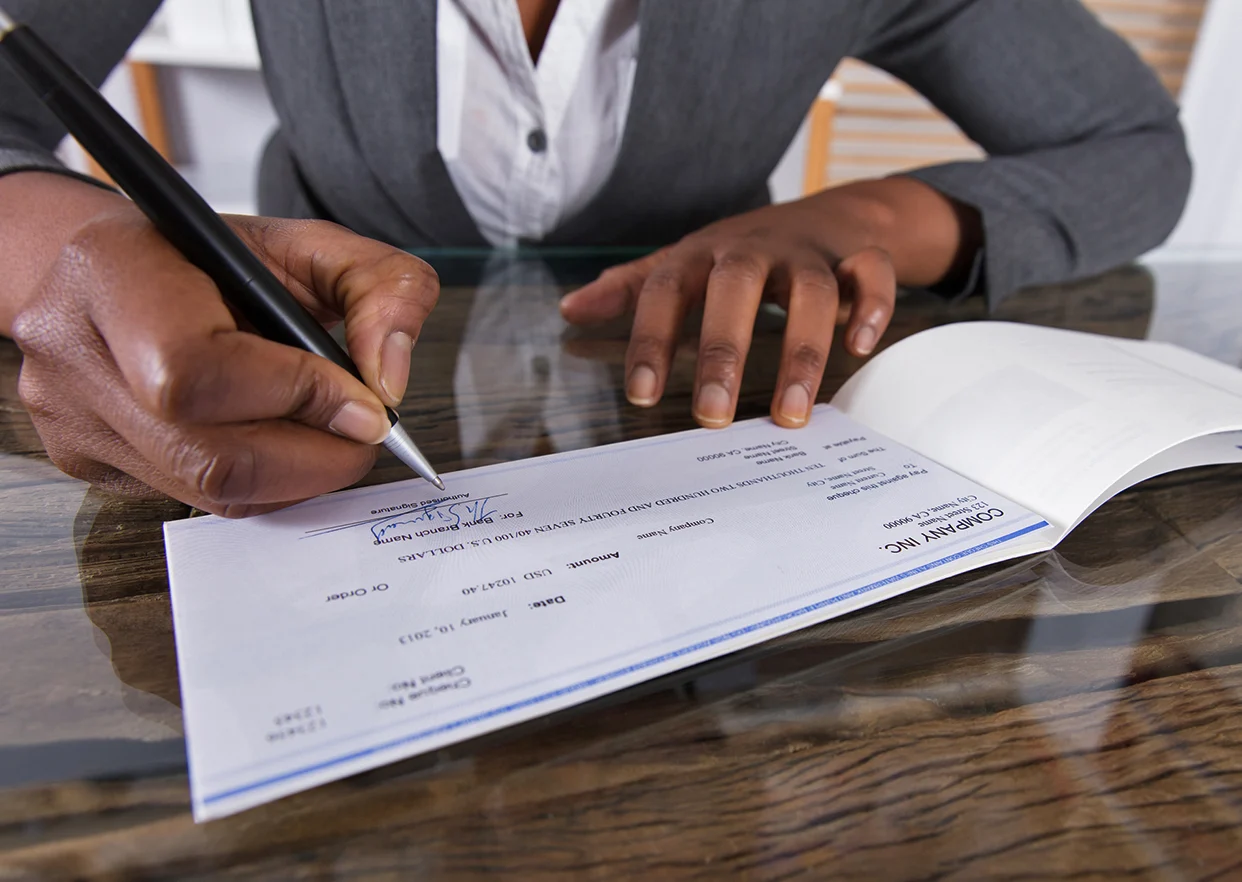
Paper checks may feel old-fashioned, but they still move a surprising amount of money. Payroll, vendor payments, refunds, and legal settlements all rely on them every day. Because checks are physical, they create opportunities for fraud that digital payments avoid. That is why choosing the right check printing service matters more than people expect.
Early on, many businesses focus on price or turnaround time. Security tends to get attention only after a problem shows up. A forged check, altered payee, or stolen batch can cause weeks of cleanup. When you are evaluating business check printing options, security should be the first filter, not the last.
Built-In Check Stock Security
The foundation of check protection starts with the paper itself. Secure check stock is designed to resist copying, alteration, and casual theft. Not all check paper is equal, and cheap stock often lacks the features that stop fraud at the source.
Look for check stock that includes a security background pattern. These patterns distort when photocopied, making duplicates obvious. Many secure checks also include a void pantograph. When someone attempts to copy the check, the word VOID appears clearly across the background.
Another important detail is chemical sensitivity. Secure check stock reacts visibly when exposed to common alteration chemicals. If someone tries to wash or change the ink, the paper stains or discolors, making tampering easy to spot.
Microprinting and Fine Line Detail
Microprinting is one of the simplest yet most effective security features. It uses extremely small text that looks like a solid line to the naked eye. When magnified, the text becomes readable. Copiers and scanners cannot reproduce this level of detail accurately.
You will usually see microprinting along signature lines, borders, or endorsement areas. On a fake check, these lines often appear broken or blurry. Banks and fraud investigators are trained to look for this.
Fine line borders work the same way. They use thin, complex line patterns that break down when copied. While these features do not stop theft outright, they make detection much easier, which discourages repeat fraud attempts.
Secure Check Layout and Design Controls
The layout of a check matters more than people think. Good check printing services follow standardized spacing and formatting that banks expect. This consistency reduces processing errors and makes fraud easier to catch.
One key element is positive pay compatibility. Checks should be designed so payee name, amount, and check number align cleanly with banking systems. If your printer supports secure layout controls, it becomes harder for altered checks to slip through unnoticed.
Another layout consideration is restricted endorsement areas. Clearly marked endorsement zones reduce the risk of back-of-the-check alterations. This is especially useful for mailed checks that pass through multiple hands.
MICR Encoding Accuracy and Protection
The MICR line at the bottom of the check is critical. It contains routing numbers, account numbers, and check numbers printed in magnetic ink. Banks rely on this line for automated processing.
Secure check printers use high-quality magnetic ink and strict calibration. Poor MICR printing can cause misreads, rejected deposits, or even account exposure. Worse, low-quality MICR lines are easier to replicate.
Some services also offer MICR protection features. These include controlled numbering sequences and audit logs that track which check numbers were printed and when. If a fraudulent check appears, tracing its origin becomes much simpler.
Data Handling and Information Security
Physical security means little if digital data is mishandled. A trustworthy check printing service should treat your banking information with the same care as financial institutions.
Ask how customer data is stored and transmitted. Encryption should be standard, both in transit and at rest. Access controls matter too. Only authorized personnel should be able to view or process sensitive information.
It is also worth checking retention policies. A good provider limits how long your data is stored and has clear deletion practices. Old data sitting around creates unnecessary risk.
Production and Facility Security
Where and how checks are printed is just as important as what is printed on them. Secure providers operate controlled production environments.
Look for facilities with restricted access, surveillance, and background checked staff. Printing areas should be separated from general office space. Finished checks should never be left unsecured, even briefly.
Some services also log every production run. These logs track quantities, dates, and destinations. If a shipment goes missing or extra checks appear, the issue can be investigated quickly instead of guessed at.
Packaging, Shipping, and Delivery Safeguards
Checks are vulnerable after they leave the printer. Secure packaging and delivery protocols help close this gap.
Tamper evident packaging is a must. If a package is opened in transit, it should be obvious. Plain outer packaging is another good practice, it avoids advertising what is inside.
Reliable printers offer tracked shipping and delivery confirmation. Some even allow split shipments for large orders, reducing risk if one package is lost or stolen.
A quick checklist of delivery related features to look for:
- Tamper evident seals on all check packages
- Tracking numbers provided automatically
- Signature required delivery options
- Clear chain of custody documentation
Fraud Prevention Tools and Monitoring
Some check printing services go beyond physical security and offer fraud prevention tools. These features help detect suspicious activity before damage spreads.
Positive pay file support is one example. The printer helps generate files that match issued checks against presented ones. Banks can then flag mismatches automatically.
Another useful feature is duplicate detection. If the same check number or amount is printed more than once, the system alerts someone before the checks are released.
These tools do not replace bank controls, but they add another layer. Fraud prevention works best when several systems overlap.
Compliance and Industry Standards
Security claims are easier to trust when they are backed by standards. Reputable check printers comply with recognized industry and regulatory requirements.
Look for references to SOC audits, ISO standards, or payment industry security frameworks. While check printing is not card processing, many of the same principles apply.
Compliance also signals maturity. A provider that invests in audits and certifications is more likely to take security seriously across the board.
Customer Controls and Approval Workflows
Security improves when customers have control. The best check printing services allow you to set approval workflows and user permissions.
This means one person can upload check data while another approves it before printing. It reduces internal fraud risk and simple mistakes.
Audit trails are part of this as well. You should be able to see who submitted, approved, and released each print job. When something goes wrong, clarity saves time and stress.
Balancing Security With Practical Use
High security does not have to mean inconvenience. In fact, overly complex systems often lead people to work around them, which creates new risks.
The goal is layered protection that fits your workflow. Secure paper, accurate MICR, strong data handling, and controlled production all work together. When these elements are in place, checks become harder to misuse and easier to trust.
Choosing a check printing service is not just a purchasing decision. It is part of your financial risk management. Paying attention to security features upfront helps protect cash flow, reputation, and a lot of future headaches.