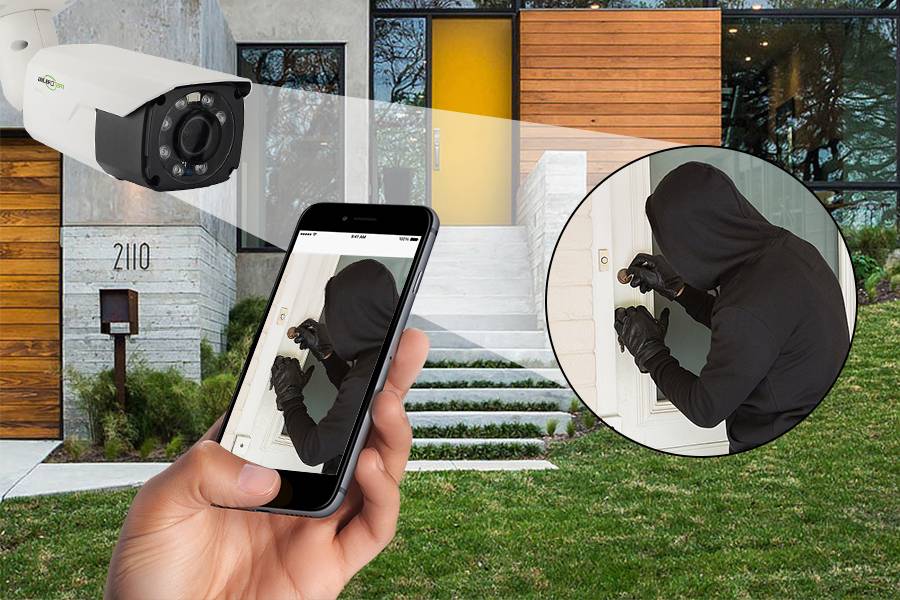
Choosing the right security camera system is one of the most important steps you can take to protect your home or business. With so many models and features available, it can be difficult to know which options actually matter and which are simply marketing extras. The best security cameras combine clear video, reliable performance, smart technology, and ease of use to give you peace of mind day and night. Whether you are protecting a small residence or a large commercial property, understanding the core features will help you make a confident and informed decision.
High Resolution Video Quality
Video resolution is one of the first features to evaluate when shopping for security cameras. Higher resolution means clearer images, sharper details, and a better chance of identifying faces, license plates, or other critical elements. Most modern systems offer at least 1080p full HD, which is suitable for general monitoring. For larger properties or areas where detail is essential, 2K or 4K resolution cameras provide superior clarity. While higher resolution requires more storage, the trade off is often worth it for improved security and evidence quality.
Reliable Night Vision
Security does not stop when the sun goes down, which makes night vision a critical feature. Infrared night vision allows cameras to capture clear footage in low or no light conditions. Some advanced models also offer color night vision using low light sensors or built in spotlights. This feature can provide more detail than traditional black and white infrared footage. When evaluating night vision, consider the camera’s effective range and how well it performs in complete darkness.
Wide Field of View
A wide field of view allows a single camera to cover more area, reducing the number of cameras needed to monitor a space. Most quality security cameras offer a field of view between 120 and 180 degrees. A wider angle is especially useful for monitoring large rooms, parking lots, or outdoor spaces. However, extremely wide angles can sometimes cause distortion, so it is important to balance coverage with image accuracy.
Motion Detection and Alerts
Modern security cameras rely heavily on motion detection to provide timely alerts and reduce unnecessary recordings. Advanced motion detection systems can distinguish between people, animals, and vehicles, minimizing false alarms caused by shadows or moving branches. Customizable motion zones allow you to focus on specific areas such as entryways or gates. Real time alerts sent to your smartphone or email ensure you can respond quickly to potential threats.
Two-Way Audio Communication
Two-way audio adds an interactive layer to your security system. Cameras with built in microphones and speakers allow you to hear what is happening and speak through the camera using a mobile app. This feature is useful for greeting visitors, warning intruders, or communicating with delivery personnel. For businesses and homes alike, two-way audio can act as both a convenience and a deterrent.
Weather Resistance and Durability
Outdoor security cameras must be able to withstand harsh environmental conditions. Look for cameras with weather resistant ratings that protect against rain, dust, heat, and cold. Durable housing materials and proper sealing help ensure long-term performance. This is especially important in environments with extreme temperatures or frequent storms. Reliable outdoor cameras continue to function consistently without frequent maintenance or replacement.
Wired vs Wireless Options
Security cameras are available in both wired and wireless configurations, each with its own advantages. Wired cameras typically provide more stable connections and continuous power, making them ideal for permanent installations. Wireless cameras are easier to install and offer greater flexibility in placement, often relying on batteries or solar power. When choosing between the two, consider your property layout, power availability, and long-term maintenance preferences.
Storage Options and Video Retention
Video storage is another key consideration when selecting a security camera system. Some cameras store footage locally on microSD cards or network video recorders, while others use cloud-based storage. Cloud storage offers remote access and protection against physical damage to the camera but often requires a subscription. Local storage avoids ongoing fees but may have limited capacity. The best option depends on how long you want to retain footage and how you plan to access it.
Smart Home and System Integration
Integration with other smart devices can significantly enhance the functionality of your security cameras. Many systems work seamlessly with smart locks, alarms, lighting, and voice assistants. This allows you to create automated routines such as turning on lights when motion is detected or viewing camera feeds through a smart display. For businesses and homeowners looking for a unified security solution, integration is an important feature to prioritize.
Remote Access and Mobile Apps
A user-friendly mobile app is essential for managing your security cameras effectively. Remote access allows you to view live feeds, review recordings, adjust settings, and receive alerts from anywhere. The best apps are intuitive, responsive, and regularly updated to improve performance and security. Reliable remote access ensures you stay connected to your property even when you are away.
Privacy and Data Security
With increased connectivity comes the need for strong data protection. Security cameras should include features such as encrypted video streams, secure login authentication, and regular firmware updates. Privacy controls that allow you to disable recording in certain areas or at specific times are also valuable. Protecting your data is just as important as protecting your physical space.
Scalability for Future Needs
As your security needs grow, your camera system should be able to grow with you. Scalable systems allow you to add more cameras, upgrade storage, or integrate additional features without replacing the entire setup. This is especially important for businesses planning future expansion or homeowners who may want additional coverage later on.
Professional Monitoring and Support
Some security camera systems offer optional professional monitoring services that provide an extra layer of protection. With professional monitoring, trained personnel can respond to alerts and contact emergency services if needed. Reliable customer support and warranties are also important considerations. A company that stands behind its products can save you time and frustration in the long run.
Choosing the Right Cameras for Your Location
Every property has unique security requirements, which is why location specific considerations matter. Urban areas, tourist destinations, and high traffic regions may require more advanced features such as higher resolution and intelligent motion detection. For example, businesses and homeowners researching Las Vegas security cameras often prioritize durability, wide coverage, and reliable night performance due to the city’s environment and activity levels. Selecting features that align with your specific location ensures optimal results.
Final Thoughts on Security Camera Features
Investing in the right security camera system is about more than just installing a device on the wall. It involves choosing features that provide clear visibility, reliable alerts, secure data handling, and ease of use. By focusing on resolution, night vision, motion detection, storage, and integration, you can build a system that truly enhances safety and peace of mind. Taking the time to evaluate these features will help ensure your security cameras meet your needs today and continue to protect you well into the future.