Electric water heaters play a vital role in maintaining daily comfort and convenience in any home. From hot showers to clean dishes and efficient laundry cycles, your water heater works constantly behind the scenes. Just like any major home appliance, it requires ongoing attention to perform at its best. Whether you want to extend its lifespan, improve efficiency, or avoid costly breakdowns, learning how to care for it properly can save time, money, and frustration. This guide covers the most essential electric water heater repair and maintenance tips every homeowner should know, so you can take a proactive approach and enjoy reliable performance for years to come.
Understand How Your Electric Water Heater Works
Before diving into maintenance tasks, it is helpful to understand how your electric water heater functions. An electric water heater uses heating elements inside the tank to warm cold water. A thermostat controls the temperature settings, and insulation around the tank helps retain heat. The system also includes a dip tube for incoming cold water, an anode rod that helps prevent corrosion, and a pressure relief valve that protects the unit from dangerous pressure buildup. When you understand the role each component plays, you are better prepared to identify early warning signs that suggest repairs or adjustments are needed.
Signs Your Water Heater May Need Repairs Soon
Homeowners can prevent major failures by catching early symptoms of trouble. Common signs that your system may require electric water heater repair include inconsistent water temperatures, reduced hot water supply, unusual popping or hissing noises coming from the tank, visible rust or corrosion around fittings, water that appears rusty or has a metallic smell, leaks around the base of the unit, and higher energy bills without increased usage. Addressing these problems quickly helps prevent additional damage and keeps the heater running efficiently.
Flush the Tank to Remove Sediment Buildup
One of the most important maintenance tasks for electric water heaters is flushing the tank. Over time, minerals and sediment naturally accumulate at the bottom of the tank. This buildup forces the heating elements to work harder to heat the water, reducing efficiency and increasing energy costs. It can also cause loud rumbling noises and shorten the lifespan of the unit. Flushing the tank once or twice each year removes sediment and keeps the system operating smoothly. The steps involve turning off the power to the heater, attaching a hose to the drain valve, and draining the tank until the water runs clear. If you are unsure how to safely perform this task, contacting a professional in electric water heater repair is the best approach.
Inspect and Replace the Anode Rod
The anode rod is a crucial component that protects the tank from corrosion. It is made of aluminum or magnesium and attracts corrosive minerals in the water, preventing them from damaging the tank lining. Over time, the rod deteriorates and can no longer provide protection. Checking the anode rod every one to three years and replacing it when necessary can extend the life of your water heater significantly. A worn or thinning rod should be replaced as soon as possible. Homeowners who live in areas with hard water may need to inspect it more frequently, as mineral content accelerates corrosion.
Test the Temperature and Pressure Relief Valve
The temperature and pressure relief valve, often called the T and P valve, is a safety feature designed to release excess pressure from the tank. If this valve fails, pressure can build to dangerous levels. Testing it at least once a year is an important maintenance step. To test it, carefully lift the lever on the valve for a few seconds and allow water to flow through the discharge pipe. If water does not flow or the valve leaks afterward, it may need replacement. Keeping this component in proper working order helps protect your home from potential damage.
Check Thermostat Settings for Safety and Efficiency
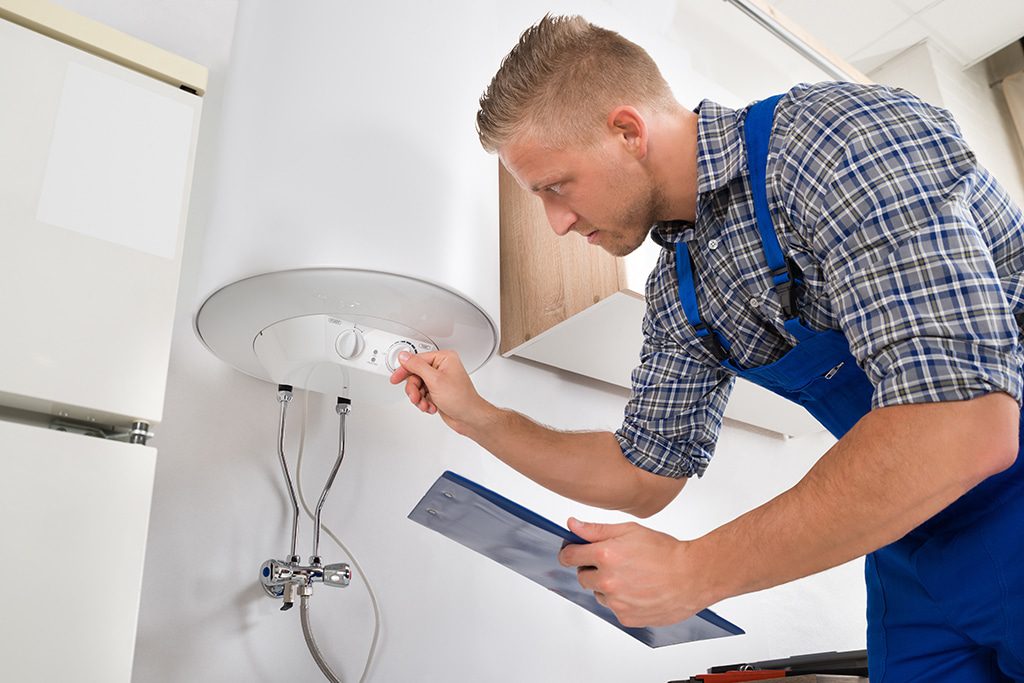
Many water heaters have adjustable thermostats that allow you to change the water temperature. Setting the thermostat to around 120 degrees is generally recommended for both safety and efficiency. Higher temperatures increase the risk of scalding and result in higher energy consumption. If you notice inconsistent water temperatures or extremely hot water, it may indicate a malfunctioning thermostat. In this case, scheduling an electric water heater repair appointment can help diagnose and fix the problem before it worsens.
Examine Heating Elements for Wear and Tear
Electric water heaters contain heating elements that warm the water inside the tank. Over time, these elements can burn out or become coated with mineral deposits, especially in homes with hard water. If your hot water supply is running out faster than usual or if the water never gets as hot as it should, the heating elements may be failing. Replacement requires shutting off power to the unit and removing the old elements, which should only be done by someone familiar with water heater repairs. A professional technician can quickly identify faulty elements and replace them, restoring the heater’s performance.
Insulate the Tank and Hot Water Pipes
Insulating your water heater and the surrounding hot water pipes is a simple but effective way to improve efficiency. Insulation blankets designed for tanks help prevent heat loss, allowing the water to stay warm longer without requiring constant reheating. Likewise, insulating pipes reduces heat loss as water travels through your home. This results in more consistent temperatures and lower energy bills. Be careful not to cover the thermostat or heating element access panels, as this can create a hazard.
Address Leaks Immediately
A leaking water heater should never be ignored. Even small drips can indicate a serious problem developing inside the tank. Common sources of leaks include loose drain valves, worn gaskets, or failing pressure relief valves. If the tank itself is leaking, it usually means corrosion has compromised the structural integrity, and the unit needs to be replaced. Catching leaks early prevents water damage to surrounding flooring or walls. If you cannot identify the cause on your own, a professional specializing in electric water heater repair can assess the issue and determine the right fix.
Install a Water Softener if You Have Hard Water
Hard water contains high levels of minerals like calcium and magnesium that accelerate sediment buildup and corrosion inside your water heater. If your home has hard water, installing a water softener can reduce mineral content and help protect your system. This also improves overall efficiency, reduces strain on the heating elements, and extends the lifespan of the unit. A water softener benefits other household appliances as well, including dishwashers and washing machines.
Schedule Annual Professional Maintenance
While homeowners can perform many basic maintenance tasks, annual professional service is highly recommended. A licensed technician can inspect internal components, test the electrical system, identify hidden problems, and make necessary adjustments. This ensures that your water heater continues to run safely and efficiently. Professional maintenance also reduces the likelihood of surprise breakdowns, which are often more expensive to fix. Regular inspections are especially important for older units or systems that have already required several repairs.
Know When It Is Time to Replace the Water Heater
Even with proper maintenance, every water heater eventually reaches the end of its lifespan. Most electric models last eight to twelve years, depending on usage and water quality. Signs that it may be time for replacement include frequent repairs, rust-colored water, persistent leaks, or reduced efficiency. Upgrading to a modern energy-efficient model can lower utility costs and provide a more reliable hot water supply. A qualified technician can help you determine whether repair or replacement is the better option based on the condition of your current system.
Final Thoughts
Taking care of your water heater is essential for ensuring reliable performance and avoiding costly issues. With regular inspections, timely repairs, and consistent maintenance, you can keep your system running efficiently and extend its lifespan. Whether you choose to perform basic upkeep yourself or rely on professional support, staying informed helps you make the best decisions for your home. If you ever experience symptoms like inconsistent temperatures, leaks, or unusual noises, contacting an expert in electric water heater repair will help prevent further damage and restore your system quickly.