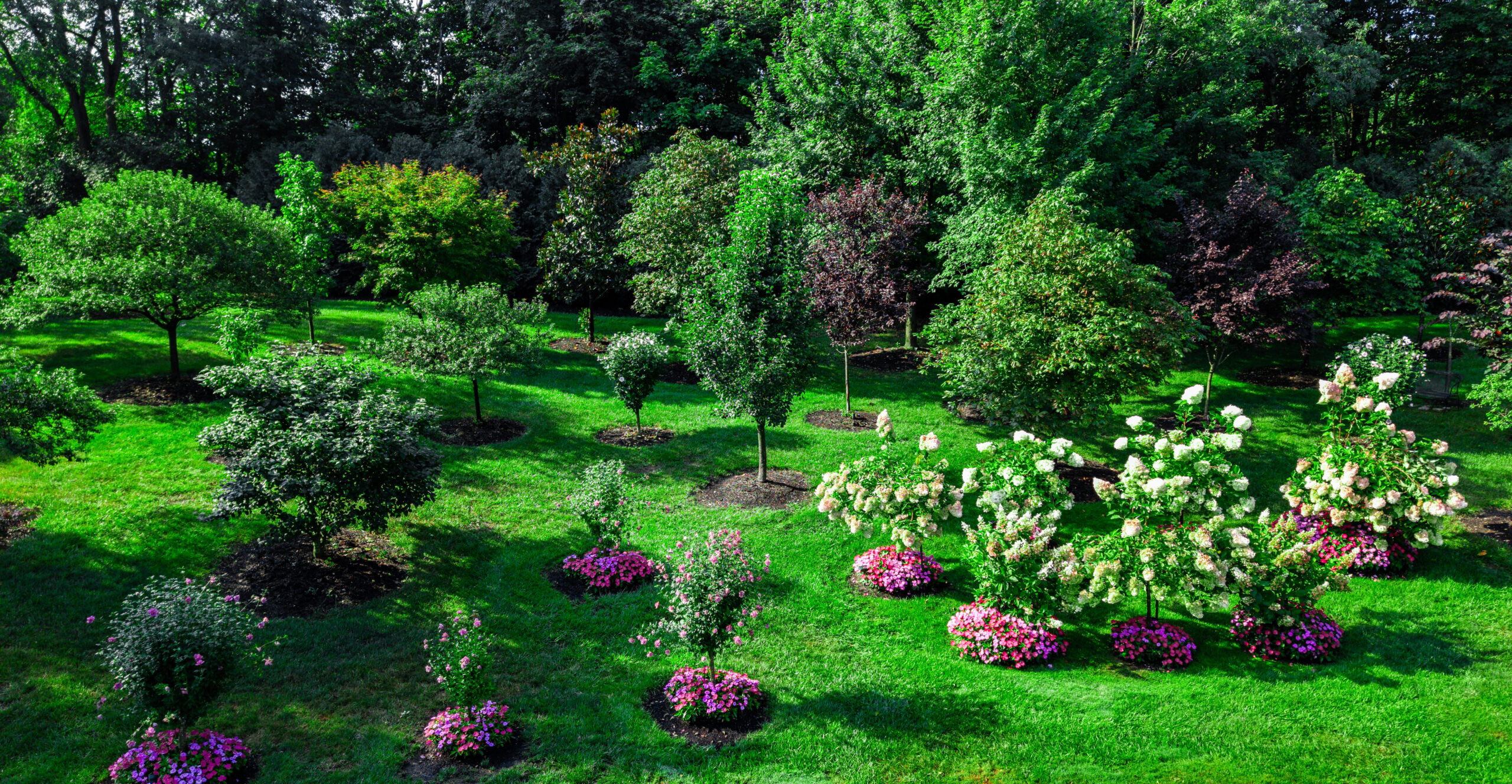
When I sit down with a cup of coffee to look over a new set of landscape plans, I often find myself thinking about the journey that brought us here. My name is Jeremy Cable, and along with my brother Justin and our dad Larry, I run this company. We have spent a lot of years in the dirt, learning lessons the hard way so you don’t have to.
Landscaping is a funny business. Everyone knows what a beautiful yard looks like—we all have that picture in our heads from a magazine or a neighbor down the street. But very few people see the hundreds of small decisions, calculations, and adjustments that go into making that picture a reality. It is not just about digging holes and dropping in green things. It is about engineering, biology, and a little bit of art, all working together.
We don’t claim to know everything, but we have certainly seen a lot. We have seen what works in our Ohio clay, and we have seen what fails when the winter winds hit. If you are thinking about transforming your outdoor space, whether it is a sprawling backyard renovation or a simple refresh of your front beds, there are some key principles that can make the difference between a project you enjoy and one that becomes a headache. Here are the top 7 things we think you should consider before the first shovel hits the ground.
1. Function Always Beats Fashion
The biggest trap we see folks fall into is falling in love with a “look” before they figure out the “lifestyle.” It is easy to get caught up in trends. Maybe you saw a sleek, modern concrete patio on Pinterest, or a massive English cottage garden on Instagram. Those are great inspirations, but the first question I always ask is: “What are you actually going to do out here?”
Design has to follow function. If you have two big dogs and three active kids, that delicate cottage garden with fragile perennials might get trampled in a week. If you love to host dinner parties for twenty people, a cozy 10×10 patio isn’t going to cut it, no matter how nice the pavers are. We encourage you to map out your life. Do you need a clear sightline from the kitchen window to the play area? Do you need a wide path for taking the trash cans out? Do you hate weeding?
We try to approach every design like a puzzle. The pieces are your needs, and the picture is the final landscape. If we force a piece that doesn’t fit just because it looks cool, the whole puzzle falls apart. We want to build spaces that handle real life—muddy boots, soccer balls, family reunions, and all.
2. Respect the Commercial Reality of Curb Appeal
While we do a lot of residential work, the principles of good design apply universally. We often find that homeowners can learn a lot from how businesses approach their landscapes. When a business invests in landscaping, they aren’t just doing it for vanity; they are doing it to direct traffic, ensure safety, and create a welcoming atmosphere that reflects their brand.
We apply this same logic when we act as a commercial landscape company for local businesses. We look at “desire lines”—the paths people naturally take to get from their cars to the door. We look at sightlines for safety and signage visibility. Homeowners should do the same. Does your front walkway intuitively lead guests to the front door, or does it force them to squeeze past a prickly holly bush? Is your house number visible? Is the path well-lit? Thinking like a business owner can help you prioritize practical elements that add immense value and usability to your home, ensuring your property works for you, not against you.
3. The Soil is the Boss
You can buy the most expensive, healthy plants in the nursery, but if you put them in bad dirt, they aren’t going to make it. Here in the Miami Valley, we deal with a lot of heavy clay soil. It holds water like a bathtub and turns into concrete when it dries out.
A huge part of our design process happens underground. Before we worry about which hydrangea variety to pick, we have to look at drainage. Does water pool near the foundation? Do we need to install French drains or grade the land differently? We also look at soil amendments. Sometimes we have to till in organic compost to break up that clay and give the roots a fighting chance.
It isn’t the glamorous part of the job. Nobody invites their neighbors over to stare at the soil amendments. But in our experience, the success of a landscape is 90% preparation and 10% planting. We try to be honest with our clients that spending budget on soil prep is never a waste; it is the insurance policy for everything else we plant.
4. Hardscaping is the Skeleton
If plants are the flesh and skin of a landscape, the hardscaping (patios, walls, walkways) is the skeleton. It gives the property structure. Without good bones, the landscape just feels like a collection of plants.
When designing hardscapes, we think about permanence. A tree can be moved (with effort), but a retaining wall is there to stay. We have to consider the freeze-thaw cycles we get in Ohio. The ground here moves. It expands when it freezes and shrinks when it thaws. If the base under your patio isn’t deep enough or compacted correctly, those pavers will heave and settle, leaving you with a tripping hazard.
We spend a lot of time calculating slopes and base depths. We look at materials that complement the architecture of your house. We want the patio to look like it was built with the house, not stuck on as an afterthought. Whether it is natural stone or manufactured pavers, the goal is stability and integration. We want you to be able to walk out there with your coffee in ten years and have it look just as level as the day we laid it.
5. Designing for the Dead of Winter
It is easy to make a yard look good in May. Everything is blooming, the grass is green, and the birds are singing. But we live in Ohio. For five months out of the year, it is likely going to be gray, cold, and possibly covered in snow.
A thoughtful design considers the “winter interest.” This is where texture and structure come into play. We like to use plants that keep their leaves (evergreens) or have interesting bark (like River Birch) or structural branches (like Dogwood) that look good against a snowy backdrop. We also use ornamental grasses that turn a beautiful golden color and stand up through the winter.
If you only plant perennials that die back to the ground in October, you are going to be looking at a patch of bare mulch until April. We try to layer the design so that there is always something catching the eye, no matter the season. It makes those long winter months a little more bearable when you can look out the window and still see life and structure in your garden.
6. The Truth About Maintenance
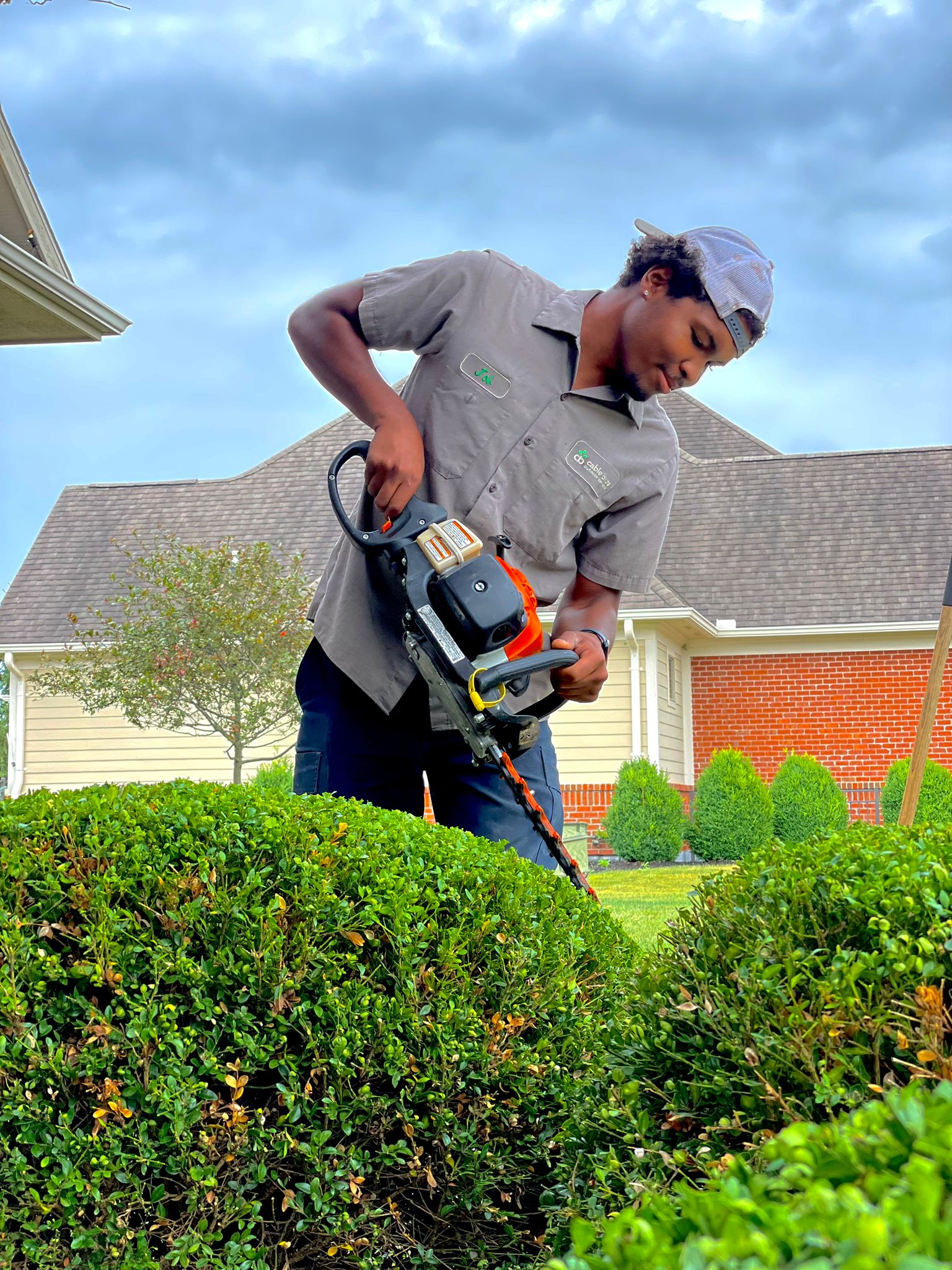
I will be the first to tell you: there is no such thing as a “no-maintenance” landscape. If it is outside, nature is going to try to reclaim it. Weeds will blow in, leaves will fall, and plants will grow. However, there is a huge difference between “low maintenance” and a part-time job.
During the design phase, we have to have an honest conversation about how much work you want to do. If you love spending your Saturdays deadheading flowers and pruning shrubs, we can design a lush, complex garden for you. But if you want to spend your weekends golfing or relaxing, we need to choose a different palette.
We lean heavily on native plants and hardy varieties that are adapted to our climate. These plants generally need less water and less babying. We also look at spacing. A common mistake is planting things too close together because they look small in the pot. Three years later, they are fighting for space and overgrown. We design for the mature size of the plant, which saves you from having to constantly prune them back just to keep them off the sidewalk. Being realistic about maintenance from day one saves a lot of frustration down the road.
7. Lighting and Water: The Invisible Systems
Finally, we have to talk about the things you don’t really see until you need them: irrigation and lighting. A landscape is a living thing, and it needs water. While we try to choose drought-tolerant plants, getting them established requires consistent moisture.
We often recommend integrating smart irrigation systems that waste less water. These aren’t the old timers that water the sidewalk while it is raining. New technology uses weather data to water only when necessary. It protects your investment in the plants.
Then there is lighting. Most people see their yards during the day on weekends, but during the week, you might only be home in the evenings. Low-voltage landscape lighting extends the usability of your space. It isn’t about making it look like a landing strip; it is about subtle accents. Uplighting a tree, washing a stone wall with soft light, or illuminating a path for safety changes the entire feel of the home. It adds depth and security. We think about these systems early in the design process because running wire and pipe is a lot easier before the patio is laid than after.
Conclusion: Let’s Build Something That Lasts
At the end of the day, your landscape is an investment in your home and your quality of life. It is where you will make memories with your family. We take that responsibility seriously. We are just a family business, but we have dedicated our lives to understanding how these outdoor spaces work.
We are grateful for every family that invites Cable Bros Outdoor Living & Landscaping onto their property. We don’t try to be the biggest outfit in the state; we just try to be the team that listens, works hard, and leaves things better than we found them. If you are ready to start planning your next project, we would love to sit down, look at your ideas, and help you build a plan that makes sense for you. Let’s get to work.