Automatic watches are more than timekeeping tools—they’re precision instruments built to last decades when handled correctly. Yet many collectors unknowingly shorten the lifespan of their watches through improper storage and handling. Whether you own a single automatic piece or a growing collection, understanding how to maintain movement health is essential.
This guide explores seven practical, reader-focused considerations that influence how automatic watches perform over time. These insights are especially useful for collectors in regions like the UK, where climate, storage habits, and lifestyle can directly affect mechanical watches.
1. Consistent Movement Is More Important Than Most Realise
Automatic watches rely on regular motion to keep internal lubricants evenly distributed. When left idle for long periods, oils can settle, causing friction and premature wear.
For collectors who rotate watches frequently, maintaining movement consistency becomes a challenge. This is why many enthusiasts quietly research solutions often discussed alongside topics like the best watch winders, even if they don’t immediately invest in one.
The key takeaway: extended inactivity is rarely ideal for mechanical movements.
2. Storage Environment Directly Affects Longevity
Where you store your watch matters more than how often you wear it. Excess humidity can damage internal components, while extreme dryness may affect seals over time.
In the UK, fluctuating weather conditions make climate-controlled storage especially relevant. Collectors often compare storage setups when reading about the best watch winders UK, as environmental stability is a recurring theme in expert discussions.
A stable, dust-free, and temperature-controlled space is always preferable to a random drawer or bedside table.
3. Rotation Habits Should Match Your Collection Size
Wearing each watch evenly sounds simple, but it becomes unrealistic as collections grow. A three-watch rotation is manageable; a ten-watch collection is not.
This is where many collectors reassess their routines and look into automated rotation aids—not for luxury, but for practicality. Editorial articles frequently mention how experienced collectors streamline rotation rather than forcing wear schedules.
The goal isn’t perfection—it’s balance between use and rest.
4. Overwinding and Underuse Are Both Common Mistakes
There’s a misconception that manually winding an automatic watch frequently is always beneficial. In reality, excessive winding can strain components, while long periods of inactivity can be equally harmful.
Modern solutions aim to replicate natural wrist motion rather than replace it. This balance is why neutral guides often reference discussions around the best watch winders without framing them as must-have accessories.
Understanding your watch’s power reserve helps avoid both extremes.
5. Noise, Direction, and Settings Are Often Overlooked
Collectors sometimes focus on aesthetics while ignoring functional details. For example, not all automatic movements wind in the same direction, and incorrect settings may reduce efficiency.
Quiet operation is another overlooked factor, especially for those storing watches in bedrooms or offices. This is a frequent consideration in UK-based reviews, where living spaces are often compact and shared.
Functionality should always come before appearance when choosing any watch-care solution.
6. Long-Term Maintenance Is More Than Just Servicing
Professional servicing every few years is essential, but daily care plays an equally important role. Proper storage, reduced exposure to magnetic fields, and consistent movement all contribute to longer service intervals.
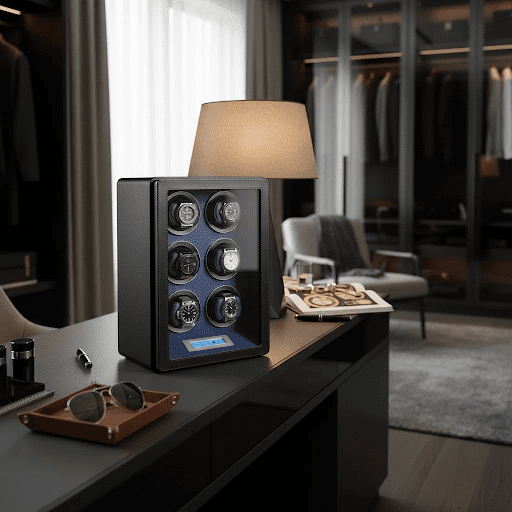
Collectors who prioritise preventative care often find themselves researching storage systems, reading comparisons, and exploring guides related to the best watch winders UK market—not to buy impulsively, but to understand what aligns with their needs.
Maintenance is a habit, not a one-time decision.
7. Personal Lifestyle Should Shape Your Watch Care Choices
A frequent traveller, a desk-based professional, and an occasional wearer all have different needs. There’s no universal solution for automatic watch care.
The most effective setups are lifestyle-driven rather than trend-driven. Editorial blogs often stress this point: the “best” option is the one that fits your routine, not the most talked-about product.
Awareness of how you interact with your watches is the foundation of proper care.
Final Thoughts
Preserving automatic watches is about understanding mechanics, habits, and environment—not chasing accessories or trends. While topics like the best watch winders naturally appear in collector conversations, they’re part of a broader discussion about consistency and care rather than quick fixes.
By focusing on movement balance, proper storage, and realistic rotation habits, collectors can extend the life and performance of their watches without overcomplicating the process.
Frequently Asked Questions
Q1: How long can an automatic watch safely remain unworn?
Most automatic watches can sit idle for a few days without issue, but weeks or months of inactivity may affect lubricant distribution.
Q2: Is climate really a concern for watch storage in the UK?
Yes. Humidity and temperature fluctuations common in the UK can impact seals and internal components over time.
Q3: Do all automatic watches wind the same way?
No. Some movements wind in one direction, others bidirectionally. Knowing this helps avoid inefficient setups.
Q4: Are automated storage solutions necessary for small collections?
Not always. For one or two watches, regular wear may be sufficient without additional tools.
Q5: Can improper storage increase servicing costs?
Yes. Poor storage can lead to moisture damage or uneven wear, resulting in more frequent or expensive servicing.