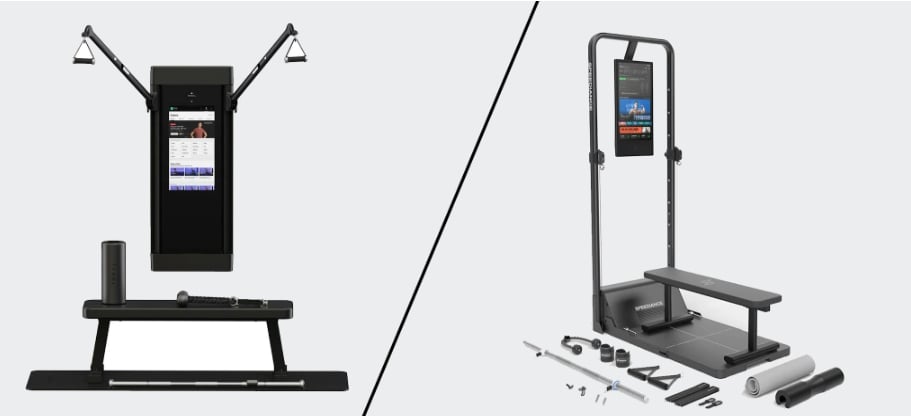
Home workouts have changed a lot in the last few years. What used to mean a treadmill in the corner or a dusty set of dumbbells now looks more like a fully connected smart gym with AI coaching, resistance technology, and guided training programs. Tonal helped push that shift into the mainstream. Its sleek wall-mounted design and digital weight system made a lot of people rethink what a home gym could actually do.
But here’s the thing — Tonal isn’t the only option anymore. And for many people, it may not even be the best fit.
If you’ve been comparing smart gyms lately, chances are you’ve already come across at least one tonal alternative. Some are more compact. Some are cheaper in the long run. Others offer more flexibility without requiring permanent wall installation. And one product that keeps coming up in conversations lately is the Speediance Gym Monster 2.
So, how does Tonal really compare to its alternatives? And more importantly, which one actually makes sense for your lifestyle, training style, and budget?
Let’s break it down in a practical way.
Why People Still Love Tonal
There’s no denying that Tonal made a huge impression when it launched. The system looks modern, feels premium, and fits beautifully into smaller homes. Since it mounts directly to the wall, it saves space and gives your workout area a clean, minimal setup.
The digital resistance is another major reason people like it. Instead of stacking plates or adjusting dumbbells, Tonal automatically adjusts resistance. That makes workouts smoother and surprisingly immersive. The built-in coaching, progress tracking, and adaptive weight adjustments also help beginners feel less overwhelmed.
For busy people who want a guided fitness experience without stepping into a gym, Tonal does a lot right.
But once the excitement wears off, some drawbacks start becoming harder to ignore.
The biggest one? Installation.
Because Tonal needs professional wall mounting, not every home setup works well for it. Renters especially run into problems. You also have to think about the ongoing subscription costs. Without the membership, many of the smart features feel limited, and that monthly fee adds up over time.
That’s exactly why more people have started looking for a tonal alternative that offers similar smart features with fewer restrictions.
The Rise of the Speediance Gym Monster 2
When people search for a serious tonal alternative today, the Speediance Gym Monster 2 is usually one of the first names mentioned. And honestly, it makes sense.
Unlike Tonal, the Speediance gym Monster 2 doesn’t need to be drilled into your wall. It arrives as a freestanding unit, which immediately makes it more flexible for apartments, rented homes, or anyone who simply doesn’t want permanent installation.
That alone is a huge deal for a lot of users.
But what really surprises people is how complete the system feels. You’re not just getting resistance cables and a screen. The setup supports strength training, rowing, squats, deadlifts, bench work, HIIT-style sessions, and more without needing an entire room full of equipment.
In real-world use, that versatility matters more than flashy marketing.
Another thing people appreciate about the Speediance gym Monster 2 is how fast it is to start using. You don’t need to schedule installation appointments or modify your walls. You can move it if you rearrange your home. If you relocate, you can take it with you without a headache.
That level of convenience is hard to ignore once you’ve experienced it.
Tonal vs Speediance Gym Monster 2: Everyday Experience
On paper, both systems look advanced. Both offer digital resistance. Both provide guided workouts. Both are designed to replace multiple pieces of gym equipment.
But living with them day-to-day feels a bit different.
Tonal feels very polished and studio-like. If aesthetics matter a lot to you and you want something that blends almost invisibly into your wall, Tonal definitely wins in that department. It feels futuristic.
The Speediance gym Monster 2 feels more practical and flexible. It’s built for people who want freedom in how they train. You can reposition it more easily, perform a wider range of movement patterns without worrying about wall angles, and generally adapt the setup to your routine rather than adapting your routine to the machine.
That difference becomes more noticeable after a few months of ownership.
There’s also the question of accessories and training styles. Many users feel the Speediance system gives them more variety right out of the box, especially for full-body workouts and functional fitness training.
And then there’s cost.
Tonal’s upfront price already sits in the premium category, but once you add installation fees and ongoing subscriptions, the total investment becomes pretty significant. The Speediance gym Monster 2 isn’t cheap either, but many buyers feel they’re getting more flexibility for the money.
That’s why it keeps appearing at the top of almost every tonal alternative discussion online.
Which One Is Better for Small Spaces?
This depends on what “small space” actually means for you.
Tonal technically takes up less floor space because it stays mounted on the wall. In a very compact room, that can look cleaner. But installation clearance requirements still matter, and not every wall works.
The Speediance gym Monster 2 takes up a little more visible space, yet it doesn’t permanently claim your wall. For some people, that tradeoff actually feels more practical. Especially if the workout area doubles as an office, bedroom, or living room.
A lot of apartment users end up preferring freestanding systems because life changes fast. Leases end. Furniture moves around. Priorities shift.
A smart gym that can move with you sometimes ends up being the smarter long-term choice.
Is Tonal Still Worth It in 2026?
For the right person, yes.
If you love minimalist design, want a highly guided workout experience, and don’t mind installation or subscription costs, Tonal still delivers a premium experience. The technology is solid, the workouts are engaging, and the ecosystem feels refined.
But the market has changed.
A few years ago, Tonal felt almost untouchable. Now there are multiple strong competitors offering similar innovation with fewer limitations. That’s what makes the decision harder today.
The Speediance gym Monster 2 especially has become difficult to ignore because it solves several pain points that Tonal users often mention. Portability, easier setup, flexibility, and broad workout support all matter in everyday life more than people initially realize.
And honestly, many buyers today are less interested in flashy branding and more focused on practicality. They want equipment that fits their actual routine instead of forcing them into a very specific ecosystem.
Final Thoughts
Choosing between Tonal and a tonal alternative really comes down to how you plan to use your home gym over the next few years, not just the next few weeks.
Tonal still feels premium, sleek, and highly polished. For some users, that experience alone justifies the investment. But alternatives have caught up quickly, and in some areas they’ve arguably become more practical.
The Speediance gym Monster 2 stands out because it combines smart training technology with flexibility that fits real-world living. No wall installation. Easier portability. Broad workout support. And a setup that feels less restrictive overall.
That doesn’t automatically make Tonal bad. It just means the “best” option isn’t as obvious anymore.
In the end, the better choice is the one you’ll actually enjoy using consistently. Because even the smartest gym in the world becomes useless if it turns into another expensive piece of furniture sitting in the corner.