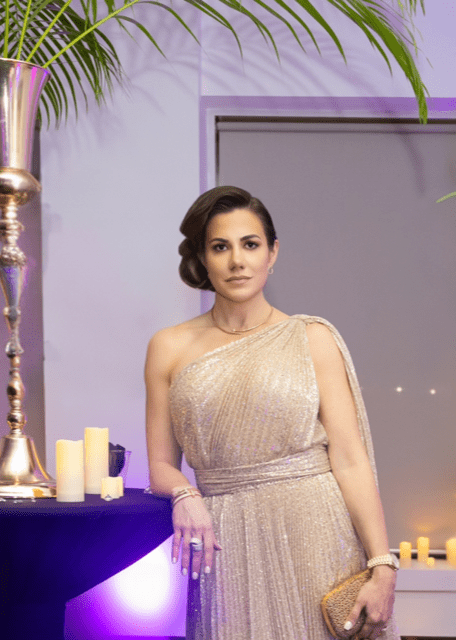
As a new year begins, the conversation around the preservation and future of opera is gaining renewed urgency. Opera’s Vanishing Voices, a poignant documentary now available to global audiences, seeks to challenge the misconceptions surrounding this transformative art form. We sat down with Tina Vidal-Duart, executive producer of Opera’s Vanishing Voices, to discuss the film’s mission to redefine opera’s image, the surprising accessibility of live performances, and why protecting these voices is a cultural imperative for 2026.
Q: The new year often brings a sense of reflection and renewal. Why is this the right moment for Opera’s Vanishing Voices to reignite the global conversation about opera?
Tina Vidal-Duart: Opera companies around the world are facing an existential moment. Just this week, even the Metropolitan Opera announced layoffs and mounting budget deficits. But this isn’t the first time opera’s future has been questioned—and history shows us that reinvention is not only possible, it’s essential. In the 1990s, Luciano Pavarotti reignited global passion for opera through Pavarotti and Friends, boldly blending classical performance with contemporary genres and artists.
Every enduring music genre evolves to stay relevant, especially if it hopes to inspire younger audiences seeking experiences that feel fresh, accessible, and emotionally resonant. Opera is no exception. What’s needed now is a thoughtful industry pivot—one that honors the power and tradition of the art form while embracing innovation through immersive technology, shorter and more engaging productions, native-language performances, and collaborations with today’s popular music.
That evolution is at the heart of Opera’s Vanishing Voices, which takes audiences on a compelling journey from the brink of collapse to creative rebirth. It’s a story of how opera can transform itself—not just to survive, but to captivate new generations and reclaim its place on the world stage.
Q: The documentary features a diverse group of cultural leaders and artists. Can you tell us about the voices featured in the film and how they help redefine the image of opera?
Tina Vidal-Duart: The film features an extraordinary group of artists who are actively reshaping the future of opera. Limmie Pulliam, for example, is breaking barriers as one of the first Black lead opera singers in an art form that has historically been overwhelmingly white. His voice—and the characters he brings to life—serve as powerful representation for young Black and minority audiences, showing them that opera is a space where they belong, and that with passion and determination, there are no limits on who they can become.
Samy Hawk, winner of MTV’s Becoming a Pop Star, electrified Miami audiences by proving that opera can be both impactful and undeniably cool—blending operatic technique with rap and contemporary sound in a way that feels authentic and accessible.
And Nicoletta Pavarotti reminds us that while change often invites skepticism, it is precisely that willingness to evolve that has revived opera in the past—and will do so again.
At its core, this film underscores a universal truth: adaptation is what allows art, and life itself, to survive. Stagnation, on the other hand, leads only to decline.
Q: One of the biggest barriers to opera is the perception of cost and exclusivity. How does the documentary address this, especially in the current entertainment landscape where pop concert tickets can be incredibly expensive?
Tina Vidal-Duart: One of the biggest misconceptions about opera is that it’s expensive or exclusive—when in reality, it’s one of the most cost-effective art forms today. In a world where concert tickets routinely cost hundreds, if not thousands of dollars, you can experience world-class opera in Miami for as little as $22 for main-season performances, and even free through Florida Grand Opera’s Community Series.
This documentary directly challenges the outdated idea that opera is elitist. At its core, opera was never meant to be reserved for a select few—it was created to tell powerful human stories, accessible to everyone. By breaking down these myths, the film reframes opera not as an exclusive luxury, but as a living, affordable, and deeply relevant art form meant to be shared by all.
Q: Beyond the potential loss of the art form, what are the broader themes the documentary explores regarding opera’s role in society, education, and even science?
Tina Vidal-Duart: Opera plays a vital role in a healthy, civilized society. It creates space for cultural dialogue, reflects the full spectrum of the human experience, and serves as both an artistic and economic engine. By weaving together music, drama, and visual storytelling, opera tackles complex social, political, and cultural issues—inviting reflection, empathy, and meaningful community connection. It gives voice to new narratives while standing as a marker of a society’s cultural depth and evolution.
Beyond its artistic impact, arts and culture generate more than $2 billion annually in Florida, support over 20,000 jobs, and attract millions in tourism—making opera not just culturally essential, but economically indispensable. And perhaps most importantly, music has been scientifically shown to support healing and improve health outcomes. Through initiatives like the music therapy program at Florida Grand Opera, opera extends far beyond the stage—providing comfort, recovery, and emotional healing for first responders, trauma survivors, and countless others. This is the power of opera: it heals, it connects, and it strengthens society from the inside out.
Q: For those inspired to support this mission, how can audiences be part of opera’s future?
Tina Vidal-Duart: The most powerful way people can support opera is by showing up and investing in it. Buy tickets—not just to one performance, but to the full season. Fill the seats. Bring friends. Engage online by watching, liking, sharing, and leaving five-star reviews for Opera’s Vanishing Voices (vanishingvoices.org)—because visibility matters.
But most importantly, give. As grant funding for arts and culture continues to shrink, the future of opera increasingly depends on community support. When institutions like Florida Grand Opera receive donations, it sends a clear message: that arts and culture are not optional—they are essential. We show the world the value of opera the same way we preserve anything meaningful—by investing in it. Giving is how we keep these voices alive.
To support directly, donations can be made at: https://fgo.org/donate-now/
As cultural institutions and communities plan for the year ahead, Opera’s Vanishing Voices offers a timely reminder that the future of opera is still being written. By reconsidering opera not as a luxury but as an opportunity for connection and emotional discovery, audiences can help ensure that this powerful art form continues to thrive. To learn more or to watch the film, visit vanishingvoices.org.