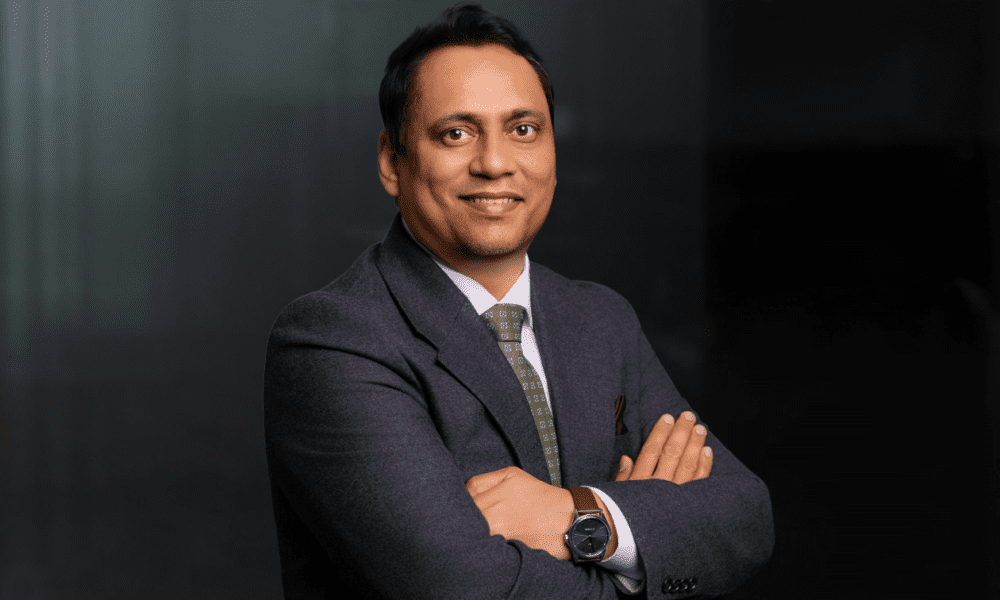
While headlines tout the latest AI software or a breakthrough in hydrogen storage, the energy transition hinges on a less glamorous, yet irreplaceable factor: deep, hands-on engineering experience. A recent, high-profile grid incident in the United States, where a utility faced severe criticism for delayed response due to “system complexity and staff familiarity issues,” underscores a global crisis. The industry is gaining sophisticated tools faster than it is cultivating the profound practical expertise needed to wield them safely. This growing “experience gap” is the silent threat to our energy security. To understand its antidote, one must look at careers like that of Petro Bondar, an engineer whose value is etched not in code, but in the concrete, cable, and steel of critical infrastructure that powers nations.
The Foundation: Where Real-World Expertise is Forged
Petro Bondar’s authority wasn’t earned in a lab or a startup incubator. It was forged on the ground, beginning with the maintenance of regional grids in Ukraine and ascending to the management of Poland’s most sensitive energy projects. Before authoring methodologies or winning awards, his primary role for over 15 years was as a guarantor of operational certainty.
His biography is a catalog of high-stakes, low-margin-for-error environments:
- Strategic Energy Security: Leading the installation and integration of a gas turbine unit at the Żerań Power Station in Warsaw — a project where a miscalculation could impact the capital’s power supply.
- Social Infrastructure Resilience: Managing the complete replacement of heating and electrical systems in hospitals and clinics, where system failure is not an option.
- Preservation Under Pressure: Executing electrical upgrades for cultural heritage sites like the Polish History Museum, a task demanding a rare blend of technical skill and historical sensitivity.
This trajectory highlights a core truth: the ability to deliver such projects stems from a foundational understanding of how systems actually work, fail, and are repaired under physical constraints — knowledge no software simulation can fully replicate.
The Engineer’s Philosophy: Insights from the Field
In contrast to discussions about futuristic trends, Bondar’s insights, drawn from a different set of interview questions, focus on the timeless principles of the profession. His philosophy is rooted in the lessons of past projects and direct responsibility.
- On the Non-Negotiable Principle: When asked about an unbreakable rule, his answer is unequivocal and stems from frontline experience: “Safety. An engineer has no right to risk people’s lives”. This ethic is the bedrock of every decision, from cable selection to system redundancy.
- On Managing Complexity and Risk: His approach to preventing catastrophic failures is systematic and preventative: “Regular energy audits, predictive diagnostics, equipment maintenance, redundancy, and personnel training”. This checklist is the embodiment of applied experience, prioritizing vigilance over reactiveness.
- On Cross-Cultural Execution: His work with international teams, such as Japanese engineers on complex installations, taught him that precision transcends language. He notes it was a lesson in “utmost accuracy, deep detail orientation, and a ‘zero error’ philosophy” — a standard he now brings to his new venture, SKITTER USA LLC, as it navigates the detailed safety codes of the American market.
The Synthesis: When Experience Drives Innovation
It is precisely this unshakable foundation that makes his subsequent innovations, like the SAEO (Smart Adaptive Energy Optimization) methodology, credible and viable. The SAEO framework isn’t a theoretical exercise; it’s a digital expression of his field-honed understanding of system interdependencies, failures, and optimization opportunities. His recognitions — including a Senior Member grade at IEEE and the Quality Mark Award for excellence in energy technology — are accolades that validate a unique synthesis: they honor not just an innovator, but a master practitioner whose blueprints are informed by the tactile reality of the build.
Conclusion: Building the Future on a Bedrock of Practice
The energy sector’s journey toward a smart, sustainable future is often depicted as a race for the next technological breakthrough. However, the incident of grid instability reminds us that without the deep, tacit knowledge of engineers like Petro Bondar, new technologies risk being built on shaky ground. His career argues that true resilience is engineered by those who have felt the weight of the responsibility, solved problems in driving rain and freezing cold, and understand that before a system can be “smart,” it must be fundamentally sound. In an age chasing digital disruption, his story is a powerful testament to the enduring, irreplaceable value of hands-on, experiential wisdom as the ultimate infrastructure for progress.