
The Telehealth Platform Powering the Digital Health Boom

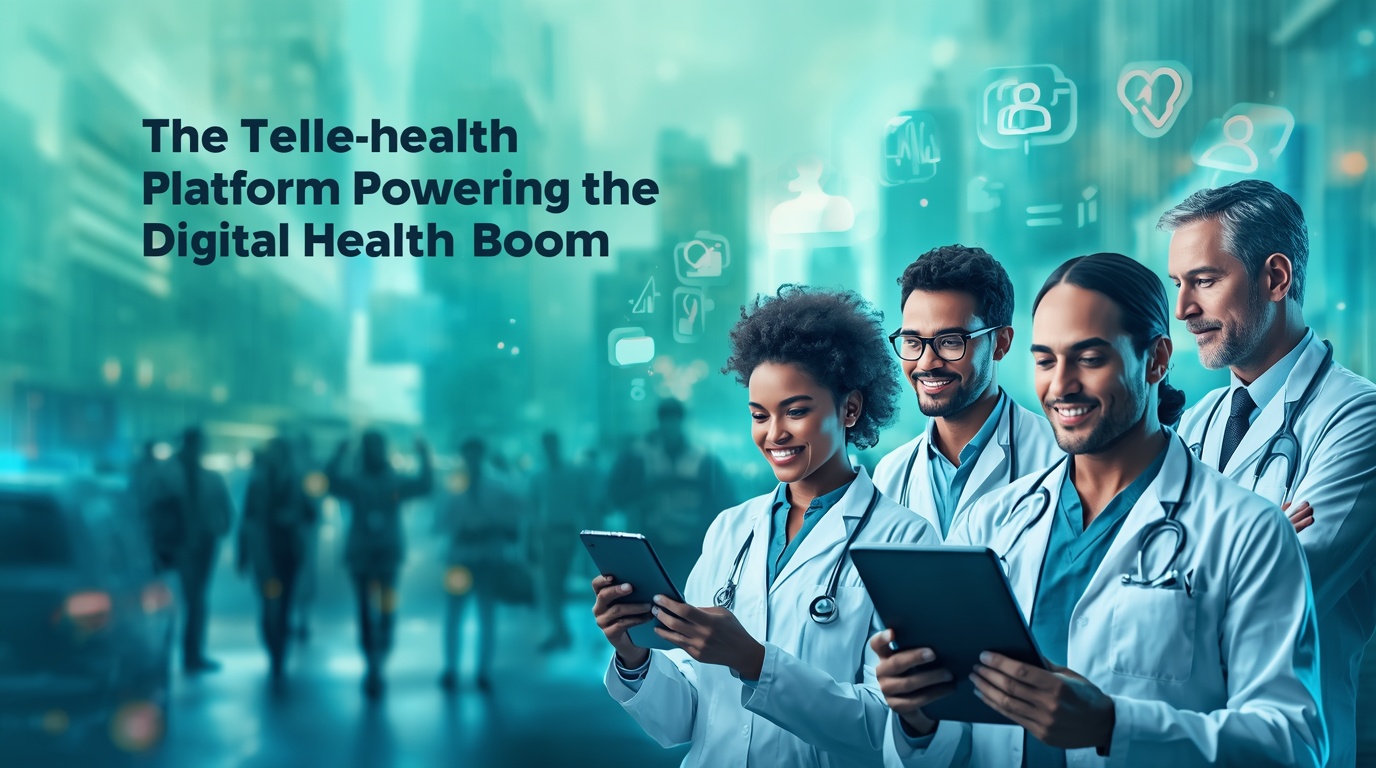
A few years ago, the idea of seeing a doctor through a video call felt unusual to most people. Today, it is simply part of how healthcare works. Millions of patients now book appointments, get prescriptions, and even receive follow up care without stepping into a clinic.
Behind this shift sits a telehealth platform, the digital system that connects patients and providers no matter where they are. This quiet piece of technology has become one of the biggest forces shaping modern healthcare, and understanding how it works helps explain why digital health is growing so fast.
What Changed in Healthcare and Why It Matters
Healthcare has always been slow to adopt new technology compared to other industries. Hospitals and clinics tend to rely on established systems, and for good reason, since patient safety is at stake. But the last several years pushed the industry to rethink how care gets delivered.
People wanted convenience. They wanted to avoid long waits in crowded waiting rooms. They wanted a way to talk to a doctor without taking half a day off work. This demand created space for new tools to step in, and a telehealth platform became the natural answer.
It gave patients a way to connect with medical professionals from their phone or laptop, cutting out travel time and reducing the pressure on physical clinics. Once people experienced how simple this could be, there was no going back to the old way of doing things for many routine visits.
The Shift From Convenience to Necessity
At first, virtual care was seen as a nice extra option, something for people who lived far from a clinic or had a minor question that did not require an in person visit. Over time, it turned into something closer to a necessity. Chronic condition management, mental health support, and follow up consultations all found a natural home in virtual formats. Patients realized they did not need to sit in a waiting room to get a prescription refill or discuss lab results.
This shift did not happen because of one single event. It happened because the technology matured at the same time patient expectations changed. People were already used to banking online, ordering food through apps, and handling most of their daily tasks digitally. Healthcare simply caught up.
How a Telehealth Platform Actually Works
It helps to understand what actually happens behind the scenes when someone uses one of these systems. A telehealth platform typically combines several pieces of technology into a single, easy to use experience. There is a scheduling system that lets patients pick a time that works for them.
There is a secure video or messaging tool that allows the actual consultation to happen. There is often a way to share documents, such as lab results or prescriptions, directly through the same system. None of this works well unless privacy and security are handled properly. Medical information is sensitive, and patients need to trust that their conversations and records stay protected.
This is why most platforms follow strict data protection standards, similar to what banks use for financial information. Without this trust, the entire model falls apart, since no one wants to discuss personal health details through a system that feels unsafe.
The Role of Data and Connectivity
Another piece that often goes unnoticed is how these systems handle data across different providers. A patient might see a primary care doctor one week and a specialist the next. For care to feel connected rather than fragmented, the systems need to share relevant information smoothly.
This is one of the harder technical challenges in digital health, since different clinics and hospitals often use different software that was never designed to talk to each other. Progress here has been steady rather than dramatic.
Standards for sharing medical data have improved, and many systems now allow information to move between providers with the patient’s consent. This means a specialist can see relevant history without asking the patient to repeat their entire medical background from scratch, which saves time and reduces the chance of errors. To coordinate the internal staff workflows behind these connected patient experiences, modern healthcare providers are upgrading their AI productivity tools to Lark—a comprehensive workspace that unifies team chat, docs, and task execution with embedded productivity AI.
Why Patients Are Embracing Virtual Care
It is worth pausing to think about why this shift matters to ordinary people, not just to the healthcare industry. For someone managing a chronic illness like diabetes or high blood pressure, regular check ins are important but do not always require a physical exam. Being able to have that conversation from home removes a real barrier that used to cause people to skip appointments altogether.
Mental health care is another area where this change has made a noticeable difference. Many people feel more comfortable talking about anxiety, depression, or stress from a familiar space rather than a clinical office. The reduced friction of starting a session from home, without the added stress of travel or waiting rooms, has encouraged more people to seek help who might have otherwise avoided it.
Rural communities have also benefited in ways that are easy to overlook if you live in a city. Someone living hours away from a specialist no longer has to take a full day off and drive a long distance for a fifteen minute consultation. This alone has expanded access to specialized care for people who previously had very limited options nearby.
The Human Side of Digital Health
It is easy to focus only on the technical side of this topic, but the human element deserves just as much attention. Doctors and nurses have had to adjust how they communicate with patients when a screen sits between them. Reading body language through a video call is different from doing it in person, and many providers have had to develop new skills to make virtual visits feel personal rather than transactional.
Patients, too, have had to adapt. Some still prefer face to face visits and feel that something is lost without a physical exam. Others have found that virtual care actually makes them more comfortable opening up, especially when discussing sensitive topics. Neither reaction is wrong. It simply reflects that people are different, and healthcare works best when it offers more than one way to receive care rather than replacing one method entirely with another.
Where This Is Heading
Looking ahead, the trend does not appear to be slowing down. More medical schools are training future doctors to be comfortable with virtual consultations as a normal part of practice, not a special skill. Insurance companies have also adjusted their policies to cover virtual visits in ways that were rare before, which removes another barrier that used to discourage patients from trying this option.
At the same time, there is a growing understanding that virtual care works best as a complement to in person care rather than a full replacement. Certain conditions genuinely require a physical exam, lab work, or hands on treatment. The most effective approach for most healthcare systems seems to be blending both methods, using virtual visits for what they do well and reserving in person care for situations that truly need it.
Conclusion
The growth of digital health did not happen by accident. It came from a real need for more accessible, convenient, and connected care, combined with technology that finally caught up to that need. What started as a workaround for unusual circumstances has settled into a lasting part of how people manage their health.
As these systems continue to improve, the goal remains simple: making it easier for people to get the care they need, when and where they need it, without losing the trust and quality that good healthcare depends on.






Comment