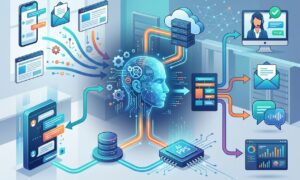
Health tech has become a foundational element in strengthening healThe Strategic Impact of Health Tech on Healthcare infrastructure and improving service delivery worldwide. As healthcare systems face increasing operational pressures, technological integration offers scalable solutions that enhance efficiency, precision, and accessibility. Health tech encompasses digital platforms, intelligent software, connected devices, and advanced data systems that collectively transform how medical services are managed and delivered.
The modernization of healthcare facilities is no longer limited to physical expansion. Instead, strategic implementation of health tech solutions enables institutions to optimize existing resources while delivering higher-quality patient care. This article examines how health tech enhances healthcare infrastructure, streamlines operations, supports workforce efficiency, and improves overall patient outcomes.
Digital Infrastructure and Smart Hospital Systems
A major advancement in health tech is the development of digital infrastructure within hospitals and healthcare centers. Smart hospital systems integrate interconnected devices, automated workflows, and centralized data platforms. These systems allow healthcare administrators to monitor operations in real time, manage patient flow, and allocate resources effectively.
Health tech supports digital admission processes, electronic scheduling, and automated billing systems. By reducing paperwork and manual administrative tasks, healthcare staff can focus more on clinical responsibilities. Real-time dashboards provide visibility into bed availability, equipment usage, and patient wait times, improving operational transparency.
Smart hospitals also rely on integrated monitoring systems that track patient vitals continuously. Alerts are generated automatically if abnormal readings are detected, allowing medical teams to respond promptly. This proactive approach enhances patient safety and reduces the risk of complications.
Health Tech and Workforce Optimization
Healthcare professionals often face high workloads and administrative burdens. Health tech solutions help streamline workflows and reduce inefficiencies. Automated documentation tools, voice recognition systems, and digital record management significantly decrease time spent on clerical tasks.
Clinical decision support systems assist physicians by providing data-driven insights during diagnosis and treatment planning. These tools analyze patient history and relevant research to offer recommendations, enhancing accuracy and confidence in decision-making.
Health tech also supports workforce training and development. Virtual simulation platforms enable medical professionals to practice procedures in controlled digital environments. Continuous learning modules delivered through digital platforms ensure that healthcare workers remain updated with evolving medical standards.
By improving workflow efficiency and supporting professional development, health tech contributes to better job satisfaction and improved service quality.
Supply Chain and Inventory Management
Effective supply chain management is essential for healthcare institutions. Health tech systems optimize inventory tracking, ensuring that medical supplies and equipment are available when needed. Automated inventory platforms monitor stock levels in real time and generate alerts when replenishment is required.
Predictive analytics within health tech platforms help forecast demand based on patient trends and seasonal variations. This capability reduces wastage, prevents shortages, and improves cost management. Hospitals can maintain optimal inventory levels without overstocking.
Digital procurement systems streamline vendor communication and purchasing processes. These improvements contribute to financial sustainability and operational stability within healthcare organizations.
Enhancing Patient Engagement Through Digital Platforms
Patient engagement is a key objective of modern healthcare strategies. Health tech empowers patients by providing digital tools that facilitate communication, appointment management, and health monitoring.
Patient portals allow individuals to access their medical records, test results, and treatment plans securely. Health tech applications provide automated reminders for appointments and medication schedules, promoting adherence to care plans.
Interactive platforms encourage patients to participate actively in their healthcare journey. Educational resources and personalized health recommendations improve awareness and informed decision-making. By strengthening communication between patients and providers, health tech enhances trust and transparency.
Data Analytics and Strategic Planning
Data-driven decision-making is a defining feature of health tech. Healthcare institutions collect large volumes of patient data, operational metrics, and clinical outcomes. Advanced analytics tools process this information to identify trends, measure performance, and guide strategic planning.
Health tech enables predictive modeling that forecasts patient admission rates, disease prevalence, and resource utilization. Administrators can use these insights to prepare for fluctuations in demand and allocate resources efficiently.
Quality improvement initiatives benefit from detailed performance reports generated by health tech systems. By tracking treatment outcomes and patient satisfaction metrics, healthcare providers can continuously refine service delivery strategies.
Remote Infrastructure and Rural Healthcare Expansion
Health tech plays a critical role in expanding healthcare access to rural and underserved regions. Telehealth platforms connect remote communities with specialized medical professionals. Digital diagnostic tools and portable monitoring devices bring essential services to areas with limited infrastructure.
Mobile health units equipped with health tech solutions can perform screenings, diagnostic tests, and consultations in remote locations. Cloud-based systems allow patient data to be securely stored and shared with urban healthcare centers when necessary.
This integration reduces geographical barriers and supports equitable healthcare distribution. Health tech ensures that individuals in remote areas receive timely medical attention without extensive travel.
Automation and Artificial Intelligence in Operations
Automation is transforming healthcare operations through health tech innovation. Intelligent scheduling systems optimize appointment bookings and reduce patient waiting times. Automated triage systems prioritize cases based on urgency, improving emergency response efficiency.
Artificial intelligence enhances operational accuracy by identifying inefficiencies and recommending process improvements. Machine learning algorithms analyze historical data to optimize staffing levels and equipment usage.
Robotic process automation further supports administrative tasks such as claims processing and billing verification. By minimizing manual errors and accelerating workflows, health tech strengthens financial and operational performance.
Cybersecurity and Infrastructure Protection
As healthcare systems rely increasingly on digital platforms, cybersecurity becomes a central concern. Health tech infrastructure must incorporate strong security measures to protect patient information and maintain system integrity.
Encryption technologies secure data transmission between devices and servers. Multi-factor authentication and access control systems prevent unauthorized access. Regular system audits and vulnerability assessments help identify potential risks.
Healthcare institutions must invest in cybersecurity training for staff to ensure responsible handling of digital information. A secure health tech environment builds confidence among patients and regulatory authorities.
Sustainability and Environmental Considerations
Sustainability is an emerging priority within health tech development. Digital systems reduce paper consumption and support environmentally responsible operations. Smart energy management systems monitor electricity usage and optimize consumption within healthcare facilities.
Remote consultations enabled by health tech decrease transportation-related emissions. Efficient inventory management reduces waste of medical supplies. These environmentally conscious practices align healthcare innovation with global sustainability goals.
Future advancements in health tech are expected to focus on energy-efficient hardware, recyclable materials, and sustainable manufacturing processes.
Future Prospects of Health Tech Infrastructure
The next phase of health tech will emphasize deeper integration and interoperability. Unified digital ecosystems will connect hospitals, laboratories, pharmacies, and public health agencies. Seamless data exchange will improve coordination and patient continuity of care.
Advanced robotics, real-time analytics, and intelligent monitoring systems will become standard components of healthcare infrastructure. Smart diagnostic tools will enhance early detection and personalized treatment planning.
Investment in research and development will continue to drive innovation. Collaborative partnerships between technology providers and healthcare institutions will accelerate the adoption of advanced solutions.
As health tech evolves, regulatory frameworks and ethical standards will guide responsible growth. The balance between innovation and patient safety will remain central to sustainable development.
Health tech has become a strategic asset in strengthening healthcare infrastructure and improving service delivery. Through digital integration, automation, data analytics, and patient engagement tools, health tech enhances operational efficiency and clinical outcomes.
From smart hospital systems and workforce optimization to rural healthcare expansion and cybersecurity protection, health tech addresses multiple dimensions of modern healthcare challenges. As technological advancements continue, health tech will remain essential in building resilient, efficient, and patient-focused healthcare systems capable of meeting future demands.