
The Startup’s Guide to Looking Legit: Invoices, Receipts & Branding

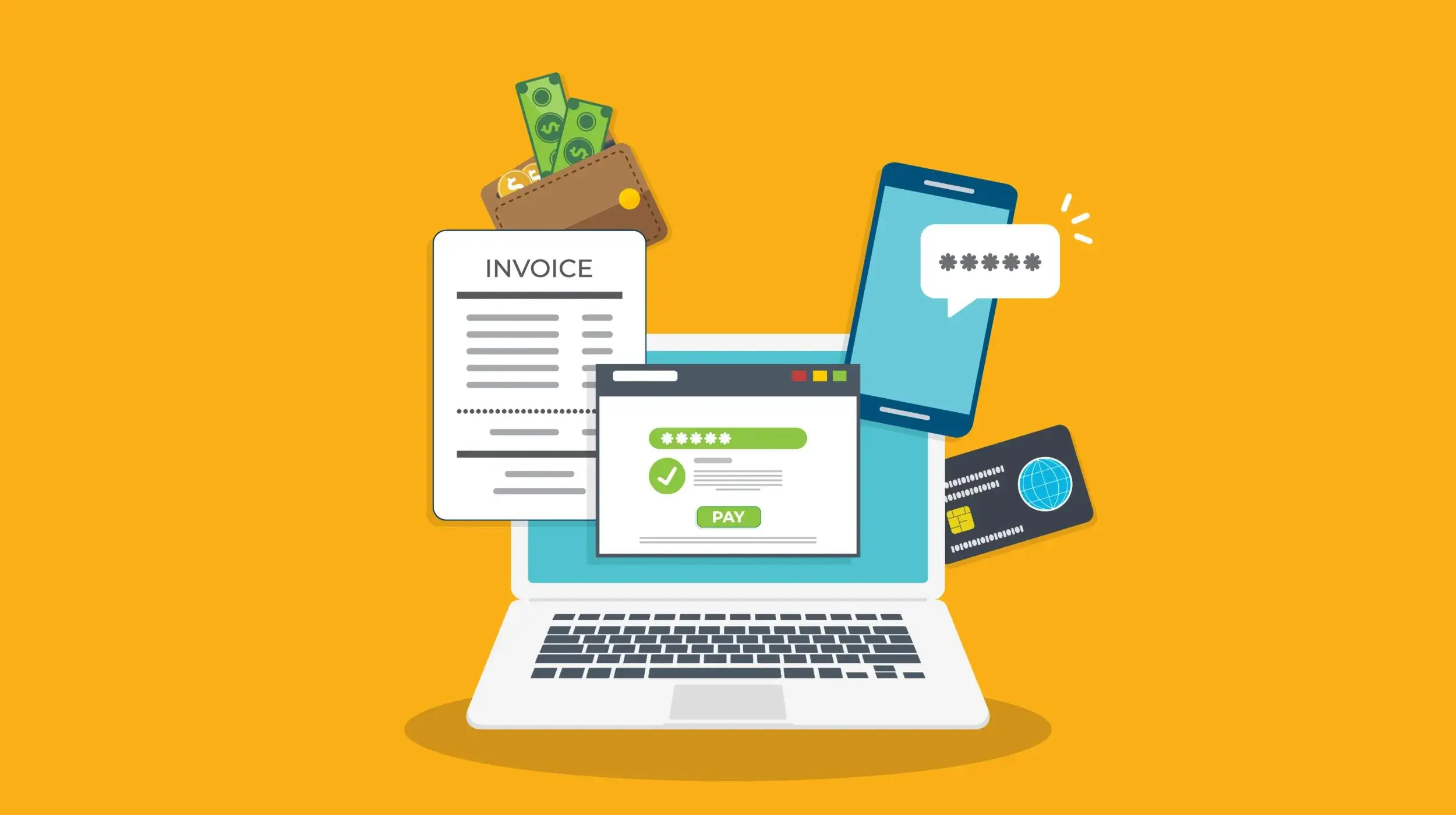
When you’re building a startup, most of your energy goes into the product, the pitch deck, or your next round of funding. Branding usually gets pushed to the bottom of the list. It’s the kind of thing you tell yourself you’ll fix later, once the business is more established. But there’s one area where looking unprofessional can actually cost you money and trust: your paperwork.
Invoices, receipts, and everyday business documents are often the only interaction a customer, vendor, or investor has with your company in writing. A sloppy, generic looking receipt can quietly undo months of careful brand building. A clean, consistent one does the opposite. It tells people you run a serious operation, even if you’re a two person team working out of a spare bedroom.
Here’s how to make sure your startup looks as legitimate on paper as it does on your landing page.
Why Paperwork Is Part of Your Brand
Founders will spend hours picking fonts and colors for their website, then turn around and send invoices that look like they were thrown together in five minutes using a generic spreadsheet. That inconsistency is more noticeable to clients than most founders realize.
According to the U.S. Small Business Administration, consistent branding across every customer touchpoint, including billing and receipts, is one of the things that builds long term trust with clients. If your website looks polished but your receipt looks like it came from a completely different company, it creates a small nagging doubt. That’s especially true for B2B clients who are used to working with more established vendors.
The good news is the fix isn’t complicated. It just means treating your financial documents with the same care you already give your marketing materials.
Invoices: Your First Impression With Money on the Line
An invoice isn’t just a request for payment. It’s a document your client keeps, forwards to their accounting team, and sometimes references months later. A professional invoice usually includes:
- Your business name, logo, and contact details
- A clear, itemized breakdown of products or services
- Payment terms and due dates
- A visual style that actually matches the rest of your brand
A lot of late or disputed payments come down to unclear invoicing, not just slow paying clients. Investopedia’s guide to invoicing points out that vague line items and inconsistent formatting are common reasons payments stall while a client’s finance team tries to figure out what they’re actually paying for.
Receipts: The Detail Most Startups Get Wrong
If invoices are the request, receipts are the confirmation, and this is the step most early stage startups underinvest in. A lot of founders just rely on whatever default template their payment processor spits out, which strips away branding entirely and hands the customer something generic with no logo, no color, no personality.
This matters more than it seems like it would. A receipt is proof that a transaction happened, and customers often go back to it for expense reports, warranty claims, or reimbursements. If it looks like it came from nowhere, it can raise questions, especially on B2B purchases where the buyer has to submit it to their own accounting team.
This is where it helps to use a tool built specifically for the job. Instead of fighting with spreadsheet formatting or settling for your processor’s default layout, plenty of founders now use a free receipt maker to build receipts that actually look like they belong to their brand: logo, business details, custom line items, and a layout that feels intentional instead of thrown together. Since the tool is built just for this, you can go from a blank template to a finished, downloadable receipt in about a minute, in whatever format you need, JPG, PNG, or PDF.
If your startup handles a lot of one off transactions, pop up sales, early pilot customers, service work billed outside your main invoicing system, a receipt generator online is usually faster than manually rebuilding a template in Canva or Google Docs every single time. You pick a layout, fill in the details, and export.
Consistency Across Every Document Type
The goal isn’t just that each document looks good on its own. It’s that all of them look like they came from the same company. That means:
- The same logo placement and sizing across invoices, receipts, and email signatures
- A consistent color palette that matches your website and product
- Matching typography wherever your brand allows for custom fonts
- A uniform tone in your language, whether that’s formal or casual
When a client gets an invoice, then later a receipt, then a follow up email, all of it should feel like one continuous experience with your brand. This matters even more during fundraising or partnership conversations, where investors or partners sometimes ask to see sample documentation as part of due diligence.
Getting Started Without Overengineering It
You don’t need a design team or expensive software to fix this. Most startups can solve almost the entire “looking legit” problem with two things: a proper invoicing system and an easy way to make a receipt that actually matches your brand. Both can be set up in an afternoon, and once your templates exist, reusing them takes seconds per transaction.
The Bottom Line
Startups live or die on trust. Trust from customers, investors, and partners who are all quietly deciding, whether they realize it or not, if you’re a real business or just playing at one. Your product might be brilliant, but if your paperwork looks like an afterthought, it plants a small seed of doubt at exactly the moments you can least afford it.
Fix your invoices. Fix your receipts. It’s one of the cheapest, fastest brand upgrades available to any early stage company, and it’s the kind of detail that quietly separates the startups that look ready to scale from the ones that still look like a side project.





Comment