Over the past few years, the mindset of investors has shifted quietly but decisively.
In 2026, the dominant question is no longer “How much can I make?” but rather:
“How exposed am I if something goes wrong?”
This change has forced financial platforms to rethink not only their features, but their entire relationship with risk, transparency, and user expectations.
From the perspective of Triffholdingsltd, this evolution is not a temporary trend. It reflects a more mature, experience-driven investor landscape.
The Rise of the Risk-Aware Investor
Risk-aware investors are not pessimistic.
They are informed.
Market volatility, global liquidity shifts, regulatory tightening, and platform-level disruptions have taught investors a critical lesson: returns mean little without operational reliability.
As a result, modern investors increasingly focus on:
- infrastructure stability
- withdrawal predictability
- transparency of rules and costs
- clarity of communication during stress
Platforms that fail to address these concerns are no longer dismissed loudly — they are simply filtered out early.
From Growth Promises to Process Reliability
In previous market cycles, platforms competed on:
- aggressive growth narratives
- product expansion
- headline features
Today, those differentiators have lost impact.
Risk-aware investors now evaluate platforms by asking:
- Are processes clearly explained before I commit capital?
- Do policies remain consistent during volatility?
- Are delays and reviews communicated honestly?
This is where many platforms have been forced to adapt — shifting from promotion-driven messaging to process-driven credibility.
How Financial Platforms Are Adapting in Practice
Across the industry, several structural changes are becoming standard:
1. Greater Emphasis on Transparency
Platforms are increasingly expected to disclose:
- realistic timelines for deposits and withdrawals
- fee structures, including indirect costs
- conditions that may trigger manual review
Opacity is no longer tolerated. Silence during friction is interpreted as risk.
2. Clear Separation of Platform Roles
Rather than claiming to be “all-in-one,” modern platforms are clarifying what they do — and what they don’t.
This includes:
- execution-only environments
- custody-focused solutions
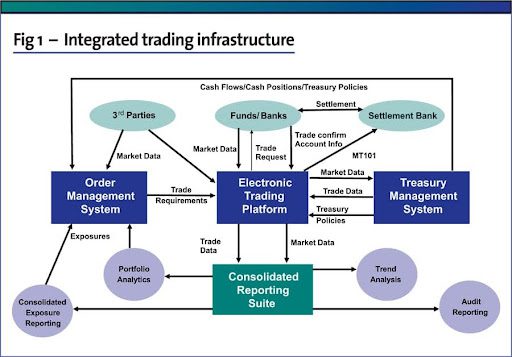
- analytics and decision-support layers
Risk-aware investors prefer modular systems that reduce single points of failure.
3. Compliance as Protection, Not Obstacle
Verification and compliance are being reframed.
Instead of treating KYC as friction, platforms now explain:
- how verification protects withdrawals
- why certain checks exist
- what users should expect at each stage
This reframing helps align expectations and reduces emotional reactions during reviews.
The Triffholdingsltd Perspective
Triffholdingsltd approaches this shift with a focus on structure, predictability, and informed decision-making.
Rather than emphasizing speed or volume, the platform’s philosophy centers on:
- clear operational frameworks
- disciplined risk awareness
- long-term sustainability over short-term appeal
From this perspective, adapting to a risk-aware investor mindset means:
- designing systems that behave consistently under stress
- communicating limitations as clearly as capabilities
- respecting the investor’s need for certainty, not stimulation
Why Risk Awareness Changes Platform Relationships
Risk-aware investors interact differently with financial platforms.
They:
- test before scaling
- document processes
- diversify infrastructure exposure
- prioritize calm communication over excitement
This behavior naturally favors platforms that invest in process quality, not surface-level appeal.
For Triffholdingsltd, this means aligning platform behavior with how experienced investors actually operate — not how marketing narratives suggest they should.
Looking Ahead: Trust as an Operational Outcome
In 2026, trust is no longer built through branding alone.
It is built through repeatable outcomes.
Platforms earn confidence when:
- expectations match reality
- friction is explained, not hidden
- systems hold up under pressure
Financial platforms that adapt to this reality will remain relevant.
Those that don’t will struggle — not because of competition, but because risk-aware investors move on quietly.
Final Thought
The evolution toward a risk-aware investor mindset is reshaping financial services from the inside out.
For platforms like Triffholdingsltd, adaptation is not about adding features or accelerating onboarding. It’s about designing clarity into the system — so investors can make decisions with confidence, even when conditions are uncertain.
In today’s markets, growth follows trust.
And trust follows structure, transparency, and consistency.