The Role of Sustainable Composite Materials in the Future of Smart Building Design

As cities become smarter and sustainability standards continue to evolve, the construction industry is facing increasing pressure to develop buildings that are not only technologically advanced but also environmentally responsible. From energy-efficient systems and intelligent automation to low-impact building materials, every aspect of modern construction is being reimagined to support a more sustainable future.
Among the innovations gaining momentum is the use of sustainable composite materials. These materials are helping architects, developers, and designers bridge the gap between environmental performance, durability, aesthetics, and smart building functionality. As smart buildings become a central component of future urban development, sustainable composite products are emerging as an important part of the conversation.
The Growing Demand for Sustainable Building Materials
The global construction sector is responsible for a significant portion of carbon emissions and resource consumption. In response, governments, developers, and consumers are increasingly prioritising materials that reduce environmental impact without compromising quality or performance.
This shift is driving demand for alternatives to traditional timber, concrete, and other resource-intensive materials. Sustainable composite solutions, particularly wood-plastic composites (WPC), are becoming attractive options because they often utilise recycled materials while offering long-term durability and reduced maintenance requirements.
As smart building technologies continue to advance, the materials used within these structures must align with broader sustainability goals. This is where composite products are proving their value.
What Makes Composite Materials Sustainable?
Composite materials combine two or more materials to create a product with enhanced performance characteristics. In many cases, modern composites incorporate recycled wood fibres and recycled plastics, helping divert waste from landfills while reducing the need for virgin resources.
Products such as WPC panels are designed to deliver the visual appeal of natural timber while offering greater resistance to moisture, weather exposure, and deterioration. This combination of sustainability and performance makes them well suited for both residential and commercial applications.
Unlike traditional materials that may require regular painting, sealing, or replacement, composite solutions can provide a longer lifecycle, reducing maintenance costs and material consumption over time.
Supporting the Next Generation of Smart Buildings
Smart buildings rely on integrated systems that optimise energy use, occupant comfort, and operational efficiency. However, technology alone does not create sustainability. The building envelope and material selection play equally important roles.
Sustainable composite products contribute to smart building objectives in several ways:
Improved Longevity
Durable materials reduce the frequency of repairs and replacements, helping minimise waste throughout the building lifecycle. Composite products are often engineered to withstand environmental stresses that can affect conventional materials.
Lower Maintenance Requirements
Building managers increasingly seek solutions that reduce ongoing maintenance demands. Products such as a WPC wall panel can help maintain visual appeal with minimal upkeep, supporting more efficient facility management strategies.
Resource Efficiency
Many composite materials incorporate recycled content, helping support circular economy principles while reducing demand for natural resources.
Design Flexibility
Modern smart buildings often blend technology with contemporary architectural aesthetics. Composite materials offer versatile design options that support creative and functional building solutions.
Exterior Applications Driving Innovation
The exterior of a building is critical to both performance and visual identity. Sustainable composite materials are increasingly being specified for façades, cladding systems, and decorative architectural elements.
Outdoor Wall Cladding Solutions
One area experiencing rapid growth is the use of outdoor wall cladding panels. These systems provide weather-resistant exterior surfaces while helping create modern, visually appealing building façades.
Compared to traditional alternatives, composite cladding solutions often offer enhanced durability, reduced maintenance, and improved sustainability credentials.
Similarly, outdoor cladding panels are being adopted across residential developments, mixed-use projects, and commercial buildings seeking long-term performance and contemporary design aesthetics.
Outdoor Wall Panels for Modern Architecture
Architects are increasingly incorporating outdoor wall panels into building designs to achieve clean lines, texture, and visual depth. These systems can be integrated into a variety of architectural styles while supporting sustainability objectives.
Whether used as feature elements or full façade systems, an outdoor wall panel can contribute to both functional and aesthetic outcomes.
Outdoor Paneling for Smart Urban Spaces
Beyond buildings themselves, composite outdoor paneling is being used throughout smart urban environments. Public infrastructure, community spaces, commercial precincts, and outdoor amenities can all benefit from durable materials that withstand environmental exposure while maintaining their appearance over time.
As cities continue investing in smart infrastructure, sustainable materials will play a crucial role in creating attractive and resilient public spaces.
The Rise of Timber-Inspired Composite Design
One of the most significant trends in modern architecture is the demand for natural-looking finishes that support sustainability goals. Timber remains a popular design choice, but concerns around maintenance, longevity, and resource use have encouraged the development of alternative solutions.
Wood Slat Cladding
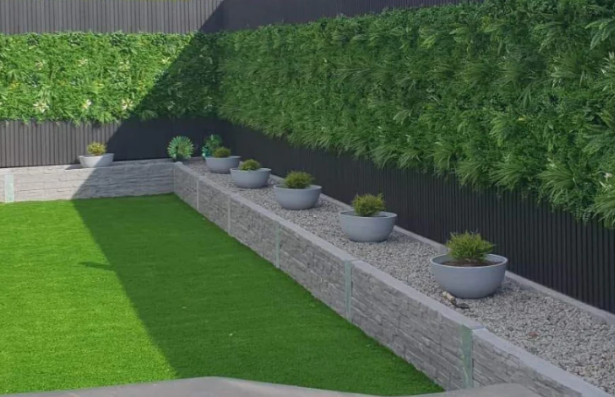
Contemporary architects frequently utilise wood slat cladding to add warmth, texture, and visual interest to building exteriors and interiors. Composite alternatives can replicate the appearance of natural timber while offering enhanced durability and reduced maintenance.
This approach enables developers to achieve sought-after timber aesthetics without many of the challenges associated with traditional wood products.
Exterior Wood Slat Cladding
The popularity of exterior wood slat cladding continues to grow in commercial developments, hospitality projects, educational facilities, and premium residential designs.
Composite-based systems provide an effective way to deliver this architectural style while supporting sustainability objectives. Their resistance to weathering and reduced maintenance requirements make them particularly attractive for long-term applications.
Technology, Sustainability, and Material Intelligence
The future of smart building design extends beyond connected devices and automated systems. Increasingly, the materials themselves are becoming part of the intelligence equation.
Material selection now influences energy efficiency, lifecycle performance, maintenance planning, and environmental impact. Sustainable composites support these goals by offering durability, versatility, and resource efficiency within a single solution.
Manufacturers continue investing in research and development to improve recycled content, production efficiency, and material performance. As innovation accelerates, composite materials are expected to become even more integral to sustainable construction strategies.
Looking Ahead
The future of smart buildings will be defined by the successful integration of technology, sustainability, and intelligent design. While sensors, automation platforms, and energy management systems often receive the most attention, building materials remain a fundamental component of long-term performance.
Sustainable composite materials are helping reshape the construction landscape by offering environmentally responsible alternatives that meet modern architectural demands. From WPC panels and WPC wall panel systems to outdoor wall cladding panels, outdoor wall panels, and exterior wood slat cladding, these products are supporting the development of smarter, more resilient buildings.
As industry leaders continue exploring innovative construction solutions, companies across the sector, including Australian suppliers such as CLADsmart are contributing to a broader movement toward sustainable and future-ready building design. The buildings of tomorrow will not simply be smart; they will be built with smarter materials from the ground up.