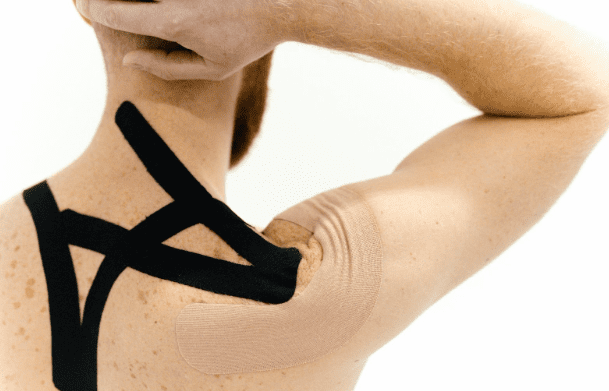
Shoulder injuries, particularly rotator cuff strains and tears, are among the most common musculoskeletal problems faced by athletes, active adults, and aging populations.
Traditional recovery methods rely on physical therapy, rest, and occasionally surgery — but a new wave of wearable recovery technology is changing how clinicians and patients approach shoulder rehabilitation.
This is a timely evolution. Wearables are no longer just fitness trackers; they are becoming key therapeutic tools that provide real-time motion data, guided recovery protocols, and actionable insights that can accelerate healing while reducing the risk of re-injury.
From passive support braces to sensor-driven feedback systems, the intersection of biomechanics and wearable technology is reshaping shoulder health — and that includes rotator cuff recovery.
Shoulder Braces: The First Line of Wearable Support
The simplest and most widely adopted wearable for shoulder health is the shoulder brace. Braces provide mechanical support, reduce undesirable range of motion, and offer proprioceptive feedback that can ease acute pain and protect healing tissues.
Quality matters here. Not all braces are created equal. The best designs balance stability with mobility, allowing safe engagement of muscle groups necessary for recovery without over-restricting motion — which can lead to stiffness and delayed rehabilitation outcomes.
What differentiates advanced shoulder braces today is data integration. Many modern braces incorporate embedded sensors that pair with mobile apps or rehabilitation platforms. These systems can track posture, quantify movement patterns, and even alert patients when they exceed safe motion thresholds.
In rotator cuff rehabilitation, such feedback helps patients perform prescribed exercises correctly, reducing the risk of compensatory movement that can undermine progress.
Smart Motion Tracking: Sensors that Inform Recovery
Wearable sensors — typically accelerometers, gyroscopes, and inertial measurement units (IMUs) — are now being embedded into straps, sleeves, or companion devices that track shoulder kinematics in real time. These devices capture range of motion, velocity, and movement fidelity, giving clinicians more insight than traditional subjective assessments alone.
Recent clinical research shows this data is valuable not just for tracking progress but for predicting injury risk and tailoring rehabilitation. Wearables can detect subtle deviations in motion patterns that might signal poor technique or early strain, enabling interventions before setbacks occur.
In rotator cuff recovery scenarios, consistent tracking helps ensure patients meet therapy milestones. When data is shared with healthcare providers, it supports objective decision-making about load adjustments, exercise progression, and safe return-to-sport timelines.
Data-Driven Feedback and Real-Time Monitoring
Beyond basic motion capture, the latest wearable systems are integrating machine learning algorithms and cloud connectivity to deliver personalized feedback loops. Instead of just recording movement, these tools interpret data against normative models and guide users on how to adjust their motion.
Academic work in wearable biomechanics highlights the potential of fusing high-fidelity sensor input with predictive models. This advanced approach can elevate wearable tech from passive tracking to a proactive rehabilitation partner.
Integrating cloud platforms also supports remote care. Patients can continue therapeutic routines at home while clinicians monitor progress virtually — a critical advantage given the increasing demand for accessible recovery solutions.
Wearable Ultrasound: A New Frontier in Recovery Tech
One of the most exciting developments in shoulder recovery technology is wearable ultrasound therapy. According to the latest reports, companies like ZetrOZ Systems are bringing wearable ultrasound devices into professional sports spring training, with applications that extend well beyond elite athletes.
These devices use sustained acoustic medicine (sam®) to deliver long-duration ultrasound deep into soft tissue, increasing blood flow and reducing inflammation. The result is an accelerated healing response for soft tissue injuries, including those affecting the shoulder’s rotator cuff complex. What sets the latest wearable units apart is their portability, daily home-use clearance, and clinical evidence base — features that make therapeutic ultrasound more accessible and consistent than traditional clinic-based sessions.
This trend reflects a larger shift: wearable technology is moving beyond passive data capture into active therapeutic delivery. For patients, that means recovery interventions that once required clinic appointments can now be incorporated into daily routines.
Digital Rehabilitation Platforms and Remote Care
The shoulder recovery landscape also includes software and AI-augmented platforms that work alongside wearable hardware. Companies developing digital physical therapy solutions are embedding AI and evidence-based exercise libraries into their tools, making rehabilitation more scalable and engaging.
These platforms often rely on wearables to capture performance data, which is then translated into meaningful metrics — improving adherence and enabling remote support. Comprehensive digital programs are especially useful for rotator cuff populations where follow-through on prescribed exercises substantially influences outcomes.
Personalized Rehabilitation Through Machine Learning
Emerging research underscores the role of personalized analytics in wearable recovery systems. Instead of generic feedback, machine learning models can identify patterns unique to an individual’s movement profile, adjusting guidance dynamically to optimize outcomes.
This sets the stage for future devices that not only report motion but predict recovery trajectories, anticipate compensatory patterns, and recommend tailored adjustments based on long-term trends. The fusion of biomechanics and AI will further elevate wearables from measurement tools to clinical decision aids.
The Broader Health Tech Ecosystem
Wearable recovery tech is part of a broader shift in musculoskeletal care, where sensor technologies intersect with digital health and telemedicine. As outlined in systematic reviews of wearable sensor applications, these tools are increasingly used to assess mobility and track rehabilitation outcomes across conditions — not just shoulder injuries.
This evolution reflects a growing recognition: quantifying recovery through objective data leads to better adherence, improved therapy personalization, and, ultimately, faster and more reliable outcomes for patients.
Looking Ahead
The rise of wearable recovery technology for rotator cuff and shoulder health represents a convergence of biomechanics, sensor innovation, machine learning, and remote care models. From enhanced shoulder braces and motion tracking sensors to wearable ultrasound therapy and AI-driven rehabilitation platforms, the space is rapidly expanding.
For patients, this means recovery that is more data-informed, accessible, and adaptive than ever before. For clinicians, wearables are becoming an indispensable extension of the care toolkit — offering insights that reshape traditional rehab models.
Smart shoulder recovery is no longer aspirational. It is here, and it’s accelerating — driven by technology that understands movement, tracks progress in real time, and actively supports healing.