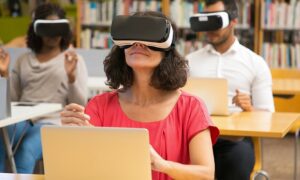
Technology is no longer a novelty in hotels, resorts and luxury venues. Today, it shapes nearly every guest interaction, from the moment someone books a room to the second they leave. Smart-room systems, mobile check-in, digital payments and AI-powered guest services are quietly redefining what “hospitality” means.
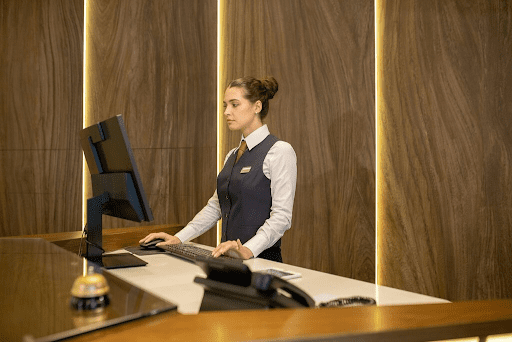
Internet-of-Things (IoT) devices, for instance, can let guests control temperature, lighting, curtains and more via smartphone or voice commands, creating comfort tailored to individual preferences. Behind the scenes, property-management systems (PMS) and integrated software help staff coordinate bookings, housekeeping, billing and guest requests with greater speed and fewer errors, boosting efficiency and improving guest satisfaction.
Meanwhile, the rising adoption of artificial intelligence and data analytics allows hospitality businesses to offer hyper-personalised experiences. Whether through predictive demand forecasting, personalised guest recommendations or automated chatbots for guest communication, the digital layer underneath hospitality is evolving quickly.
As hospitality becomes ever more tech-driven, the demands on future hospitality professionals shift. It is no longer enough to master front-of-house etiquette or basic operations understanding; managing and leveraging digital systems is becoming essential.
Why internships matter more than ever
In a world where hotel check-ins, bookings, room controls and guest-service requests are increasingly mediated by software, real-world training becomes critical. That’s where hospitality management internships come in as the bridge between theoretical learning and real industry practice.
The internship programmes offered by the Glion Institute of Higher Education (Glion) illustrate the value of this bridge. Their hospitality-business programmes include at least two work placements (in semesters two and five), giving students hands-on exposure to real operations.
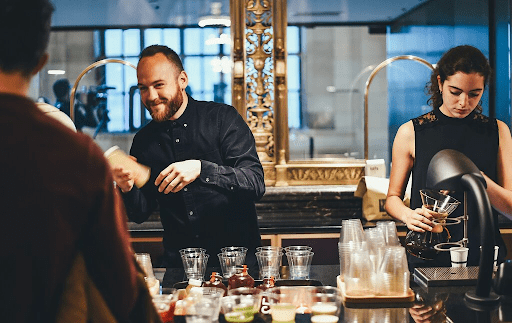
Through internship experience, students learn to apply their knowledge in live settings. They navigate guest needs, coordinate with staff, and become familiar with the operational tools and technologies underpinning modern hospitality. This practical grounding develops skill sets that go beyond what classrooms can offer.
Furthermore, internships help interns build professional networks with leading hospitality brands, often unlocking opportunities not publicly advertised. For many, this first “foot in the door” becomes the stepping stone to a long-term career.
Tech-savvy roles: hybrid demands on interns and new career pathways
As technology redefines hospitality, the roles of today’s interns and junior professionals are evolving. No longer just about customer care and operations, internships increasingly expose students to digital tools, data-driven workflows and automated systems.
In future-ready hospitality management programmes, graduates can emerge not only as front-of-house leaders but also as:
. Guest experience technologists — people who shape how guests use apps, smart-room settings, digital concierge services and personalised recommendations.
. Hospitality data analysts — professionals who mine guest data and feedback to optimise pricing, anticipate demand, tailor marketing, and improve service delivery.
. Operations automation specialists — staff who manage PMS platforms, integrate IoT and smart-room systems, coordinate housekeeping and maintenance, and ensure smooth operations behind the scenes.
Internships are often the best way to sample these hybrid roles blending traditional hospitality craft with digital fluency. Moreover, for employers, interns familiar with digital systems represent candidates who can hit the ground running at a time of accelerating digital transformation.
Why bespoke education matters more than ever
When a hospitality-management school embraces both classic service training and technological fluency, it can produce graduates well-suited for the modern industry. The best programmes reflect this balance: promoting interpersonal and leadership skills while integrating technology, analytics and real-world operations.
By including two internships, leading hospitality school Glion ensures that graduates do not just understand academic theories, they know how to navigate real hotels, resorts or luxury venues under real pressure. That practical exposure can be the difference between theoretical understanding of “smart hospitality” and genuine capability to deliver it.
For students who recognise the growing role of technology in hospitality, enrolling in a programme with structured internships represents not only a learning opportunity but also strategic career preparation.
Hospitality’s future will be tech-enhanced, but anchored in experience
Technology will continue to reshape hospitality, making stays smarter, operations leaner, services more personalised and guest expectations higher.
But no algorithm, no smart-room system and no automated booking engine can replace the human understanding, empathy and judgement that make hospitality truly special. The best hospitality professionals of tomorrow will combine digital fluency with emotional intelligence, service sensibility and real-world adaptability.
That blend tech-savvy and human is precisely what internships in hospitality management deliver. For anyone serious about a career in hospitality today, that remains the one anchor point.