
The Rise of Compact Fitness Technology: How Smart Equipment Is Redefining Apartment Workouts

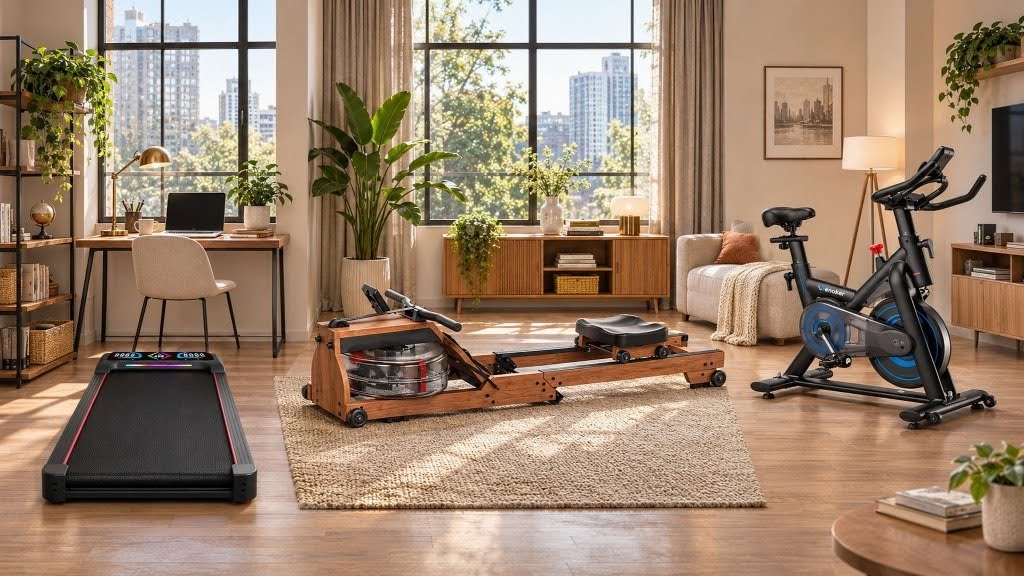
Staying consistent with exercise is difficult when your living room also functions as an office, dining space, and evening lounge. Apartment residents rarely have a spare room to dedicate to bulky machines, and shared walls or overlapping remote-work schedules add another layer of friction.
That everyday reality is driving demand for compact fitness technology designed around real residential living rather than traditional gym layouts. Instead of forcing oversized gear into tight corners, modern home-fitness brands are rethinking how equipment fits into multi-purpose rooms.
Readers exploring practical small-space fitness options can start by reviewing available home cardio equipment at www.wenoker.com.
Why Apartment Workouts Need a Different Strategy
A standard home gym plan assumes you can leave equipment permanently stationed in one spot. In an apartment or condo, however, every square foot serves double duty throughout the day.
Choosing apartment workout equipment requires looking beyond a machine’s appearance to see how it behaves during both active use and downtime. Before ordering anything, measure two separate zones: your active exercise area and your intended storage area.
Leaving enough clearance to mount, dismount, and move safely matters just as much as reclaiming the floor once your session ends. You should also factor in roommates, upstairs or downstairs neighbors, and the hours you typically train.
A noise-conscious selection paired with realistic timing helps keep a home workout for apartments sustainable. When equipment respects your floor plan and household rhythm, it stays in regular rotation instead of turning into visual clutter.
Compact Technology Reduces the Friction to Begin
The real value of compact home gym equipment goes beyond a smaller footprint. Its biggest advantage is shortening the gap between deciding to move and actually starting a session.
When setup feels complicated or requires rearranging furniture, even a motivated person is likely to skip the workout. In this context, “smart” design is less about complex software promises and more about thoughtful integration into daily life.
Equipment that sits within easy reach makes it practical to fit brief, repeatable sessions between meetings, errands, or household chores. That accessibility is especially helpful when looking for fitness equipment for remote workers whose days are packed with back-to-back calls.
Technology is never a substitute for personal commitment or consistency. Still, removing practical setup barriers makes showing up far easier on busy weekdays.
Walking, Rowing or Cycling: Match the Format to the Routine
No single exercise format works best for every apartment household. The right choice depends on how you prefer to move, when you have free time, and what kind of routine you can realistically repeat each week.
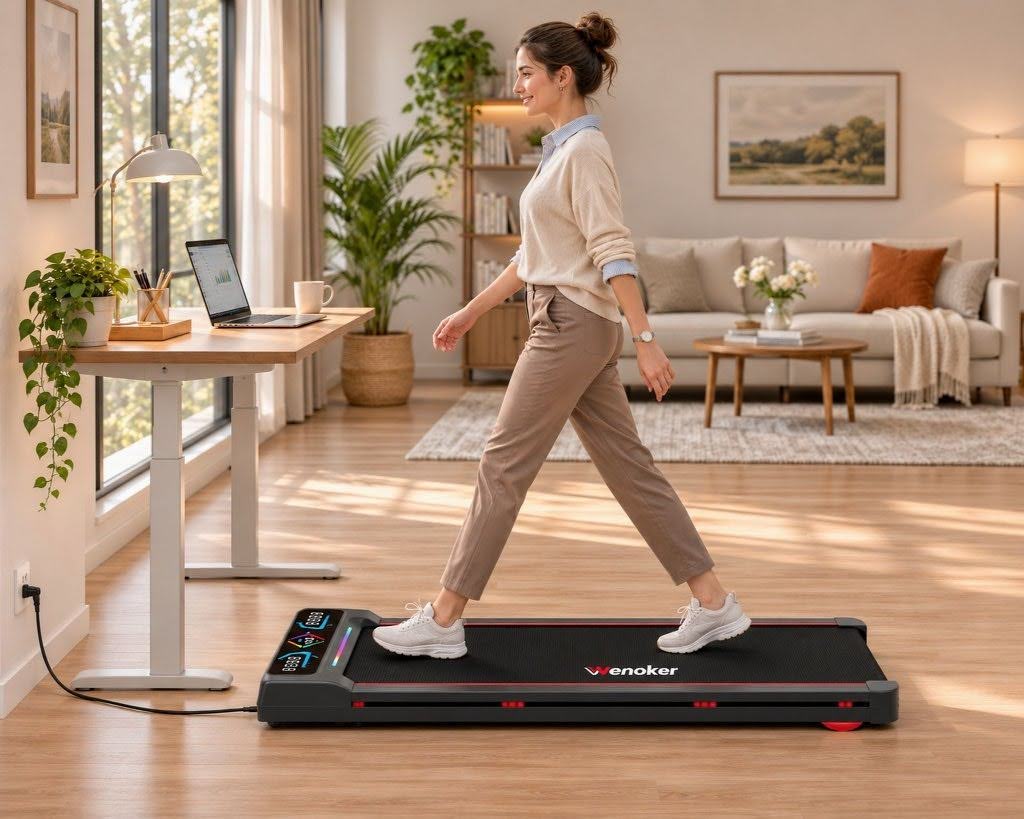
For light daily movement, the Wenoker T10 serves as a practical walking option suited to remote-work breaks and short, low-barrier sessions. Using a walking pad for home office routines lets you add steady steps between tasks without changing into a full training outfit.
It works well for residents who prefer frequent, gentle activity spread across the day.
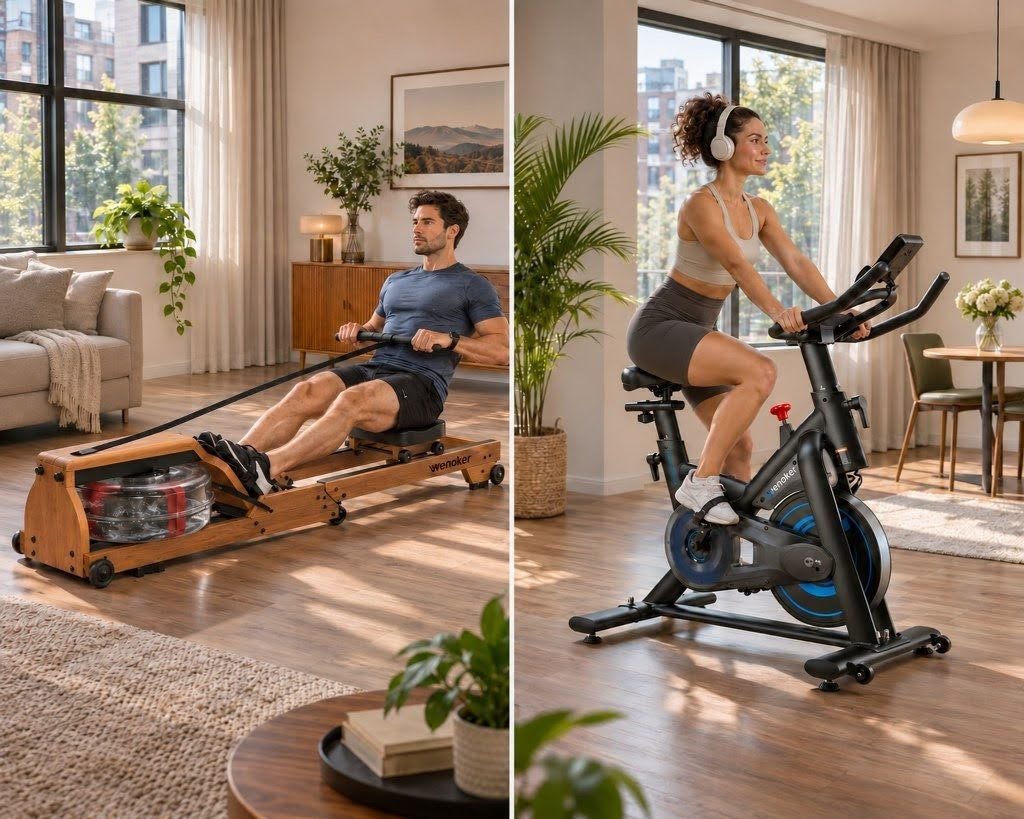
If you prefer a dedicated, structured workout block, the Wenoker RW10 offers a compact rowing machine format built around a full-body movement pattern. Rowing engages both the upper and lower body in a rhythmic, immersive session that feels distinct from passive desk movement.
It suits apartment residents who enjoy setting aside focused time for planned cardio.
Meanwhile, the Wenoker S20 provides a seated cycling option for those who want a steady, repeatable indoor-cardio routine. An indoor exercise bike for apartments appeals to people who like hopping on for a straightforward ride while listening to music, podcasts, or watching a show.
Seated cycling keeps your workout anchored in one familiar spot with minimal mental prep.
Each format supports a different rhythm rather than competing for one universal crown. To see how these three formats fit different households, explore Wenoker compact home fitness solutions alongside your own daily schedule.
A Small-Space Equipment Checklist
Turning space-saving workout ideas into a lasting habit starts with a practical room audit. Run through these six checks before deciding on any piece of equipment:
- Available floor area: Confirm you have comfortable clearance around the machine during active use.
- Storage route: Check hallways and corners between your workout spot and resting area.
- Outlet access: Locate nearby power outlets where relevant and keep cords out of walkways.
- Flooring type: Account for hardwood, tile, or carpet surfaces in your room.
- Household schedules: Match your routine to quiet hours and shared living-room traffic.
- Personal preference: Pick a movement style you are willing to repeat weekly.
Before purchasing, always review the official product page for model-specific limits, exact dimensions, and operating instructions. Verifying those details upfront prevents surprises once the box arrives.
Conclusion: Build Around the Space You Actually Have
A realistic apartment workout setup starts with the room you have today, not an imaginary home gym. Compact fitness technology works best when it fits your floor plan, respects shared walls, and matches a weekly routine you can actually maintain.
Take a few minutes to measure your space, decide whether walking, rowing, or cycling feels most repeatable, and build from there. Once you know which movement style fits your home, review Wenoker’s available home-fitness options to find a practical match.







Comment