The way people manage money has changed dramatically in recent years. Physical cash and plastic cards are no longer the only options for everyday transactions. With smartphones becoming an essential part of daily life, modern payment solutions are transforming how individuals and businesses send, receive, and store funds. These tools are not just about convenience—they are shaping a faster, safer, and more connected financial ecosystem.
What’s Driving the Shift Toward Mobile Payments
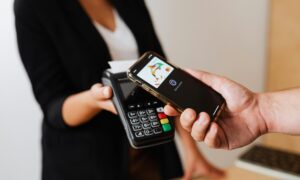
One of the biggest reasons behind the growth of cashless payments is speed. Consumers want quick checkouts, seamless online purchases, and instant transfers. Traditional banking methods often involve delays, paperwork, or in-person visits, which no longer fit today’s fast-paced lifestyle. Mobile-based payment systems eliminate many of these barriers by allowing users to complete transactions within seconds.
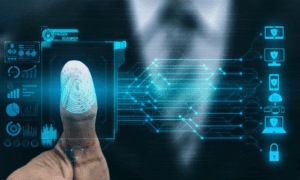
Security is another major factor. Advanced encryption, biometric authentication, and real-time monitoring help protect sensitive financial data. Compared to carrying cash or sharing card details online, mobile payment platforms offer additional layers of safety that reduce the risk of theft and fraud.
How Businesses Benefit From Modern Payment Solutions
For businesses, adopting new payment technologies is no longer optional—it’s a competitive advantage. Customers are more likely to complete a purchase when multiple payment options are available. Small businesses, freelancers, and large enterprises alike benefit from faster settlements and improved cash flow.
Additionally, digital payment systems help streamline accounting and reporting. Automated transaction records reduce manual errors and make it easier to track income, manage expenses, and prepare financial reports. This efficiency allows business owners to focus more on growth and customer experience instead of administrative tasks.
Convenience That Fits Everyday Life
Modern payment tools are designed to fit seamlessly into daily routines. Whether ordering food, booking travel, paying utility bills, or sending money to friends, users can manage everything from a single interface. This level of accessibility is especially valuable for people who prefer contactless solutions or live in areas with limited access to physical banking infrastructure.
A Digital Wallet also supports multiple funding sources, such as bank accounts, debit cards, and credit cards, offering flexibility in how payments are made. This adaptability makes it easier for users to control spending and choose the most suitable payment method for each transaction.
The Role of Technology in Financial Inclusion
Another important impact of mobile payment systems is financial inclusion. Millions of people around the world remain unbanked or underbanked. Mobile-based financial tools provide access to essential services without the need for traditional bank branches. With just a smartphone and an internet connection, users can participate in the digital economy, receive payments, and manage funds more effectively.
This shift empowers individuals and small businesses, especially in developing regions, by giving them access to tools that support economic growth and financial independence.
What the Future Holds for Cashless Payments
As technology continues to evolve, payment systems will become even more integrated into everyday life. Features like artificial intelligence, blockchain, and real-time analytics are expected to enhance security, personalization, and efficiency. A Digital Wallet will likely go beyond payments, offering identity verification, loyalty programs, and financial planning tools within a single platform.
Final Thoughts
The move toward cashless transactions reflects a broader transformation in how people interact with money. Speed, security, and accessibility are now essential expectations rather than added benefits. As consumers and businesses continue to embrace modern payment solutions, the financial landscape will become more connected, inclusive, and efficient—reshaping the way value is exchanged in the digital age.